How Trump’s Executive Order and the SAVE Act Threaten to Silence Millions of American Voters—and Reshape Democracy as We Know It
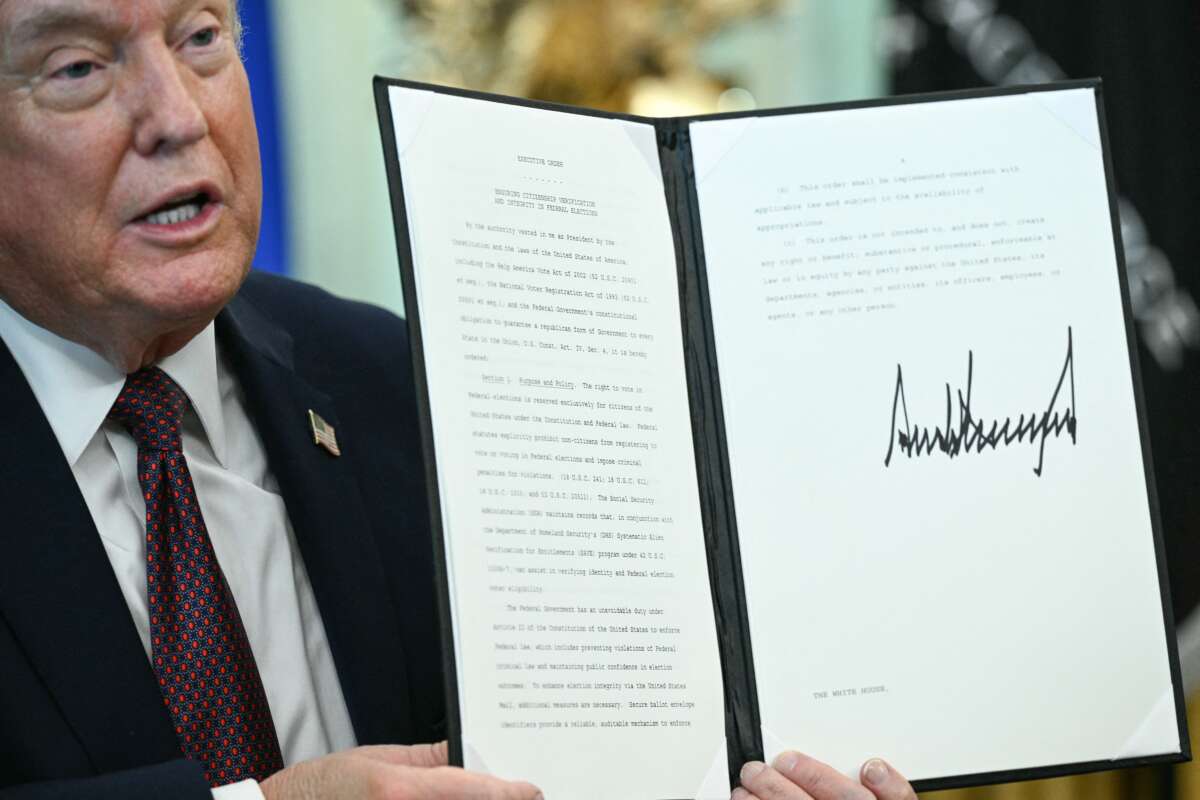
The United States stands at a crossroads, teetering on the edge of a democratic abyss. President Trump’s latest executive order, signed today (03/25/25), coupled with the dystopian SAVE Act, represents a chilling assault on the very foundation of our democracy: the right to vote. These measures, cloaked in the rhetoric of “election integrity,” are nothing short of a calculated effort to disenfranchise millions of Americans and reshape the electorate to serve a narrow agenda.
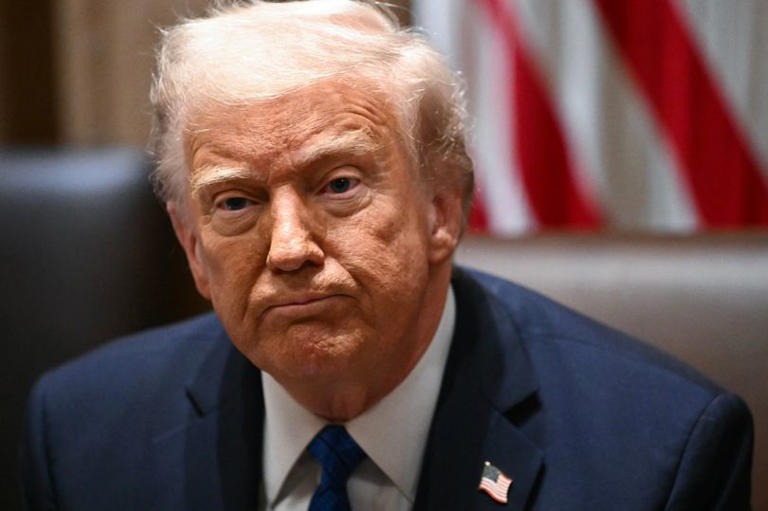
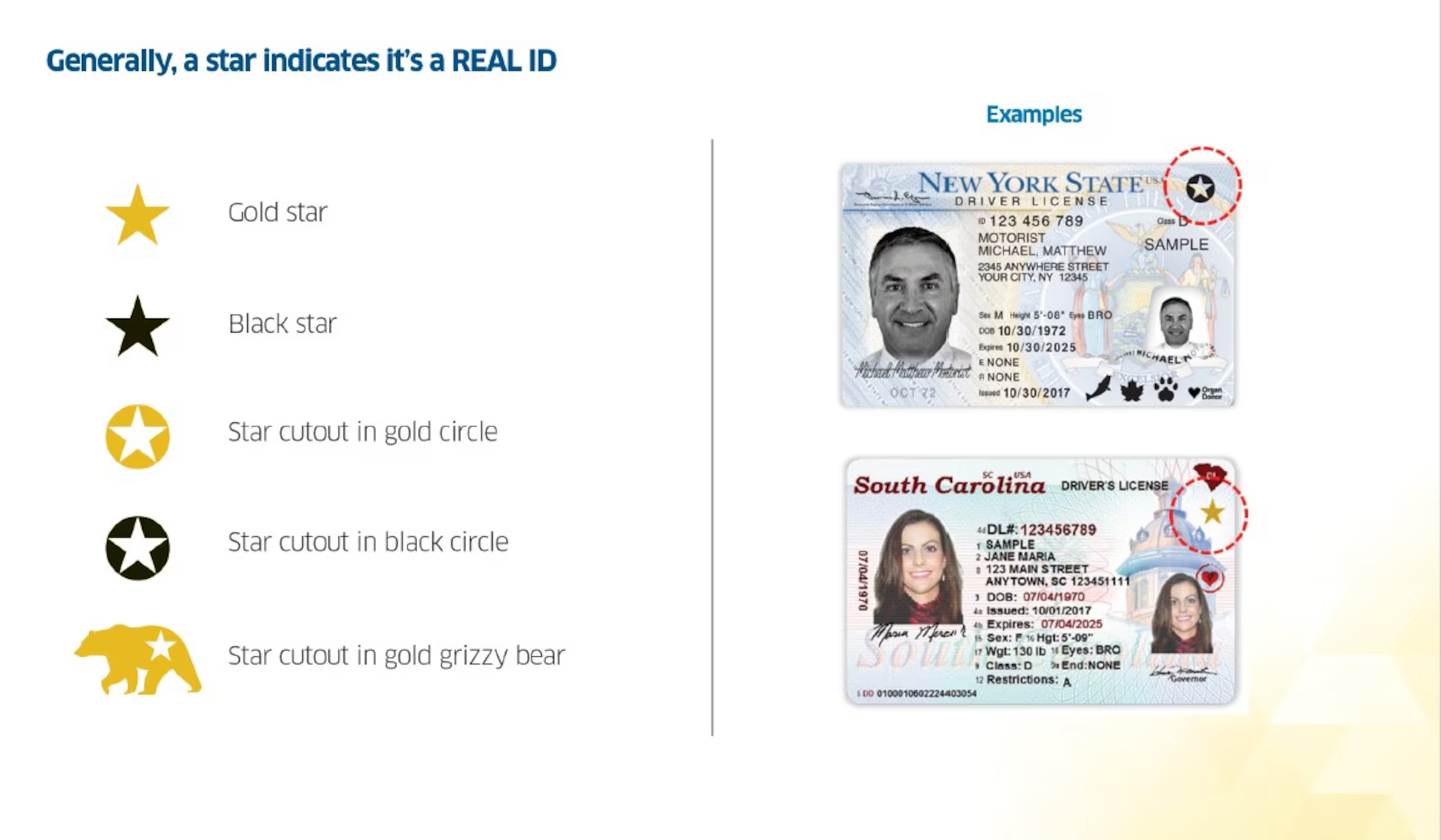
The executive order’s demand for proof of citizenship—REAL ID or passports—for voter registration is a direct attack on accessibility. It ignores the reality that 21 million voting-age Americans lack valid identification, disproportionately affecting marginalized communities. This is not about safeguarding elections; it’s about erecting barriers to the ballot box. The SAVE Act compounds this injustice by eliminating online and mail-in voter registration, forcing in-person registration that will disproportionately impact rural and low-income voters.
These policies are not just restrictive; they are regressive. They harken back to an era when voting was a privilege reserved for the few, not a right guaranteed to all. The rhetoric surrounding these measures—framing them as necessary for election integrity—belies their true intent: to suppress voter turnout and consolidate power. This is not democracy; this is disenfranchisement masquerading as reform.
This is not the first time we’ve seen such brazen attempts to undermine democratic participation. Trump’s 2020 memo to exclude non-citizens from census population counts was a harbinger of the dystopian policies we see today. By attempting to manipulate the very mechanisms that define representation, these actions strike at the heart of the Constitution’s promise of equal representation for all.
The executive order and the SAVE Act are not just policies—they are a philosophy, a worldview that seeks to narrow the electorate and consolidate power in the hands of a select few. They represent a dangerous departure from the ideals of a government “of the people, by the people, for the people.” Instead, they pave the way for a government of exclusion, where access to the ballot box is a privilege, not a right.
The implications are staggering. If these measures are allowed to stand, they could set a precedent for further erosion of voting rights. What’s next? Will we see the repeal of the 19th Amendment, stripping women of their hard-won right to vote? Will we return to the days of poll taxes and literacy tests, cloaked in the guise of “election integrity”? The slippery slope is all too real, and the stakes could not be higher.
The timing of these measures is no coincidence. With the 2024 elections still fresh in the nation’s memory, the executive order and the SAVE Act appear to be solutions in search of a problem. After all, the Cybersecurity and Infrastructure Security Agency (CISA) declared the 2024 elections to be among the most secure in U.S. history. There was no evidence of widespread fraud or malicious interference—so why the sudden push for such sweeping changes?
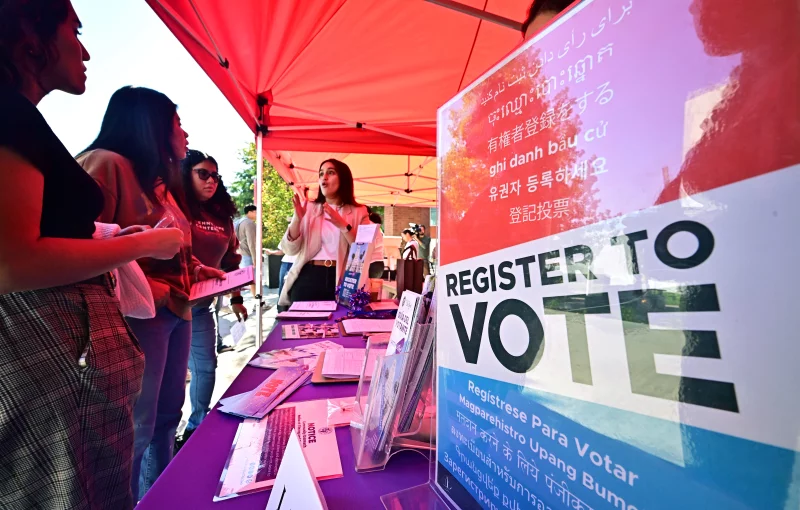
The answer lies not in the integrity of the elections but in the integrity of the motives behind these policies. By creating barriers to voting, these measures disproportionately impact marginalized communities—low-income individuals, people of color, the elderly, and those with disabilities. These are the very groups whose voices are often underrepresented in the political process. Instead of addressing real issues like voter turnout or election accessibility, these policies weaponize the myth of voter fraud to justify exclusionary practices.
This is not just a policy debate; it’s a battle for the soul of our democracy. The right to vote is not a privilege to be earned but a fundamental right guaranteed to every eligible citizen. These measures threaten to erode that right, turning back the clock on decades of progress in voting rights.
The irony of these measures is glaring. While proponents claim they are safeguarding democracy, they are, in fact, undermining its very essence. The right to vote is the cornerstone of a functioning democracy, and any attempt to restrict that right is an affront to the Constitution and the principles it enshrines. The executive order and the SAVE Act are not about protecting elections—they are about protecting power.
Instead of erecting barriers, we should be tearing them down. The John Lewis Voting Rights Act, for example, offers a blueprint for expanding voter access and ensuring that every eligible American can participate in the democratic process. Named after a civil rights icon who dedicated his life to the fight for equality, this legislation seeks to restore and strengthen the Voting Rights Act of 1965, which has been systematically weakened in recent years. It is a testament to the enduring struggle for justice and a reminder of what is at stake.
The contrast could not be starker. On one hand, we have policies that seek to exclude and disenfranchise; on the other, we have legislation that aims to include and empower. The choice before us is not just about policy—it is about the kind of nation we want to be.
The potential fallout from these measures extends far beyond the immediate impact on voter registration and access. With the 2026 midterm elections looming, the stakes are higher than ever. Many Republican-held districts are already grappling with dissatisfaction over GOP policies, even among voters who supported them in the past. These measures could exacerbate that discontent, alienating voters who feel their voices are being silenced.
The 2026 elections will be a critical test for the Republican Party, with numerous seats up for grabs in districts where public sentiment is shifting. By erecting barriers to voting, these policies risk further eroding trust in the democratic process and fueling voter frustration. Instead of addressing the root causes of this dissatisfaction, these measures seem designed to entrench power at the expense of accountability.
This is not just a political gamble—it’s a constitutional crisis in the making. The right to vote is the bedrock of our democracy, and any attempt to undermine that right threatens the very legitimacy of our electoral system. The consequences could be far-reaching, not just for the Republican Party but for the nation as a whole.
The path forward is clear, but it requires courage and conviction. We must reject policies that seek to divide and disenfranchise and instead champion reforms that expand access to the ballot box. Passing the John Lewis Voting Rights Act is not just a legislative priority—it is a moral imperative. This landmark bill would restore critical protections against voter suppression, ensuring that every eligible American has the opportunity to participate in our democracy.
The timing of these measures is as transparent as it is troubling. The Trump Administration is acutely aware of the growing dissatisfaction with its policies, even in districts that voted Republican in 2024. Instead of addressing this discontent through meaningful reforms, they are doubling down on exclusionary tactics to reshape the electorate in their favor. This is not governance—it’s a desperate attempt to cling to power by silencing dissent. The 2026 elections will serve as a litmus test for the health of our democracy, and the outcome could reshape the political landscape for years to come. But this will only happen if we protect the integrity of the electoral process and ensure that every voice is heard.
The executive order and the SAVE Act are not just policies—they are a test of our national character. Will we stand by as barriers to voting are erected, or will we rise to defend the principles that define us as a democracy? The answer lies in our collective action. We must demand accountability from our leaders, support legislation like the John Lewis Voting Rights Act, and ensure that every eligible American has the opportunity to make their voice heard.
History will judge us by how we respond to this moment. Let it be said that we stood on the side of justice, equality, and the enduring promise of democracy. Let it be said that we fought for the right of every American to have a voice in shaping the future of our nation. Let it be said that we did not falter in the face of adversity, but rose to meet the challenge with courage and conviction.
For more information on how to become REAL ID compliant, check with your local state driver’s license agency. To download and print informational materials, visit tsa.gov/real-id.