Trump’s new executive order hands DHS and the Postal Service control over your ballot. It’s unconstitutional, unenforceable before November, and already in court. But the confusion is the weapon.
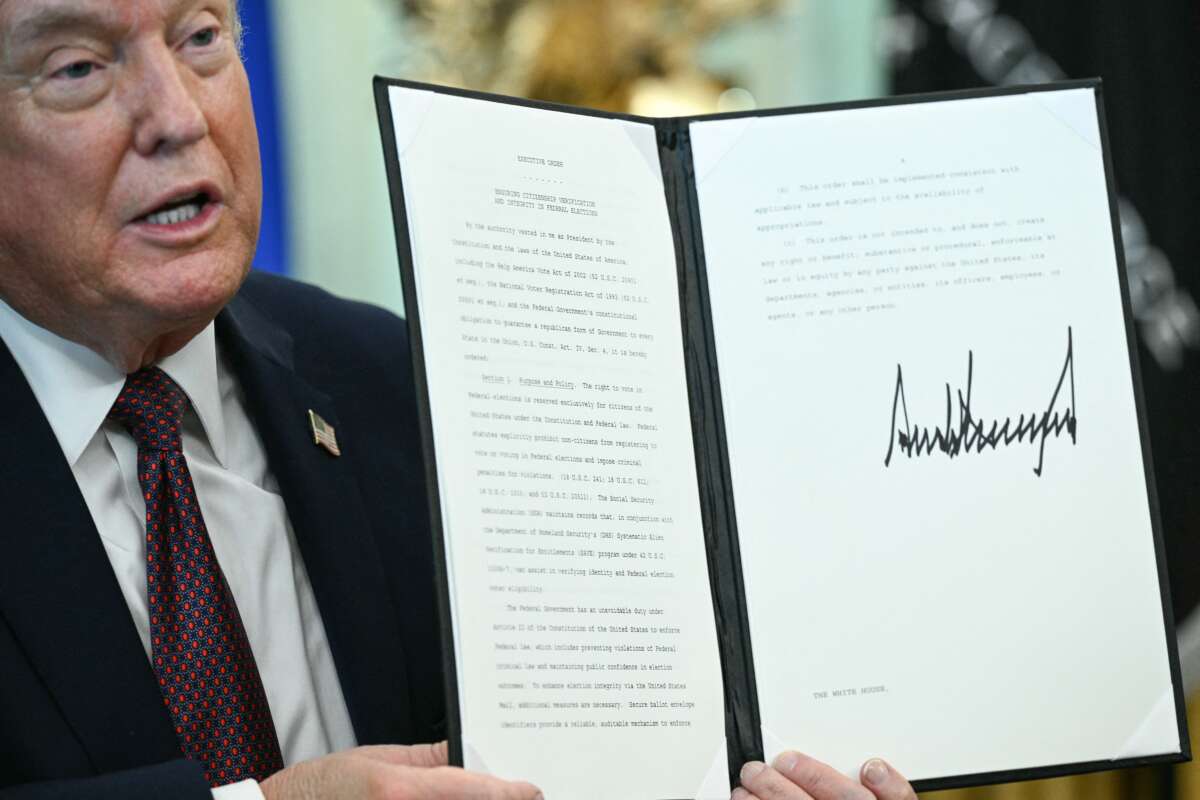
Yesterday, March 31, 2026, Trump signed his second executive order on elections. The first one, signed a year ago, was blocked by federal courts after judges ruled the president lacks the constitutional authority to set voting policy. So he signed another one. Because apparently, to Trump, “no” just means “try again louder and be more obnoxious about it.”
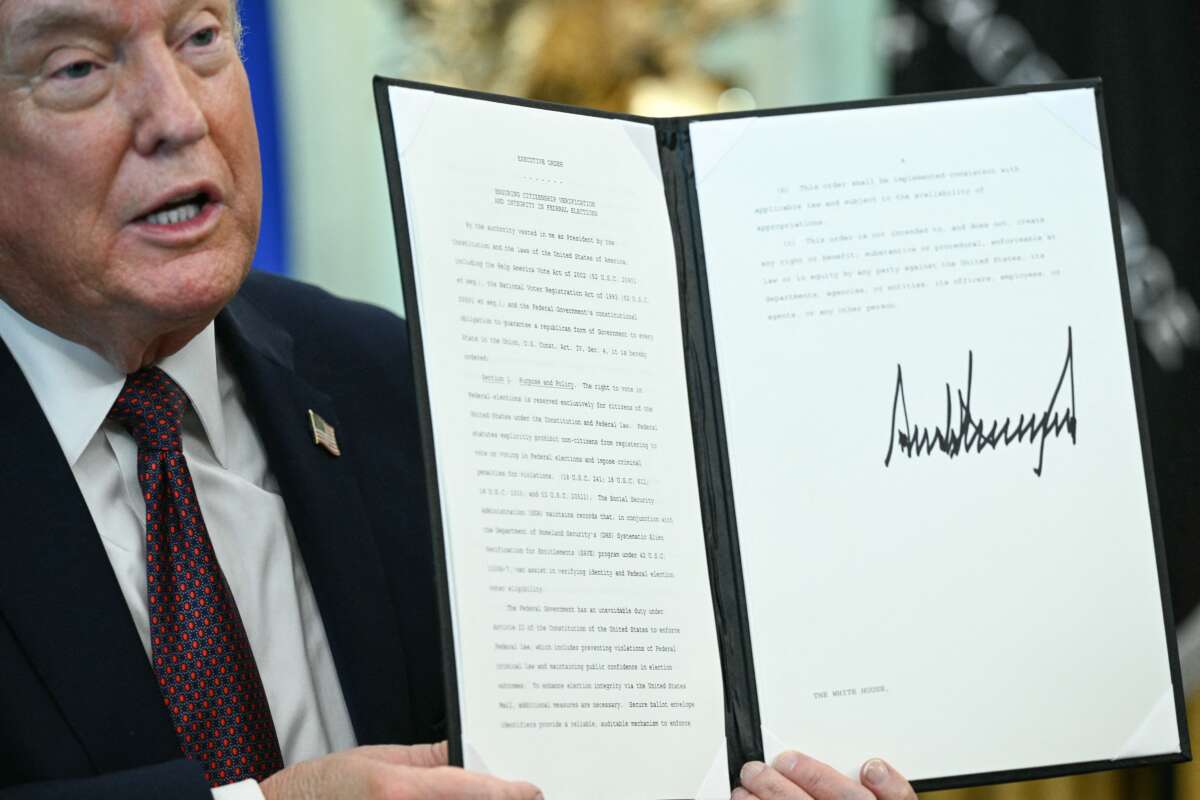
Trump told reporters the order is “foolproof.” Then he immediately acknowledged it would face legal challenges, calling the judges who would rule on it “rogue judges” and “very bad, bad people.” He’s pre-building the narrative: if the order gets blocked (it will), it’s not because it’s unconstitutional (it is). It’s because of corrupt judges. This man operates like a broken slot machine that blames the casino.
Let me walk you through exactly what this order does, why it’s illegal, who’s already suing, and what it means for your vote.
What the Order Actually Does
The executive order, titled “Ensuring Citizenship Verification and Integrity in Federal Elections,” does several things, all of which are a naked attempt to federalize state-run elections. Here’s the breakdown.
It creates a national citizenship database. The order directs DHS, in coordination with the Social Security Administration, to compile a “State Citizenship List” of all confirmed U.S. citizens in each state who will be 18 or older at the time of the next federal election. DHS has 90 days to build the infrastructure. The same DHS that’s currently running Trump’s mass deportation campaign now gets to build the list of who’s allowed to vote. Think about that for a second.
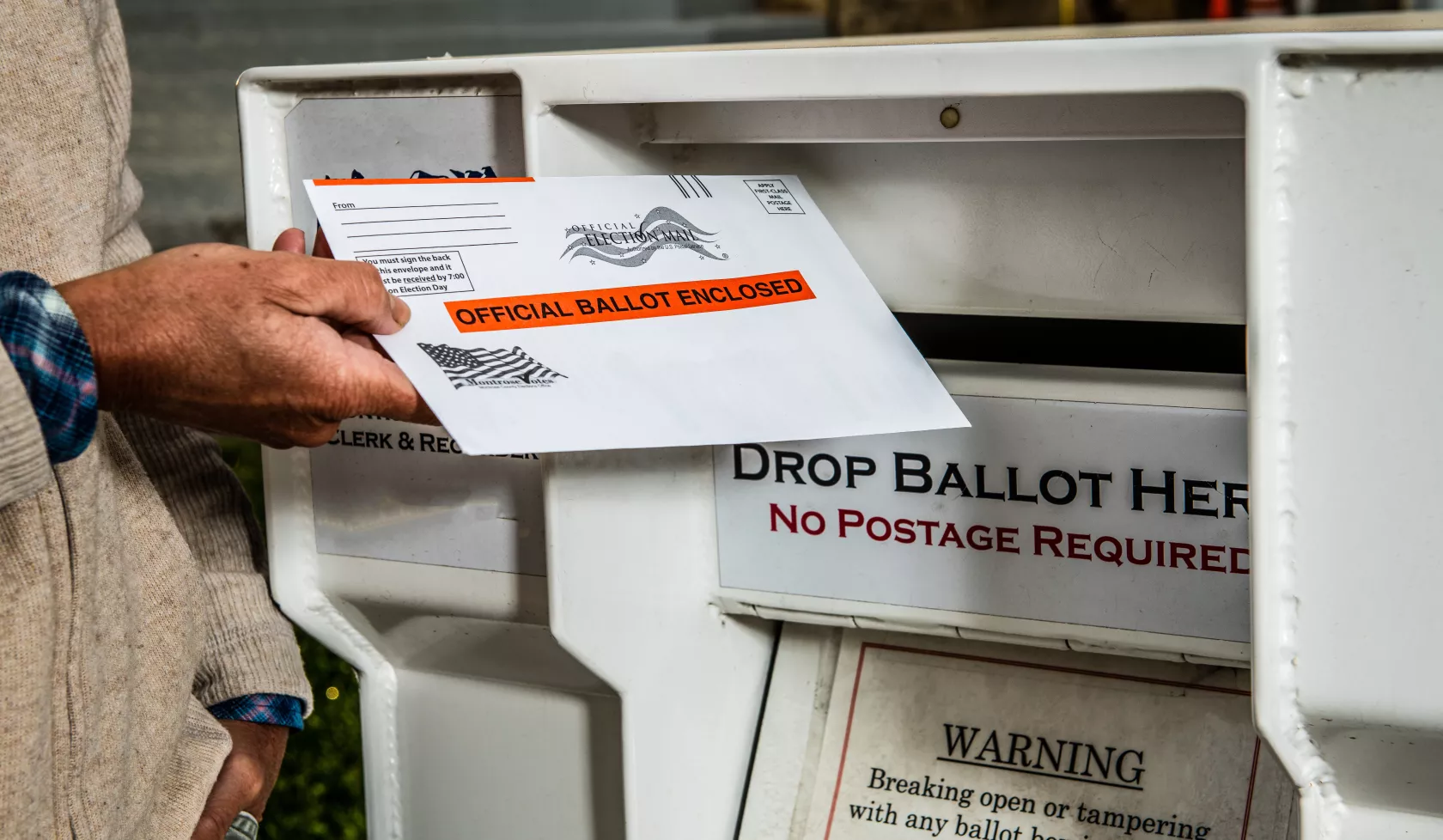
It gives the Postal Service control over who receives mail ballots. States would be required to provide USPS a list of voters they intend to send ballots to at least 60 days before an election. USPS would then only be authorized to deliver ballots to people on that approved list. Commerce Secretary Howard Lutnick explained it to CNN this way: states get a barcode from USPS, put it on the envelope, and USPS delivers one envelope per voter. Sounds simple. It’s not. It’s the federal government inserting itself as a gatekeeper between you and your ballot.
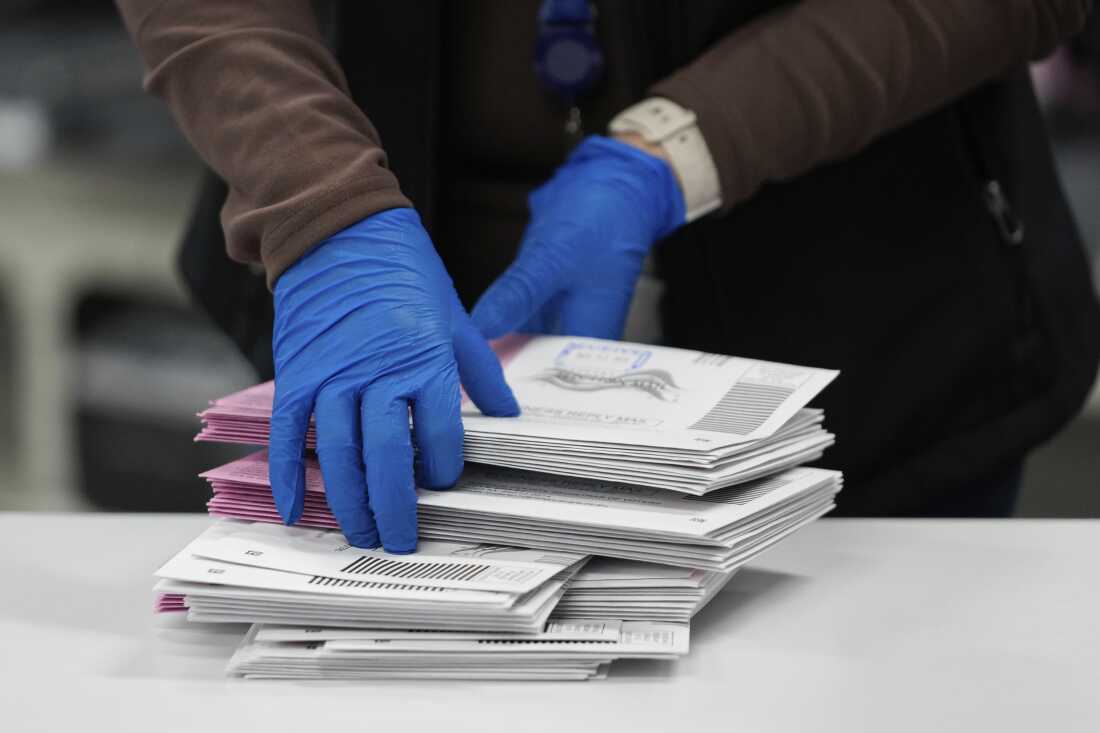
It threatens to prosecute election officials. The order directs AG Pam Bondi to prioritize investigating and prosecuting election officials who distribute ballots to “ineligible voters.” This is the same playbook as the SAVE Act: criminalize the people who run elections so they become too scared to do their jobs.
It threatens to withhold federal funds from noncompliant states. This is identical to a provision in the first executive order that was specifically blocked by courts. They’re literally resubmitting homework that already got an F.
It targets states that count ballots arriving after Election Day. Currently 18 states allow mail ballots postmarked by Election Day to be counted even if they arrive a few days later. The order aims to end that practice.
It directs the Election Assistance Commission to rewrite voter registration forms to include a proof of citizenship requirement. The EAC is an independent, bipartisan body. The president cannot direct it to do anything. That’s not how independent agencies work.
Why It’s Unconstitutional (Again)
Article I, Section 4 of the Constitution is clear: the times, places, and manner of holding federal elections are set by each state, with Congress (not the president) able to make changes. The president is not mentioned. The executive branch has no constitutional role in setting election rules. Period.
Federal District Court Judge Colleen Kollar-Kotelly already ruled on this when she blocked the first executive order. Her words: “Put simply, our Constitution does not allow the President to impose unilateral changes to federal election procedures.” That’s not ambiguous. That’s a judge telling the president he does not have this power.
Election law professor Rick Hasen at UCLA wrote on his blog that the order is “likely unconstitutional” and that “the timing here makes this virtually impossible to implement in time for November’s elections.” The Brennan Center for Justice called it “plainly unauthorized and unlawful.” The NAACP’s Derrick Johnson said it’s “unconstitutional” and “unserious.” The ACLU noted the Constitution is “very clear: only Congress and the states can make laws regarding our elections.”
And David Becker, executive director of the nonpartisan Center for Election Innovation and Research, summed it up best: “Some may freak out about this, but honestly, this is hilarious. He might as well sign an EO banning gravity.”
The Lawsuits Are Already Filed
It took less than 48 hours. The DSCC, DCCC, DNC, Democratic Governors Association, and Democratic congressional leaders sued on Wednesday, calling the order “an unconstitutional attempt to seize control of elections.” The complaint describes the creation of a national citizenship database as part of “a months-long campaign to amass a national citizenship registry.”
The 19-state coalition that sued over the first order is expected to file again. Voting rights organizations have filed additional suits. Election attorney Marc Elias of Democracy Docket posted: “See you in court. You will lose.” He described the order as “the targeting of Democrats for mass disenfranchisement.”
Three of the federal lawsuits have already been assigned to Judge Kollar-Kotelly, the same judge who blocked the first order. She has ordered them consolidated. If you’re keeping score at home, the same judge who already told Trump he can’t do this is now looking at him doing it again.
The States Are Not Having It
State officials responded immediately. Arizona Secretary of State Adrian Fontes, whose state votes 80% by mail, called the order “a disgusting overreach” and noted that mail-in voting was designed by Republicans and has kept the GOP in power in Arizona for years. Arizona AG Kris Mayes pledged to “use every legal tool available.”
California Governor Gavin Newsom: “See you in court.” Colorado Secretary of State Jena Griswold: “The Constitution is clear: states oversee elections, not Trump.” Maine Secretary of State Shenna Bellows called it “laughably unconstitutional” and said Maine “is not going to obey in advance.” Nevada Secretary of State Francisco Aguilar said Trump “has spent years attempting to manufacture a crisis around mail voting when there is none.” Senate Democratic Leader Chuck Schumer: “See you in court. You will lose.”
House Minority Leader Hakeem Jeffries pointed out what everyone was thinking: Trump himself just voted by mail in a Florida special election earlier in March. When asked about this, Trump said: “I’m president. I have a lot going on.” So mail voting is fine for him, but not for you. Got it.
The SAVE Act Failed, So He’s Doing It by Decree
This executive order was signed just days after the SAVE America Act stalled in the Senate. Democracy Docket’s lawsuit explicitly connects the two: “Just days after it became clear Congress would fail to pass the President’s SAVE America Act, he signed a new Executive Order.”
The order is a workaround. Congress wouldn’t give him what he wanted, so he’s trying to take it by executive fiat. The citizenship verification lists mirror the SAVE Act’s documentary proof requirement. The federal control over voter rolls mirrors the SAVE Act’s DHS data-sharing mandate. The restrictions on mail voting mirror Trump’s demand that the SAVE Act ban mail-in ballots. Trump even said it out loud at the signing: “We’d like to have voter ID, we’d like to have proof of citizenship. And that’ll be another subject for another time. We’re working on that.”
He’s not even pretending anymore. When Congress says no, he just does it anyway and dares the courts to stop him.
The Chaos Is the Point
Here’s what the legal experts are saying in between the lines, and what you need to understand: Trump probably knows this order will be blocked. He knew the first one would be blocked too. He did it anyway. Because the order itself isn’t the weapon. The confusion is.
Voters who hear about this order may believe they can’t vote by mail, even after it’s blocked. Election officials who hear about prosecution threats may restrict ballot access out of fear, even without the order being enforced. And when the order gets struck down, Trump gets to tell his base that corrupt judges are rigging the system against them. That’s the play. It’s election-denialism theater. The EO is the prop.
Even if courts don’t intervene (they will), the implementation barriers are insurmountable before November. DHS needs 90 days to build the citizenship list infrastructure, putting it at late June at the earliest. States would need to provide USPS voter lists 60 days before elections, meaning early September. USPS would need to implement barcode systems, new envelope requirements, and list-matching infrastructure. None of this has funding. No rulemaking has begun. For states with universal mail voting (Colorado, Oregon, Washington, Utah, Hawaii, Nevada, Vermont, and DC), it would require a complete restructuring of their election systems. In months. With no money. From a Postal Service whose own letter carriers’ union says is already under significant financial strain and “is not an election enforcement agency.”
Meanwhile, the DOJ Is Suing States for Their Voter Rolls
Separately from this executive order, Trump’s Department of Justice has been demanding voter rolls from states across the country and has sued Washington, D.C., and 29 states after officials refused to hand them over. The DOJ claims it needs the data to enforce voter list maintenance.
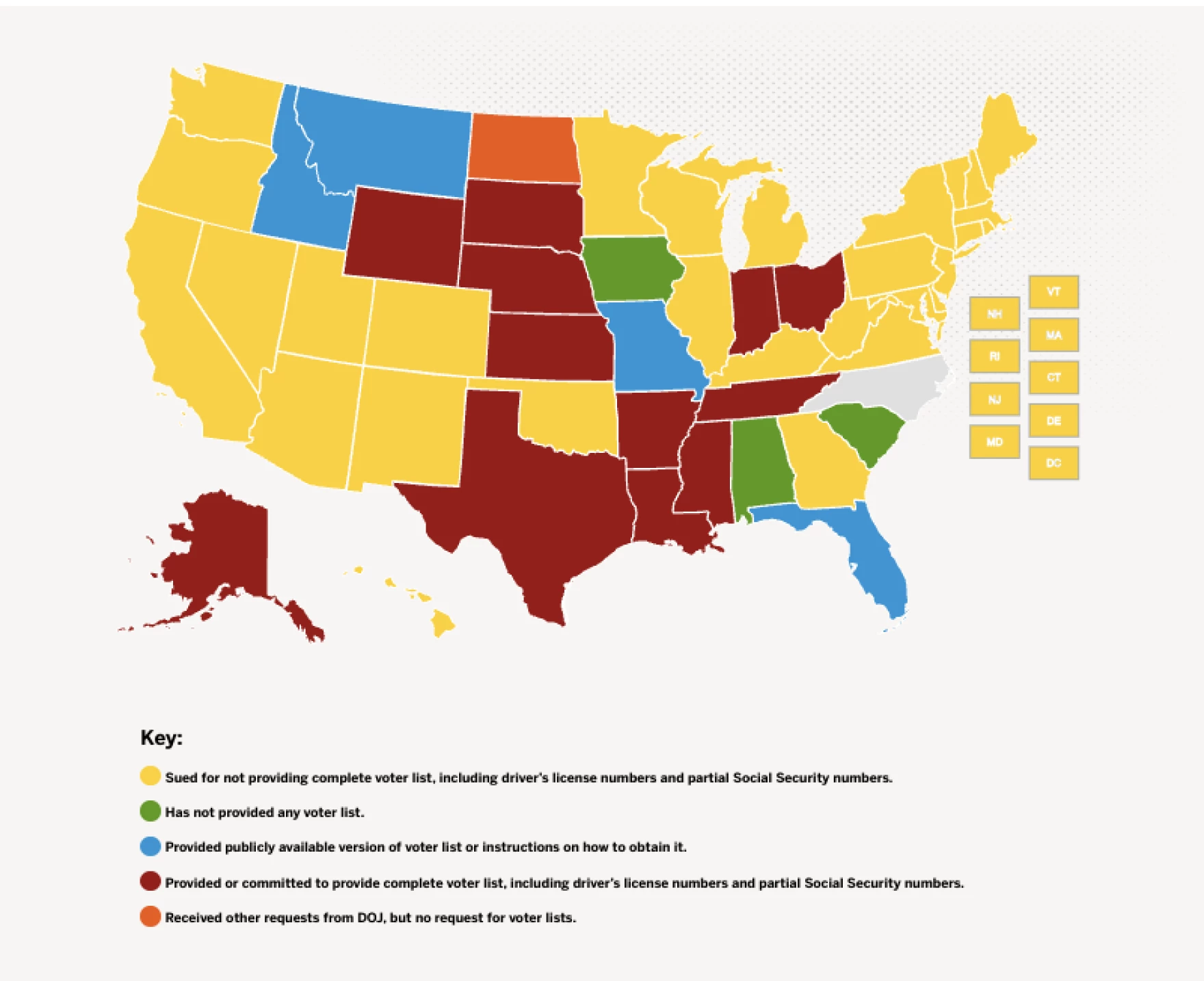
Federal judges in three states have already dismissed those lawsuits. And in one case, NPR reported that a DOJ official admitted in court that the department plans to share voter data with DHS to run it through the SAVE system to search for noncitizens. Some U.S. citizens have already been inaccurately flagged by that system. So the government is demanding your voter data, feeding it into a system known to produce false positives, and using the results to build the citizenship lists that will determine whether you get a ballot. What could possibly go wrong?
What This Means for You Right Now
Nothing changes immediately. The order requires rulemaking, infrastructure buildout, and state cooperation, none of which has begun. Lawsuits are already filed. Your state’s election laws still apply. If your state allows mail-in voting, it still does. Do not let this discourage you from voting by mail. That is the goal of the order. Don’t let it work.
Check your voter registration now. Make sure it’s current. Know your state’s mail voting rules. They haven’t changed.
Stay informed. Follow the lawsuits at Democracy Docket. They’re tracking every case in real time. (They are really great, I highly recommend you subscribe.)
And vote. That’s the whole point of all of this. Every executive order, every SAVE Act, every DOJ lawsuit for voter rolls, every prosecution threat against election workers. They don’t want you to vote. Every ballot you cast is a middle finger to the people trying to stop you.
Trump can sign all the executive orders he wants. He can call judges “bad people.” He can threaten to withhold funding. He can turn DHS into a voter verification agency and the Postal Service into a ballot gatekeeper. But the Constitution says what it says. The states run elections. The courts have already said so. And the American people aren’t going to stop voting by mail because a man who just voted by mail told them they can’t.

Josh Schooley is an independent political journalist & opinion writer, LGBTQ+ activist, and founder of The Pulse Network. With nearly 20 years of political commentary and a background in business and accounting, he delivers fact-based analysis with a no-nonsense edge. He lives in Ohio with his family and writes on Threads and Substack.