Across Ohio, parents, seniors, and disabled residents describe the toll of stalled benefits, while other states moved faster to restore aid.
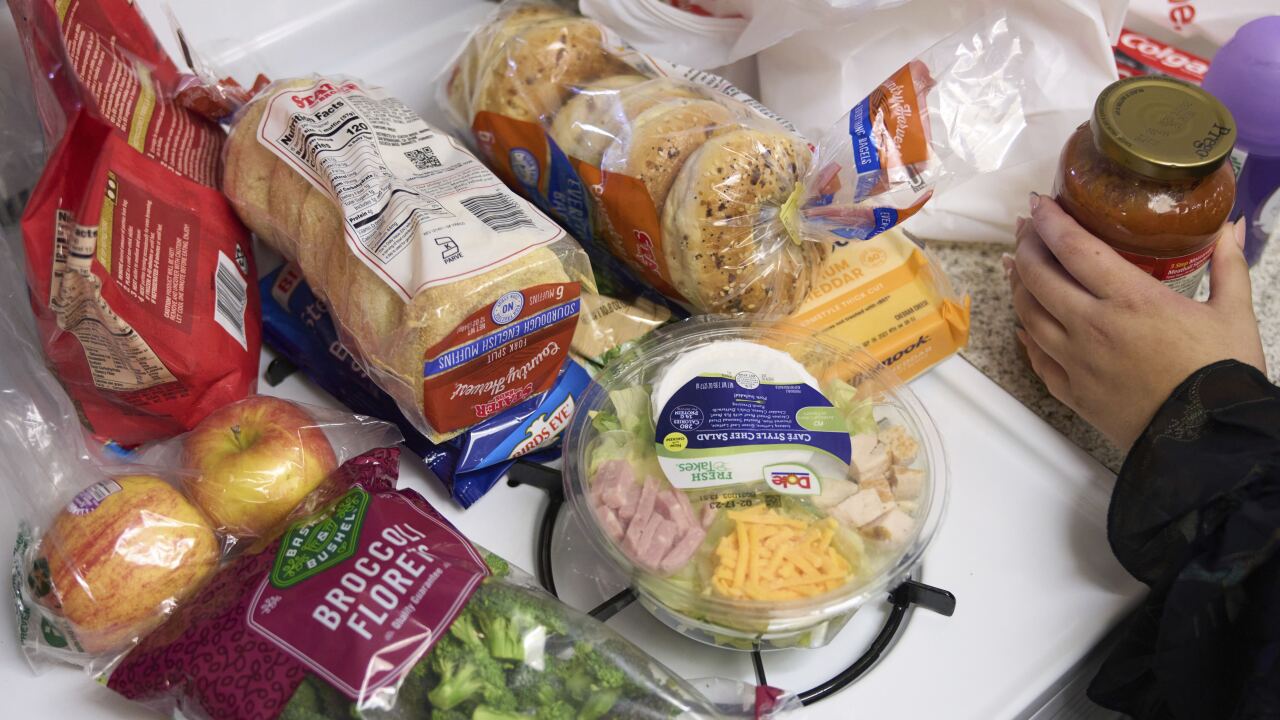
In Lima, Charmei stood in her kitchen and told her children they couldn’t have fruit. Not because they were misbehaving. Not because she was saving it for dinner. But because there wasn’t any. “Just me and my girls against the world,” she said. “I’m doing everything I can, but it’s not enough.”
Across Ohio, families like Charmei’s are rationing food, skipping meals, and bracing for medical emergencies—all while waiting for SNAP benefits that never came. The federal government shutdown that began October 1, 2025 triggered a cascade of delays, and Ohio’s response has been slow, uneven, and selective. While some states issued full benefits, Ohio staggered partial payments and offered emergency aid to only a fraction of recipients. The result: hunger, fear, and a growing sense of abandonment.
Delays, Denials, and Disbelief
As the shutdown dragged into November, critical programs like SNAP (Supplemental Nutrition Assistance Program) were thrown into chaos.
Ohio initially prepared to issue full benefits for November, but a Supreme Court ruling on November 8 paused a lower court’s order that would have released federal funds. That left the Ohio Department of Job and Family Services (ODJFS) scrambling. Instead of full payments, the agency began staggering partial benefits, with many households receiving less than two-thirds of their usual allotment—or nothing at all.
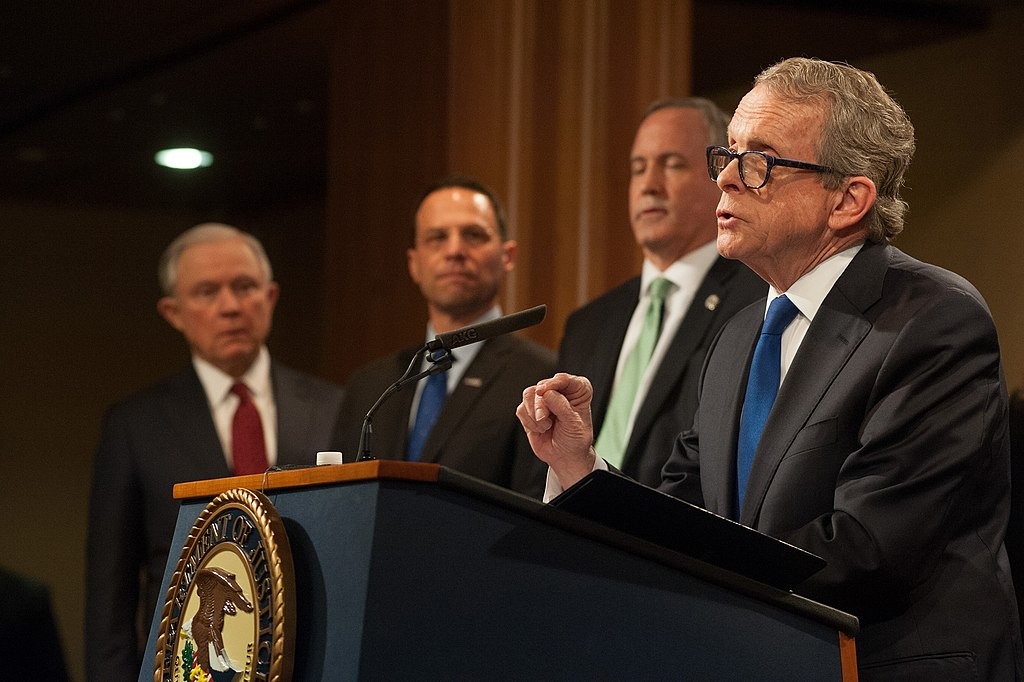
Governor Mike DeWine announced a $25 million emergency relief plan, directing $7 million to regional food banks and $18 million to families in the Ohio Works First program. But the aid has been uneven. Only a fraction of Ohio’s 1.4 million SNAP recipients qualify for the emergency payments, and many report they haven’t seen a dime.
Food banks, meanwhile, are overwhelmed. And for many, they’re inaccessible. Documentation requirements, limited hours, and transportation barriers have turned them into a maze rather than a lifeline. Holly W., a Columbus resident living on disability, explained the impossible calculus: “The closest food bank is a mile. I don’t have a car, and I’m definitely not going to Uber to a food bank. I’d rather spend that money on apples. Hopefully SNAP is loaded Friday.”
For families across Ohio, the message is clear: relief exists on paper, but hunger is what they live with day to day.
Real Voices: Hunger Isn’t Hypothetical
To understand for myself the human cost of Ohio’s SNAP delays, I reached out on Threads and spoke directly with Ohioans who are struggling. Their words reveal the quiet emergencies unfolding in kitchens, shelters, and neighborhoods across the state.
Sarah S. – Akron
Sarah is a single mother of two daughters, including a newborn. “It’s actually crazy how something like this can just be taken away—not all of us abuse resources that are given to us,” she said.She chose school over a 9‑to‑5 job she didn’t want, hoping to break the cycle she was born into. “It’s just my two girls and I… I’m digging myself out of this life or at least trying my hardest. To do better than my parents ever did for their children.”
But the shutdown forced impossible trade‑offs. “I had to postpone my health appointments in order to have gas for my children’s health appointments… I had to take a portion of my gas money and use it for groceries. Leaving us without transportation. I’m also now short on my WiFi bill and I’m worried it’ll fall behind and affect my schooling.”
She stretches food by improvising: “I’ve compromised with kitchen essentials by making my own dough, bread, jams with fruit that is expiring. We have mismatched meals. And I will give my children the protein before I accommodate my needs.”
The hardest part, she said, is mental: “This is the most defeated I’ve felt as a mother. I wasn’t born into a stable life, I created it for myself and my babies. The higher ups don’t understand how this one ripple can affect my whole life. My children’s whole lives.”
Holly W. – Columbus
Holly is diabetic and vegetarian, living on disability. With only $10 left over on her card, as of this week, she has only rice and pasta left. “I’m almost out of fruit, vegetables, yogurt, and oatmeal,” she said.She thought about visiting a food bank, but the logistics are punishing. “It’s been cold this week. Friday or Saturday I might have to go if SNAP is still not loaded. The closest food bank is a mile. I don’t have a car, and I’m definitely not going to Uber to a food bank. I’d rather spend that money on apples.”
Her calculation is brutally simple: spend money on transportation, or spend it on food. Until SNAP loads, she waits—hungry, cold, and calculating every step.
Diana F. – Cleveland
After losing her home in a fire, Diana now lives in a shelter. The meals there, she says, resemble jail food—beef and pork multiple times a week, both of which make her sick. “Sometimes I just don’t eat all day,” she admitted. “I bought Ensure drinks to prepare for this, but they’re dwindling. Do I have to be hungry, or eat things that make me sick just for nourishment?”Because of her living situation, she can’t stock up or use food banks. “I can only shop for food I’m eating at that very moment,” she explained. SNAP delays strip her of choice and dignity, leaving her with impossible decisions.
Angelia H. – Canton
Angelia skipped paying her gas and electric bills to stretch what little she had left for food. “We ran out of milk and drinks,” she said. “Luckily we have a few packs of meat put up. Dinner we have—lunch and breakfast we don’t.”Her local food pantry could help, but the hours conflict with her job. She cannot afford to miss work, even for food. Survival, for Angelia, means sacrificing one necessity to cover another.
Dawn H. – Mentor
Dawn is diabetic and relies on insulin to survive. Her son depends on SSI. For her, the SNAP delays are not just inconvenient—they are life‑threatening. “If they end SNAP, Medicaid, or SSI, I will definitely die,” she said flatly.
When asked what she would tell those responsible for SNAP not being funded, she said, ”I would tell them to grow a spine and stop kissing the ring. They are holding benefits hostage, and for what? Promises they know won’t be kept? Our governor is a spineless jellyfish who sits on millions in Covid relief and refuses to use it to help his constituents.”She lives with the constant fear of collapse. “The hardest part is knowing the other shoe will drop—just not when.” Her words are not dramatic. They are matter‑of‑fact, the voice of someone who has already calculated the cost of being forgotten.
Charmei G. – Lima
”Just me and my girls against the world,” Charmei said. “I’m doing everything I can, but it’s not enough.”She explained that food pantries aren’t always the lifeline people imagine. “I have [used them] in the past but not right now as no way of getting there and back. But it has been a process—you have to have proof you need help, and if people have lost everything they wouldn’t have everything to get that help.”
Even when she does get pantry food, it’s often unusable. “Most of the time when I do get it the food is either past the best‑by date or doesn’t last more than two days,” she said. At St. Vincent de Paul, she was told to bring paystubs and IDs for everyone in her household. “If you don’t live close to one or you don’t have a car or a way to get there, it can be hard to get the help.”
The delays have already stolen family traditions. “We had to put Thanksgiving off because I can’t afford the stuff for it for a big family like mine.”
Karen F. – Columbus
Karen finally saw her benefits load—but it was only $15. “So there’s a lot I didn’t buy: hamburger, milk, lean cuisine,” she said.She explained that she’s been stretching what she has by relying on what she stocked up earlier. “I have done a good job of stocking up. Lots of canned chicken and soups and was able to get fill‑in items.”
Even with that preparation, the fear lingers. “It’s not so bad for me this month,” she admitted, “but if it continues, past that I will be in trouble. For families especially those out of work or pay, it’s got to be a living nightmare.”
She’s already had to delay paying bills in order to buy food. “The fear of not knowing how long this will last,” she said, “is the hardest part.”
Together, these voices dismantle the stereotype of “undeserving” recipients. They show the reality: both working and non-working Ohioans rationing food, skipping meals, and facing medical risks while waiting for benefits that never come.
While conservative talk shows, commentators, and even elected GOP members of Congress describe SNAP recipients as “lazy,” “overweight,” and “undeserving,” often poking fun and laughing at human suffering, the data could not be clearer to the contrary. SNAP is not a program for “lazy” people or so‑called “welfare queens”. The data shows it overwhelmingly serves vulnerable households.
According to the USDA’s Characteristics of SNAP Households: Fiscal Year 2023 report, four in five SNAP households include either a child, an elderly person, or someone with a disability. Children alone make up nearly 40% of all participants, while seniors account for about 20% and non‑elderly adults with disabilities about 10%. Far from being a handout for those unwilling to work, nearly one‑third of SNAP households have earned income, and among households with children, more than half report wages from employment. The program also overwhelmingly targets poverty: nearly three‑quarters of SNAP households live at or below the federal poverty line, and the vast majority of benefits go to the poorest families. The average benefit is modest—about six dollars per person per day—meant to supplement, not replace, household income. These real statistics and data make clear that SNAP is a lifeline for working families, seniors, and people with disabilities, not a subsidy for idleness.
The Human Cost and Uneven Response
The delays in Ohio reveal how fragile the safety net becomes when politics interrupts daily life. Families here have described skipped meals, postponed medical care, and holidays put on hold. These are not isolated hardships—they are the direct consequences of benefits arriving late or in partial amounts.
What makes the crisis sharper is the uneven response across the country. In some states, officials moved quickly to restore full benefits once federal funds were released, ensuring households could shop for food within days. In others, including Ohio, payments were slower, partial, or inconsistent. The difference meant that while families in Oregon or Hawaii regained stability almost immediately, Ohio households remained in limbo, rationing food and juggling bills.
SNAP is designed as a national program, but the shutdown exposed its fractured reality. Geography determined whether families had groceries or went hungry. The inconsistencies turned a federal safety net into a patchwork system which was strong in some places and frayed in others.
For Ohioans, the human cost is measured not only in hunger but in the erosion of trust. When benefits arrive late or unevenly, families learn that survival depends less on need than on which state they live in. That lesson, repeated across kitchens around Ohio and around the nation, is the quiet crisis at the heart of this shutdown.

Josh Schooley is a seasoned accountant and business management professional with over 25 years of experience, but his passion for truth and transparency extends far beyond numbers. A social media fixture for almost 20 years offering political analysis, commentary, & opinion and the founder of The Pulse Network, Josh has built a reputation for delivering fact-based political analysis, cutting through misinformation in an era of spin, and a loyal following of those that trust him every day to bring news, opinion, and explanations of what’s happening in the United States.
A proud husband, father, and grandfather, Josh uses his platform to advocate for LGBTQ+ rights, social justice, and progressive policies. His presence on Threads has become a hub for sharp political commentary, where he engages with thousands of followers, exposing hypocrisy and holding leaders accountable.
Josh’s work has resonated with readers who seek clarity, honesty, and a no-nonsense approach to politics. Whether he’s dissecting the latest policy shifts or calling out political corruption, his voice remains a powerful force in the fight for democracy and equality.