Kim Davis refused to issue marriage licenses. Now the Court may decide if families like mine deserve equal protection.
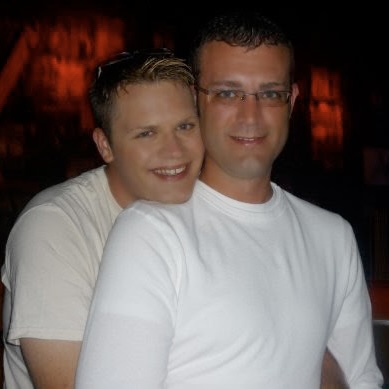
I typically don’t write highly personal Substack posts, but sometimes, things get personal. Todd and I have been together since 2008. Married since 2017. Seventeen years of partnership, eight years of legal recognition, and a lifetime of building something real. We have raised three kids: Chancelyr, Camryn, and Jadyn. We are now helping raise three grandkids: Gyda, Arlo, and Archie. That is not a theory. That is not politics. That is our life.
So when I hear that the Supreme Court is considering whether to hear Kim Davis’s case, the one where she refused to issue marriage licenses to same-sex couples, I do not hear “legal nuance.” I hear the possibility that my marriage, my family, my legacy could be treated like a bargaining chip. I hear the threat that the protections we fought for could be stripped away.
This is not about one clerk in Kentucky. It is about whether the highest court in the land will entertain the idea that our marriages are optional. That our families are negotiable. That our rights are second-class.
Todd and I did not get married to make a point. We got married because we love each other. Because we built a life together. Because we wanted the same legal protections that every other family gets. And we have held up our end of the deal.
The average straight marriage in the United States lasts 8.2 years. Ours has lasted 17.
Same-sex couples have a lower annual divorce rate (1.1 percent) than straight couples (2 percent).
Over five years, 16 percent of same-sex marriages end in divorce, compared to 23 percent of straight marriages.
We are not your exception. We are your evidence.
Our kids are not hypothetical. They are grown. They are thriving. They are living proof that same-sex couples do not just raise children. We raise amazing adults. We raise citizens. We raise families that endure with a legacy. And now our grandkids are growing up in a household where love is not conditional, where commitment is not fragile, and where resilience is modeled every single day.
Picture us. Not as a headline. Not as a statistic. Picture Todd and me at the dinner table, laughing with our grandkids. Picture us at graduations, at birthdays, at hospital rooms, at late-night talks when one of our kids needed guidance. Picture the ordinary moments, the ones that make a marriage real. Really SEE us. That is what is at stake when courts even consider the idea that our love is up for debate.
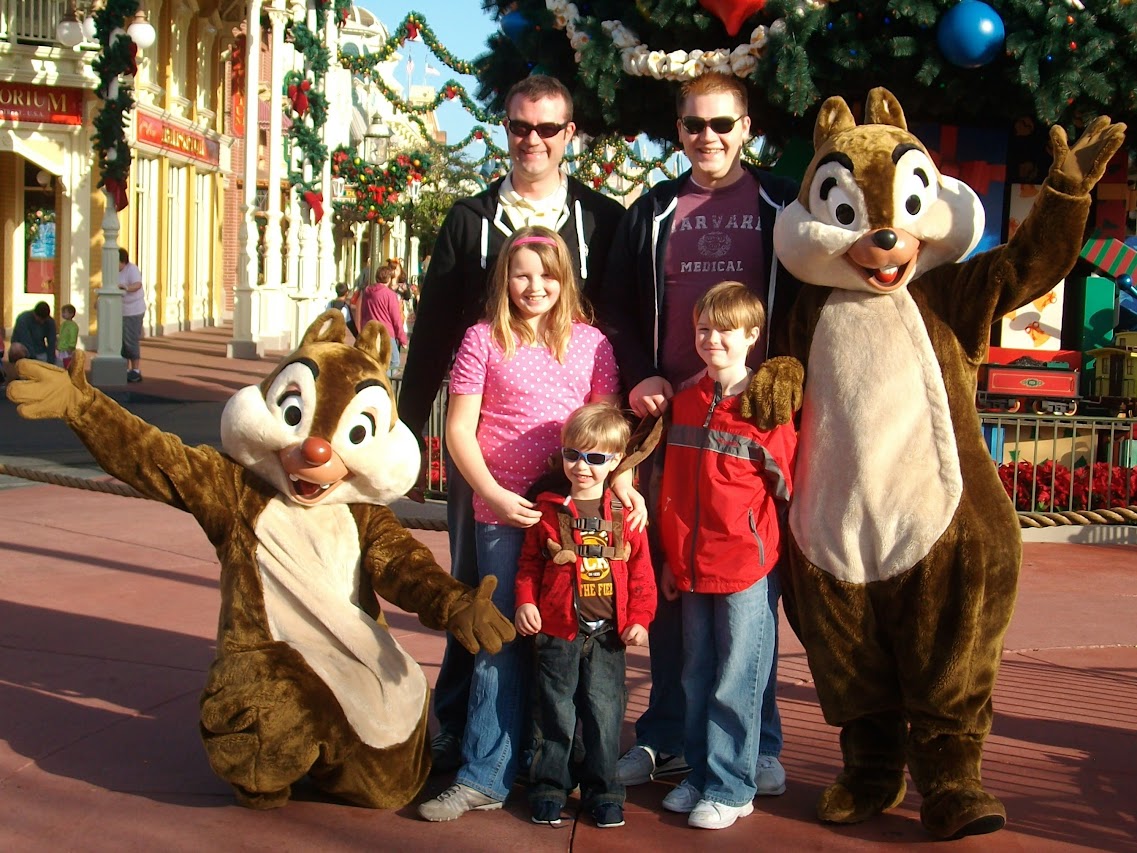
We are the proof that queer families are not fragile. They are forged. Love is not a political football. It is a foundation. Commitment is not exclusive to one demographic. It is a choice we make every day.
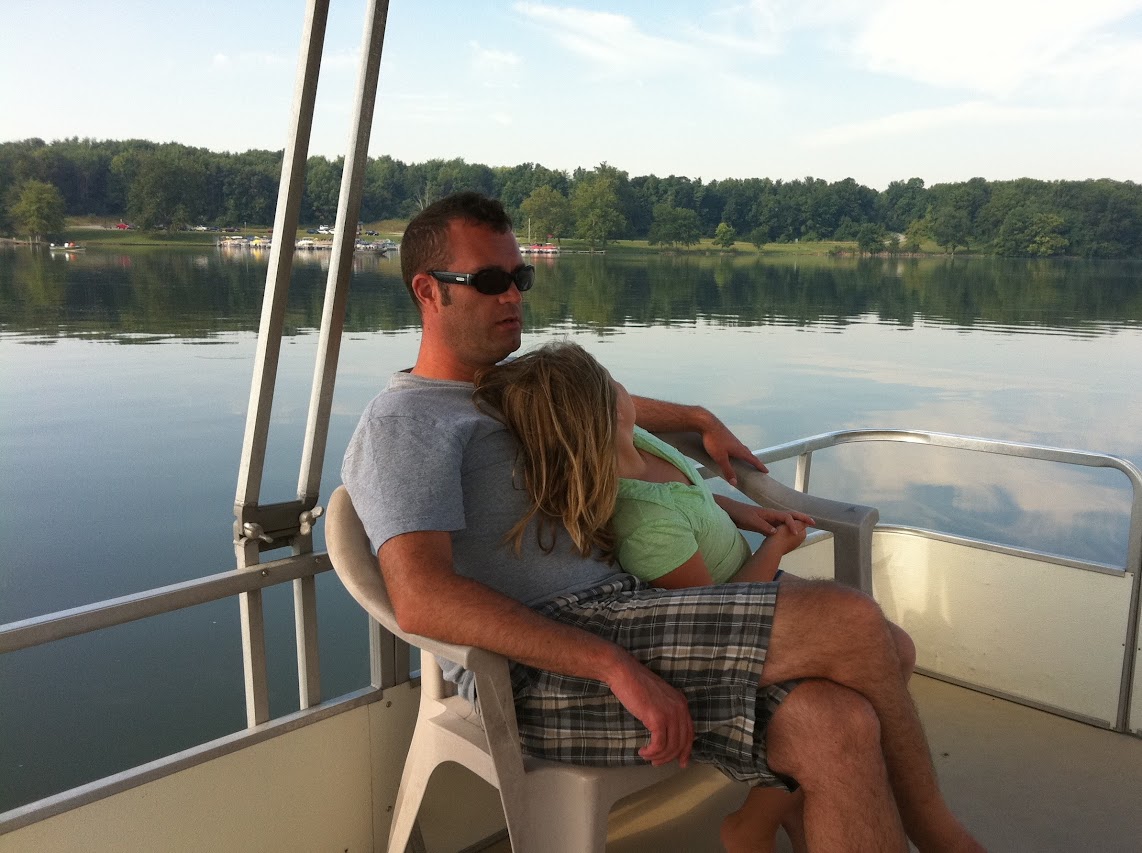
If the Supreme Court takes this case, they are not just weighing one woman’s refusal. They are weighing whether families like mine deserve equal protection. Whether our marriages are permanent or provisional. Whether our children and grandchildren grow up knowing their family is respected, or knowing it is always one vote away from being erased.
We are not asking for special treatment. We are demanding equal recognition.
Because love like ours is not rare. It is just rarely respected.
And we are done waiting.