Discover how these changes could close hospitals, cut jobs, and leave millions without care—and what your elected leaders aren’t telling you.
What’s Happening to Medicaid?
Imagine this: You’re living in a small town, working hard to make ends meet. Maybe you’re raising kids, caring for aging parents, or dealing with health problems yourself. Medicaid is the safety net that helps you or your neighbors afford doctor visits, hospital stays, and even nursing home care. But now, that safety net is being threatened—and the people most at risk are those in rural, poorer states like Alabama, Mississippi, and West Virginia.
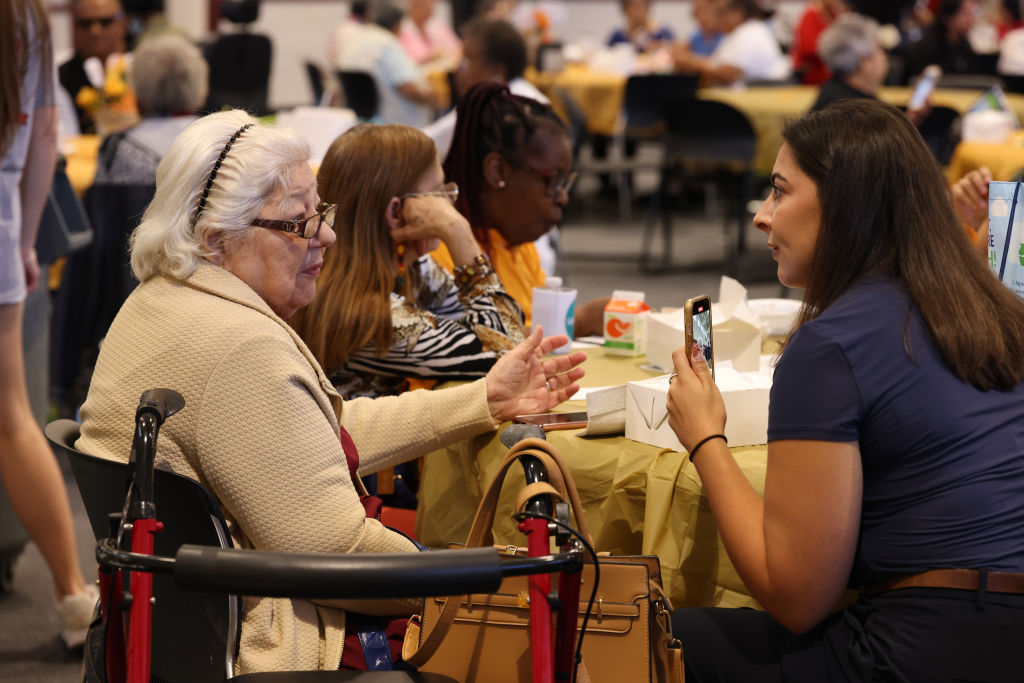
The federal government is planning to cut Medicaid funding by $880 billion over the next 10 years. That’s a huge number, but what does it really mean for you and your community? It means fewer dollars for hospitals, fewer doctors in rural areas, and fewer people getting the care they need. And here’s the kicker: the states that will be hit the hardest are the ones that rely the most on Medicaid—states that voted overwhelmingly for Republican leaders who are now pushing these cuts.
Let’s break this down so it’s easy to understand. We’ll look at how Medicaid works, why these cuts are happening, and what it means for you and your family.
How Medicaid Actually Works and Why It’s Important
Medicaid is a program that helps low-income people get healthcare. It’s paid for by both the federal government and the states. For every dollar a state spends on Medicaid, the federal government chips in a certain amount. In poorer states like Mississippi, the federal government pays up to 77% of the costs. That’s a big deal because it means these states don’t have to spend as much of their own money to provide healthcare for their residents.
Medicaid isn’t just for unemployed or “lazy” people like the made-up “welfare queen”. Medicaid helps working families, children, pregnant women, seniors in nursing homes, and people with disabilities. In fact:
1 in 5 Americans is covered by Medicaid.
Medicaid pays for nearly half of all births in the U.S.
It covers 60% of nursing home residents.
Without Medicaid, millions of people would lose access to basic healthcare. And in rural areas, where hospitals are already struggling to stay open, Medicaid funding is often the only thing keeping the doors open.
The Republican Plan – What They Say vs. What They Do
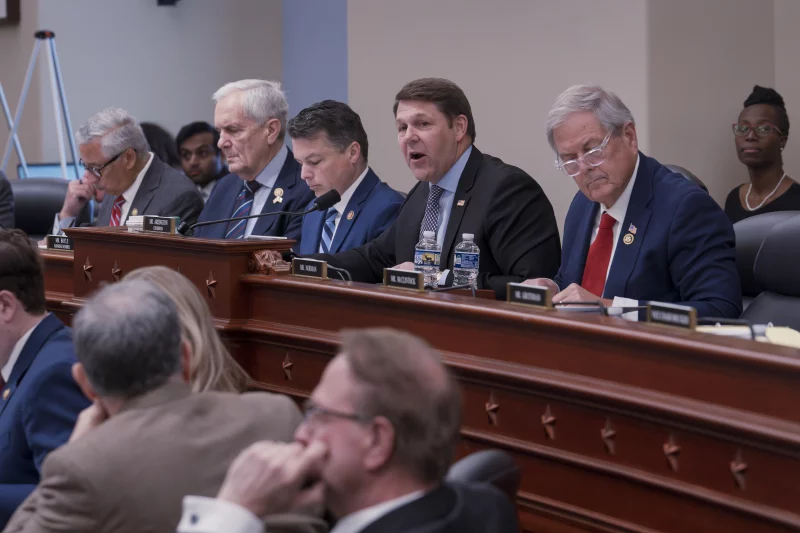
Republican leaders say they want to cut Medicaid to save money and reduce “waste, fraud, and abuse.” That sounds good, right? Nobody wants wasteful spending. But here’s the truth: the cuts they’re proposing aren’t about trimming fat—they’re about slashing the muscle and bone of the program.
For example:
They say the cuts won’t affect benefits, but reducing federal funding means states will have to make up the difference. Most states can’t afford to do that, so they’ll have to cut services, reduce eligibility, or both.
They claim these cuts will “empower states,” but in reality, they’re shifting the financial burden onto states that are already struggling.
Let’s look at Alabama as an example. Alabama relies heavily on federal Medicaid dollars because it’s one of the poorest states in the country. If the federal government cuts its share, Alabama would have to come up with hundreds of millions of dollars to keep the program running. That’s money the state doesn’t have, which means fewer people will get the care they need.
What These Cuts Mean for YOU
Let’s talk about what these Medicaid cuts would actually look like in your community. Imagine you live in a small town in Alabama or Mississippi. Your local hospital is already struggling to stay open because it doesn’t have enough funding. Medicaid helps keep the lights on by paying for services for low-income patients. If Medicaid funding is cut, that hospital might have to close its doors. What happens then?
Emergency Care: If your hospital shuts down, the nearest emergency room might be hours away. That’s a life-or-death situation if you or a loved one has a heart attack, stroke, or serious injury.
Jobs: Hospitals and clinics are often the largest employers in rural areas. When they close, hundreds of people lose their jobs—nurses, doctors, janitors, cafeteria workers. That’s money taken out of your local economy.
Access to Care: Without Medicaid, many people won’t be able to afford doctor visits, medications, or surgeries. That means more untreated illnesses, more suffering, and more people dying from preventable conditions.
This isn’t just a hypothetical scenario. It’s already happening. Since 2010, more than 140 rural hospitals have closed across the U.S., and Medicaid cuts would accelerate this trend. The hardest-hit states? The states that rely the most on Medicaid funding are Alabama, Mississippi, and West Virginia.
The Lies vs. The Truth
Republican leaders often say things that sound good but don’t hold up under scrutiny. Let’s look at some examples:
The Lie: “We’re cutting waste, fraud, and abuse—not benefits.”
The Truth: Medicaid already has one of the lowest fraud rates of any federal program. Cutting funding doesn’t just eliminate waste—it forces states to reduce services, kick people off the program, or both.The Lie: “These cuts will empower states to make their own decisions.”
The Truth: States like Alabama and Mississippi don’t have the money to make up for lost federal funding. Instead of empowerment, these cuts leave states with impossible choices: raise taxes, cut other programs like education, or let people go without healthcare.The Lie: “Medicaid is a handout for people who don’t work.”
The Truth: Most Medicaid recipients are working families, children, seniors, or people with disabilities. Medicaid helps people who are doing their best to get by, not people looking for a free ride.
These lies are designed to make you think the cuts won’t affect you. But the truth is, they will—and in ways that could devastate your community.
Why These Cuts Hurt “Red States” the Most
Here’s the part that might surprise you: the states that will be hurt the most by these Medicaid cuts are the ones that rely on it the most—and many of those are red states. Let’s break it down:
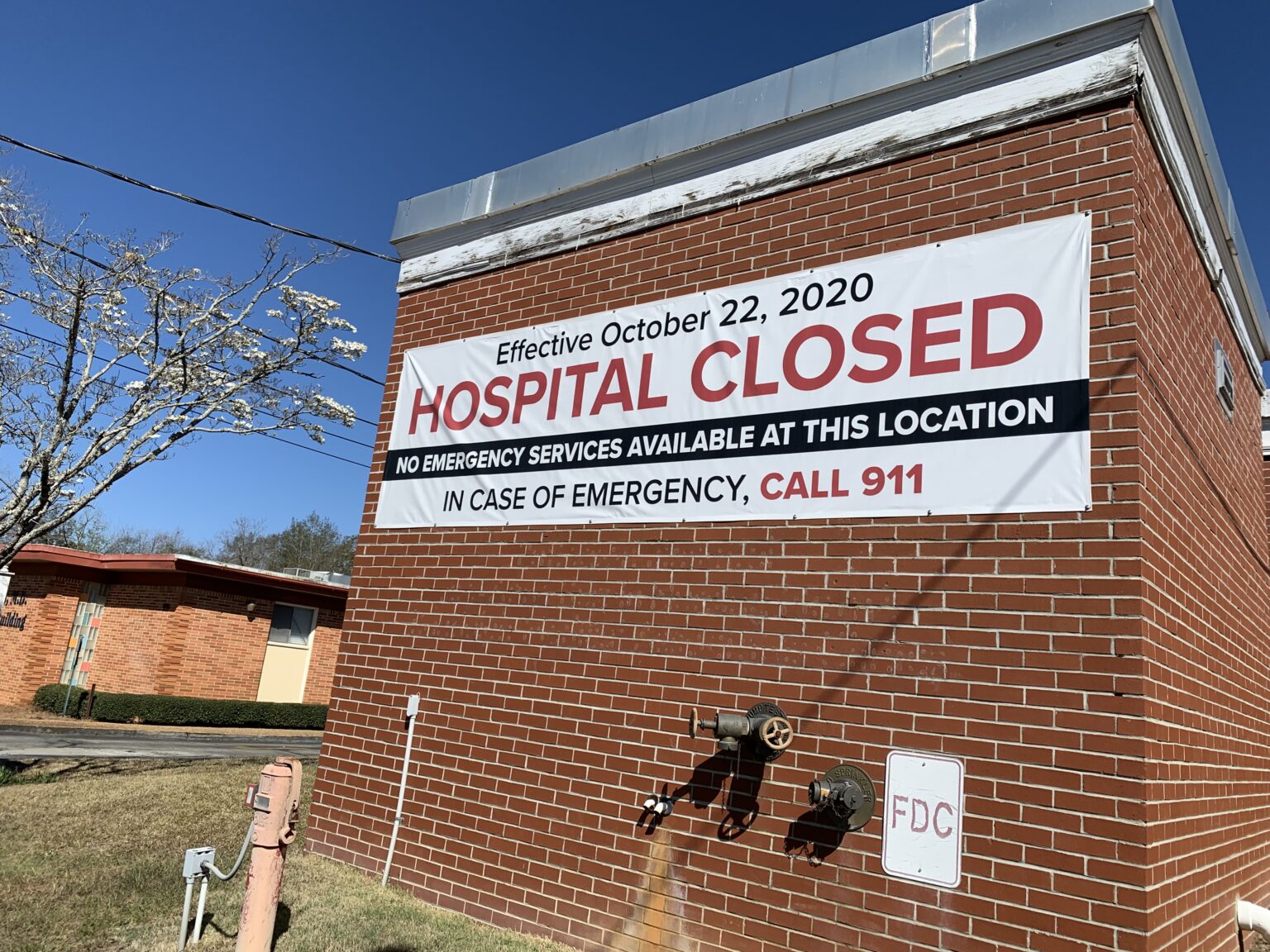
Higher Poverty Rates: States like Mississippi, Alabama, and West Virginia have some of the highest poverty rates in the country. That means more people in these states depend on Medicaid to afford healthcare. When federal funding is cut, these states are hit harder because they have more people who need help.
Smaller Tax Bases: Poorer states don’t have as much money to make up for lost federal funding. Wealthier states like California or New York might be able to raise taxes or shift money around to cover the gap, but states like Alabama can’t. That means they’ll have to cut services, reduce eligibility, or both.
Rural Healthcare Crisis: Many red states have large rural populations, and rural hospitals are already struggling to stay open. Medicaid cuts could push them over the edge, leading to closures that leave entire communities without access to healthcare.
This isn’t just speculation—it’s already happening. For example, in Texas, which has one of the highest uninsured rates in the country, rural hospitals are closing at an alarming rate. Medicaid cuts would only make this worse.
Voting Against Your Own Interests
Here’s where things get tricky. Many of the states that will be hurt the most by these Medicaid cuts are the same states that voted overwhelmingly for Republican leaders who are now pushing these cuts. Why does this happen?
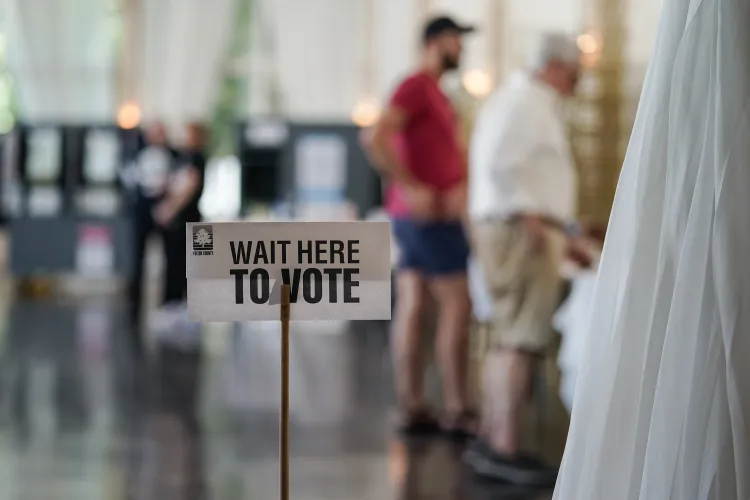
Misinformation: Many voters are told that Medicaid cuts will only affect “waste, fraud, and abuse,” not benefits. But as we’ve seen, that’s not true. The cuts will directly impact services and eligibility.
Distrust of Government Programs: Some voters have been led to believe that programs like Medicaid are “handouts” for people who don’t work. But the reality is that most Medicaid recipients are working families, children, seniors, or people with disabilities.
Focus on Social Issues: In many cases, voters prioritize social issues like gun rights or abortion over economic issues like healthcare. This allows politicians to push policies that hurt their constituents economically while appealing to them on social issues.
This creates a paradox: voters are supporting leaders who are working against their best interests. And the people who will suffer the most are the ones who can least afford it.
How to Fight Back and Hold Leaders Accountable
When big decisions are made about your health and your community, it’s important that you have a say. Here’s how you can push back against these cuts and demand that your leaders represent your best interests:
Get Informed and Ask Questions:
Learn the facts about Medicaid and how the proposed budget changes work. Ask simple questions at town meetings or community gatherings like, “How will reducing federal Medicaid dollars affect our local hospitals?” Knowing the numbers can help you see beyond the slogans.Challenge the “Sound Bites”:
Many Republican lawmakers have falsely claimed, for example, that, “We’re just cutting waste, not benefits.” In reality, when you lose federal money—even as little as 10%—it forces states like Alabama, Mississippi, and West Virginia to cut essential services. For example, West Virginia Congressman Alex Mooney once said, “Our budget is about protecting our future by cutting unnecessary spending,” but that same budget has paved the way for a reduction in Medicaid dollars that will hurt rural hospitals and working families. Similarly, in a recent interview, an Alabama lawmaker insisted, “We can trim out the waste without hurting our communities,” yet later voted for a budget that leaves Alabama scrambling for money to keep its clinics open. These contradictions show that the words you hear are not matching what is actually being done.Contact Your Local Representatives:
Write letters, make phone calls, or visit local town halls to demand answers. Tell your lawmakers that you recognize the real cost of these cuts. Remind them that when Medicaid funding drops, it’s not just a budget number—it’s the local hospital closing, a lost job, or a neighbor without proper care.Share Real Stories:
Talk with neighbors and community members who use Medicaid or depend on local healthcare services. Sharing personal stories and real-life examples helps remind lawmakers that these cuts don’t just affect “faceless numbers.” They affect people like you.Hold Social Media and Local News Accountable:
If you see misleading claims on outlets like Fox News or Newsmax, share fact-based articles—like this one—with your friends and community groups on social media. Ask questions when you see numbers thrown around without context.Join or Support Local Advocacy Groups:
There are organizations that help people on Medicaid, Social Security, and disability. These groups work to fight back using facts and the power of community voices. Consider supporting these groups by volunteering, donating, or simply spreading the word.
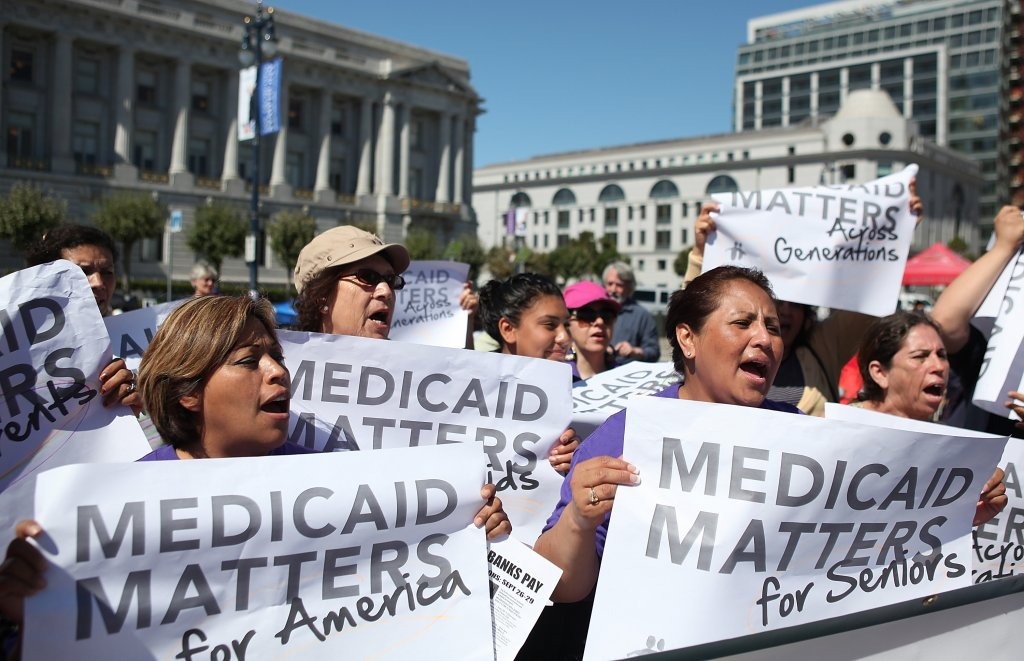
Each of these steps is a way of saying to your elected officials: “I know what’s at stake, and I deserve better representation.” When you start asking the right questions and using clear, fact-based arguments, you help build a community of informed citizens who won’t accept empty promises or contradictory actions.
The Time to Act Is Now
When you look closely at these Medicaid cuts, it’s clear that every dollar reduced isn’t just a line item in a budget—it’s a dollar that could mean the difference between having a local hospital open or closed, between getting a life-saving treatment or having to forgo it. For MAGA voters, especially those in red, rural, and poorer states, the math is simple: These cuts hurt YOU directly.
Republican leaders often use catchy phrases like “cutting waste” to hide the fact that they’re slashing money that keeps your neighbors healthy and your local economy moving. When the federal government lowers its share by almost 10%, states that rely heavily on that money are forced to find the extra cash themselves. In states like Alabama, Mississippi, and West Virginia, that often means harder choices—like reducing services or even closing hospitals that rural families depend on.
Take a moment to think about this: many of the voices urging these cuts say things like,
“We’re not hurting anyone, just saving money by cutting waste,” yet when you do the math, it becomes evident that when federal dollars drop, someone picks up the tab—often someone who can least afford it.
By voting for policies that promise big savings while masking the real cost, many voters have inadvertently supported measures that might shut down local clinics or force families to drive miles further for emergency care. These aren’t distant problems—they’re right in your backyard, affecting your community’s ability to care for its sick, elderly, and children.
Now is the time to demand the truth. When you hear statements from politicians that sound good but don’t add up in your bank account or your local hospital’s budget, ask questions and share the facts. Let your representatives know that you deserve transparency, and make it clear that protecting your community’s health should be more important than misleading sound bites.
The harsh reality is that while Fox News and Newsmax may offer reassuring slogans about cutting waste, the real impact is seen in the clinics shutting down and jobs disappearing — leaving people who rely on these outlets for “news” shocked when the reality they are experiencing doesn’t align with what they’ve been told. A strong community is based on a strong healthcare system. And when that system is weakened by cuts that largely hit red, poorer states, who are already struggling to support their residents, everyone suffers.
So here’s the bottom line: if you value the well-being of your family and your neighbors, if you want to ensure that emergency rooms remain open and that your local hospital can keep offering care, now is the time to stand up. Reach out to your elected officials, share this information with friends and family, particularly those without access to the internet or only consume right-wing new sources, and demand that they explain how their policies will affect the very people they promised to protect.