
Payment clawbacks, closures, and in-person mandates are dismantling the safety net for millions of Americans—here’s what beneficiaries need to know to fight back.
Social Security has long been a cornerstone of America’s promise to its people—a safety net ensuring that the elderly, disabled, and vulnerable can live with dignity. But under the second Trump administration, this lifeline is being systematically unraveled. Policies that slash staffing, shutter offices, and impose draconian repayment rules are not just bureaucratic tweaks—they are existential threats to millions of Americans who rely on these benefits to survive.
The administration’s justification? Efficiency and fraud prevention. The reality? A calculated assault on the most vulnerable, leaving recipients scrambling to navigate a system that seems designed to fail them. This article breaks down the policies, their devastating impacts, and—most importantly—how beneficiaries can fight back.

The Policies That Are Changing Everything
The Trump administration’s changes to Social Security have been sweeping, bold, and unapologetically disruptive. These measures, under the guise of increasing efficiency and reducing fraud, are dismantling the foundations of the safety net that millions of Americans depend on. Here’s a detailed breakdown of the most critical policies and their implications:
Clawbacks for Overpayments:
Social Security overpayments often result from errors in the SSA’s own calculation systems. Historically, repayment policies were designed to minimize harm, typically requiring a modest 10% deduction from future benefits until the overpayment was recouped. But the new policy flips this approach on its head: recipients must now repay 100% of their benefits until the debt is cleared.
The reality:
Imagine a low-income individual who receives $1,500 monthly from Social Security Disability Insurance (SSDI). Now, an SSA error leads to a $10,000 overpayment notice. Under the new policy, this recipient will receive zero dollars each month—no income for housing, food, or medical bills—until the overpayment is “repaid.”
The assumption? Recipients should have known about the error and set money aside. The truth? Most recipients had no idea they were overpaid, and many are already living paycheck to paycheck.
Advocates, including Social Security Works, have called this approach “inhumane,” emphasizing that it punishes recipients for mistakes they did not make. The SSA’s own data shows that overpayments are often caused by outdated systems or delays in updating beneficiaries’ information, not fraudulent actions.
Resource for Beneficiaries:
For recipients facing these clawbacks, it’s crucial to know that the policy can be appealed. The SSA offers an appeals process (learn more here), and beneficiaries are encouraged to request a waiver if repaying would cause financial hardship.
In-Person Verification Mandates:
The administration’s new in-person identity verification requirement affects all Social Security recipients, including retirees, individuals with disabilities, and survivors. What was once an online or mail-in process now requires physically visiting an SSA office.
The harsh reality:
Elderly individuals and those with mobility issues may face insurmountable barriers.
Rural recipients often need to travel hours—at significant cost—to reach the nearest office, especially with so many closures.
Hospitalized beneficiaries or those who are homebound due to severe disabilities are left with no clear alternative.
Advocates warn that this policy could result in countless beneficiaries losing access to their payments, not because they’re ineligible, but because they can’t comply with the logistical demands.
Resource for Beneficiaries:
For those unable to attend in-person appointments, contacting SSA’s helpline (1-800-772-1213) can help determine if an exception or alternative is available. Local advocacy groups, such as the National Disability Rights Network (NDRN), may also offer guidance or legal support (find them here).
Office Closures and Staffing Cuts:
As part of its “efficiency measures,” the Trump administration has cut 7,000 SSA positions and closed dozens of regional offices, primarily in rural areas. This directly translates to fewer staff handling claims, answering questions, and processing appeals.
The fallout:
Call centers are overwhelmed, with wait times stretching into hours.
In-person appointments are backlogged for months, leaving urgent cases unresolved.
Rural residents—already dealing with limited internet and transportation—are disproportionately affected, as their nearest SSA office may now be several counties away.
Critics argue this isn’t about efficiency—it’s about making access to benefits so difficult that people give up. The political calculus is simple: fewer claims processed means lower spending on Social Security benefits.
Resource for Beneficiaries:
Beneficiaries are encouraged to create a “my Social Security” account online (sign up here) to manage their benefits and avoid long waits for in-person or phone assistance. For those without internet access, local libraries or community centers may provide free access to computers.
These policies, each alarming on their own, combine to create a perfect storm of inaccessibility and vulnerability. While the administration paints these changes as necessary for rooting out fraud and cutting costs, the true cost is borne by the millions of Americans left struggling to access the benefits they earned.
Who Suffers the Most?
While Social Security policies affect all beneficiaries, their repercussions fall hardest on those already facing systemic inequalities. Women, minorities, and disabled individuals are disproportionately affected by the Trump administration’s recent changes. Understanding this intersectional impact is crucial to grasping the full scope of the harm being done.
Women:
Social Security plays a vital role in addressing economic disparities for women, who tend to live longer, earn less over their lifetimes, and are more likely to take on unpaid caregiving roles. With fewer retirement savings and smaller pensions, many older women rely on Social Security for 90% or more of their income.
Now, policies like in-person identity verification and office closures are putting up barriers that disproportionately harm this group. For women who are homebound or lack reliable transportation, complying with these new requirements is a logistical nightmare. Without access to benefits, older women are left financially stranded, at risk of eviction, hunger, and worse.
Resource for Women
Organizations like AARP provide tailored guides to help women navigate these new challenges. Visit AARP’s Social Security Guides for actionable advice on preserving benefits.
Minorities:
For African American and Hispanic beneficiaries, Social Security often compensates for the historical inequities that result in lower lifetime earnings and fewer employer-sponsored retirement plans. These groups also have higher rates of disability, meaning they rely on SSDI and SSI benefits at higher rates.
The new clawback policy hits these communities hard. For individuals already living paycheck to paycheck, losing benefits due to overpayments they didn’t even realize they received can push entire families into poverty. Combined with the challenges of reduced office access in predominantly rural or underserved areas, these policies risk cutting off the very populations Social Security is supposed to uplift.
Resource for Minorities
Advocacy groups like Social Security Works are fighting to protect benefits for minorities. Their website (SocialSecurityWorks.org) provides updates on policy changes and tools for advocacy.
Disabled Individuals:
Social Security Disability Insurance (SSDI) and Supplemental Security Income (SSI) are lifelines for millions of disabled Americans. But the Trump administration’s policies introduce new barriers to accessing these benefits, disproportionately harming individuals with severe disabilities who may already struggle to navigate bureaucratic systems.
Consider the in-person verification requirement: How is someone confined to a hospital bed or wheelchair expected to travel to an SSA office? Even exceptions, which require lengthy approval processes, leave recipients without benefits in the meantime. Disabled individuals are already among the most vulnerable to homelessness, and these policies only increase that risk.
Resource for the Disabled
The National Disability Rights Network (NDRN) offers legal support and advocacy for disabled individuals navigating these policy changes. Learn more at NDRN.org.
Rural Populations:
Rural beneficiaries face unique challenges under these new policies. With SSA office closures disproportionately affecting rural areas, residents often need to travel for hours to comply with in-person requirements. Limited internet access further complicates their ability to use online services, leaving them with no practical way to meet the demands of the new system.
Resource for Rural Residents
Local nonprofits and community organizations often step in to fill the gaps. Check with your nearest senior or disability resource center for help with transportation and benefit management.
By targeting the most vulnerable groups, these changes do more than harm individuals—they exacerbate existing inequalities, undoing decades of progress. The intersectional impact is a stark reminder that the policies are not just bad—they are devastating for those who can least afford them.
The Fraud Lie
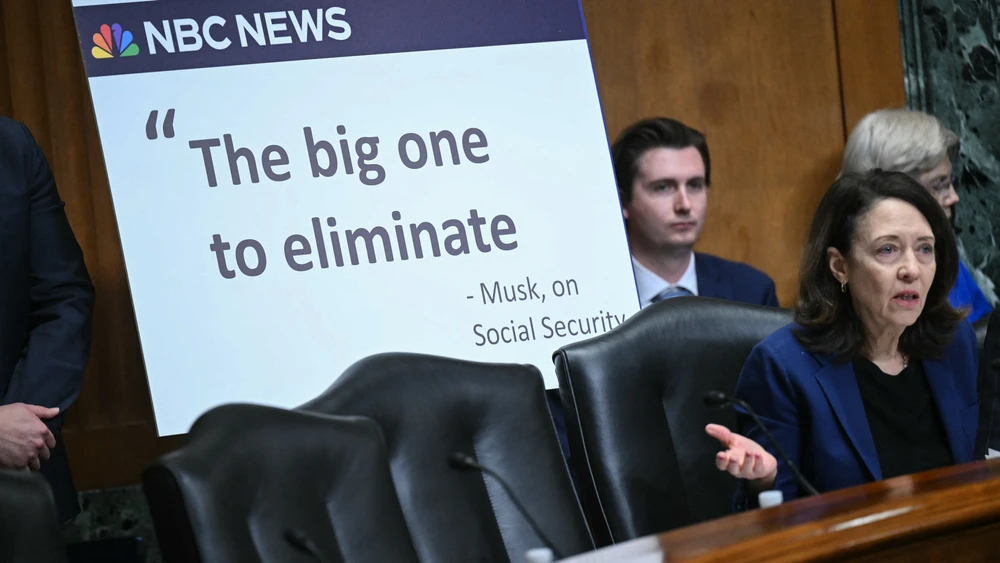
The Trump administration has repeatedly justified its Social Security policies by pointing to “widespread fraud,” claiming billions of dollars are lost annually and even alleging that “millions of dead people are receiving checks.” While this rhetoric may sound alarming, it falls apart under scrutiny. Audits and data from the Social Security Administration (SSA) paint a very different picture: the fraud narrative is not only exaggerated—it’s a political tool to justify dismantling the system.
The TRUTH About Improper Payments
Audits conducted by the SSA’s Office of the Inspector General have consistently shown that improper payments—overpayments or underpayments—account for less than 1% of total benefits disbursed. Between 2015 and 2022, improper payments totaled $72 billion out of $8.6 trillion in benefits—a fraction of a percent. Moreover:
Many improper payments are due to administrative errors, such as delays in updating beneficiaries’ records or calculating benefits. These are not acts of fraud.
Most overpayments are recovered quickly, and beneficiaries who were overpaid are often unaware they received more than they were due.
As for claims that “millions of dead people are receiving checks,” these allegations have been repeatedly debunked. While SSA’s database includes records of individuals who died before electronic reporting became standard, these individuals are not actively receiving payments. Safeguards are in place to terminate benefits for individuals reaching improbable ages, such as 115 years or older.
Why the Fraud Lie Persists
Given the lack of evidence for widespread fraud, why does this narrative persist? The answer lies in political motives. Casting Social Security as inefficient or rife with abuse helps justify budget cuts, office closures, and policies that make accessing benefits more difficult. By vilifying beneficiaries and exaggerating the scale of improper payments, lawmakers can push measures that reduce federal spending without acknowledging the human cost.
Take the recent policy requiring recipients to repay 100% of overpayments before receiving benefits: it’s framed as combating fraud, yet disproportionately punishes recipients for SSA’s own errors. Similarly, forcing in-person identity verification is framed as securing benefits, yet it creates barriers for those least likely to engage in fraud—elderly, disabled, and rural beneficiaries.
Social Security: A Model of Efficiency
Contrary to the administration’s rhetoric, Social Security is widely regarded as one of the most efficient federal programs. Administrative costs account for less than half a cent per dollar spent, far lower than private insurance or retirement programs. As Nancy Altman, president of Social Security Works, points out: “The program is not only effective—it’s indispensable.”
The REAL Consequences
By overstating the threat of fraud, the administration risks undermining public trust in Social Security. Beneficiaries may feel stigmatized or afraid to claim the benefits they’ve earned, while draconian measures like clawbacks and verification mandates increase confusion, stress, and financial hardship.
Resource for Advocacy
Recipients and their families can support organizations like Social Security Works (SocialSecurityWorks.org) to stay informed and fight back against harmful policies. Advocacy tools are also available to help beneficiaries contact lawmakers and share your concerns.
The fraud narrative isn’t about protecting Social Security—it’s about dismantling it under the guise of reform.

The Psychological Toll
For millions of Americans, Social Security isn’t just a financial lifeline—it’s a source of stability and peace of mind. The assurance of monthly benefits allows recipients to plan for basic needs like rent, food, and medical care. But under the Trump administration’s new policies, this stability has been shattered. The psychological toll of clawbacks, in-person mandates, and inaccessible services is leaving many beneficiaries feeling anxious, fearful, and abandoned.
Living in Fear of Losing Benefits
Imagine being an elderly retiree or a disabled individual already struggling to make ends meet. Now, picture receiving a demand letter from the SSA, claiming you were overpaid by thousands of dollars due to an error you didn’t cause—and informing you that your entire benefit will be withheld until it’s repaid.
For these recipients, the fear of losing their income is paralyzing. Many rely on Social Security for 90% or more of their income, and clawback policies mean they could go months without money for basic necessities. The result? A constant state of anxiety, as recipients try to navigate repayment requirements while coping with the threat of eviction, hunger, or worse.
Voices of the Vulnerable
In a historic 25-hour speech on the Senate floor (March 31-April 1), Sen. Cory Booker brought these fears to life by reading letters from Social Security recipients who are terrified of how these policies will affect them. Booker’s speech, which broke the record for the longest Senate speech in U.S. history, was a passionate plea to recognize the real-life human cost of the administration’s and Republican lawmakers’ actions.
One letter described the anguish of a disabled individual who feared losing their home due to clawbacks. Another came from an elderly woman who worried she wouldn’t be able to afford her medication if her benefits were withheld. Booker’s voice cracked as he read these stories, underscoring the urgency of protecting Social Security as a moral imperative.
“These are not just numbers on a spreadsheet,” Booker said during his speech. “These are lives—real people who are being crushed under the weight of policies that treat them as expendable.” His marathon effort was a rallying cry for lawmakers and citizens alike to stand against these harmful changes.
The Emotional Impact of Barriers to Access
The in-person verification mandate introduces a new layer of stress, particularly for those who are disabled, elderly, or immobile. For individuals confined to hospitals or assisted living facilities, the inability to physically visit an SSA office leaves them trapped in bureaucratic limbo. Even those who can comply often face insurmountable logistical challenges, such as arranging transportation or enduring long waits for appointments.
This feeling of helplessness is compounded by office closures and staffing cuts, which create additional delays and confusion. Beneficiaries are left with the impression that the system is intentionally working against them—a sentiment that undermines trust and increases emotional strain.
The Ripple Effect on Families
The psychological toll doesn’t end with the recipients. Families are stepping in to help elderly parents or disabled relatives navigate these changes, often acting as unpaid caregivers, advocates, and chauffeurs. For family members juggling their own responsibilities, this added burden can lead to stress, burnout, and strained relationships.
The fear and frustration caused by these policies ripple outward, affecting entire households. Parents may worry about providing for children, while adult children agonize over how to help their aging parents avoid financial ruin.
The Risk to Mental Health
The cumulative stress and fear created by these policies can take a significant toll on recipients’ mental health. Studies show that financial insecurity is closely linked to depression, anxiety, and even physical health problems. For those already facing health challenges, the added strain can be overwhelming.
Resource for Mental Health Support
Recipients struggling with mental health impacts can reach out to the National Alliance on Mental Illness (NAMI) for support groups, hotlines, and local chapters. Visit NAMI.org to learn more. For immediate crisis support, the Suicide Prevention Lifeline (988) is available 24/7.
The Trump administration’s policies are not just creating financial hurdles—they are fueling a psychological crisis for millions of Americans. Sen. Booker’s speech reminds us that these are not abstract issues—they are deeply personal, affecting lives and families in profound ways.

Taking Back Control
The Trump administration’s policies may have created unprecedented hurdles for Social Security recipients, but there are ways to adapt, protect benefits, and push back against harmful changes. With the right information and resources, beneficiaries and their families can navigate these challenges and advocate for a system that works for everyone.
Clawbacks:
The clawback policy, which withholds 100% of benefits for overpayment recovery, may leave recipients feeling hopeless—but it’s important to know that this policy can be appealed. Beneficiaries have the right to challenge overpayment claims, especially if repaying the debt would cause financial hardship.
Steps to Take:
Request a Waiver: Recipients can file a waiver by explaining why repaying the overpayment would create undue hardship. Waivers are often approved for individuals facing severe financial or health challenges.
File an Appeal: If the overpayment claim itself is inaccurate, beneficiaries can file an appeal with the SSA. Visit SSA’s Appeals Process Guide for step-by-step instructions.
Pro Tip: Reach out to organizations like the National Disability Rights Network (NDRN) for assistance with appeals. Their legal expertise can be invaluable in navigating these processes.
In-Person Verification:
For those unable to comply with the new in-person verification mandate—whether due to immobility, hospitalization, or lack of transportation—the SSA offers limited alternatives. However, these options often require persistence and advocacy.
Steps to Take:
Call SSA Directly: Contact SSA’s helpline at 1-800-772-1213 to explain your circumstances and request an exception or alternative process, such as completing verification over the phone.
Seek Local Support: Nonprofits like senior centers and disability resource organizations often assist beneficiaries with transportation or navigating SSA bureaucracy.
Resource Spotlight: The National Disability Rights Network (NDRN) is an excellent resource for individuals facing barriers to access. Learn more at NDRN.org.
Office Closures and Staffing Cuts:
With fewer SSA offices and staff available to help, many beneficiaries are turning to online tools to manage their benefits and avoid long wait times. Creating a “my Social Security” account is one of the easiest ways to take control.
Steps to Take:
Sign Up: Visit SSA’s My Account Page to create an account. You’ll need basic personal information to complete registration.
Manage Benefits Online: Once registered, beneficiaries can check their benefit statements, update personal information, and set up direct deposit—all without visiting an office or calling SSA.
Pro Tip: For those without internet access, local libraries often provide free computer use.
Advocating for Change:
While navigating these policies is critical, beneficiaries can also fight back against harmful changes by making their voices heard. Advocacy starts with contacting lawmakers and joining grassroots efforts to protect Social Security.
Steps to Take:
Find Your Representatives: Use USA.gov’s Find Your Representative Tool to locate contact information for your senators and congressional representatives.
Share Your Story: Lawmakers are far more likely to act when confronted with real stories from constituents. If these policies are impacting you or your family, share your experiences in letters, emails, or public forums.
Resource Spotlight: Organizations like Social Security Works (SocialSecurityWorks.org) provide advocacy tools and campaigns to help beneficiaries take action.
Helping Others:
Family members and community advocates play a vital role in helping beneficiaries navigate these changes. Whether it’s driving an elderly parent to an SSA office or setting up an online account for a disabled relative, small actions can make a big difference.
Pro Tip: Share this article widely on social media and via email! Ensuring that beneficiaries and their families understand the policies, rights, and resources available to them is a powerful step toward reclaiming control.
Navigating these changes may be daunting, but with the right information and support, beneficiaries can protect their benefits and push back against policies that threaten their livelihood.
Fighting Back Together
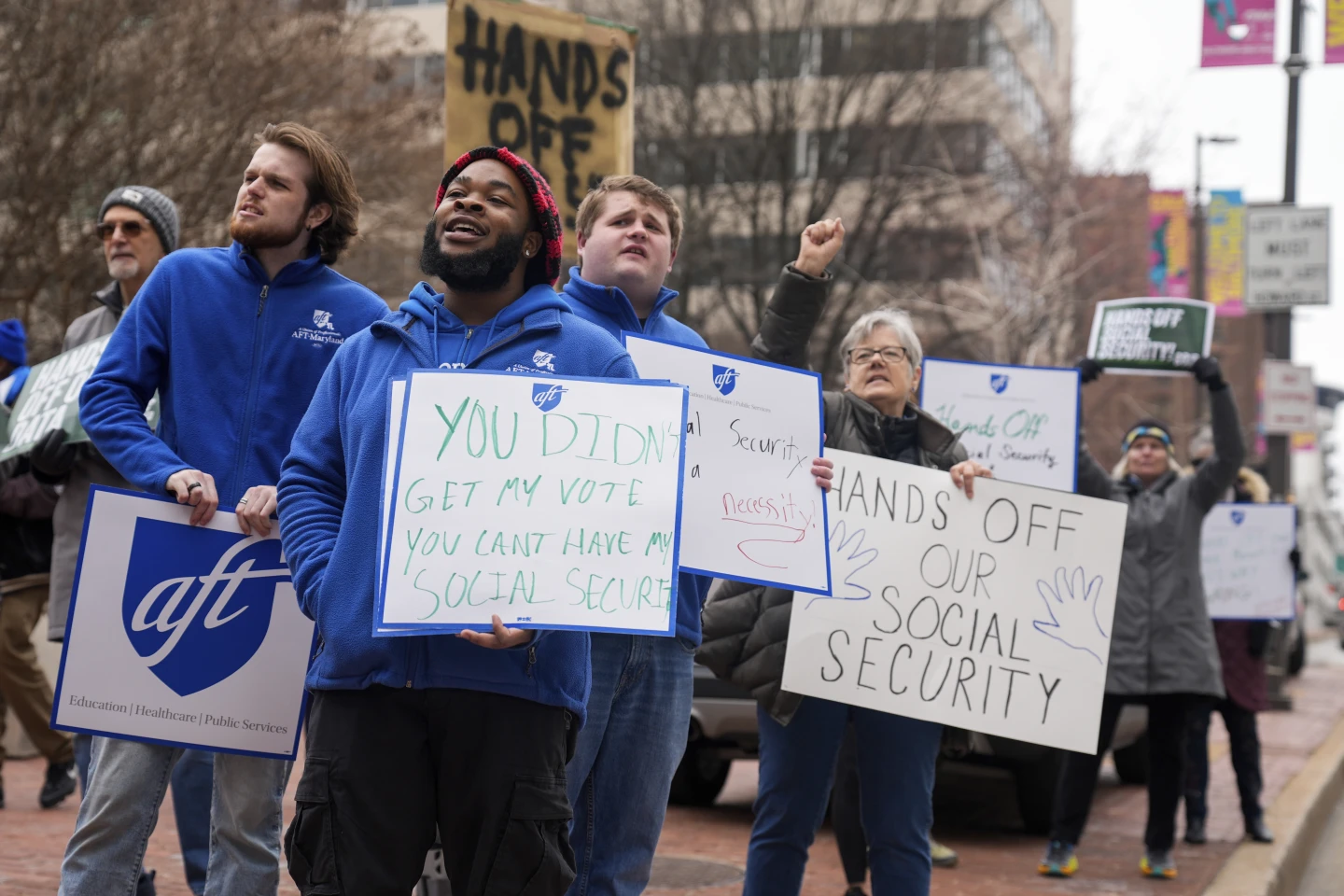
The Trump administration’s policies have put millions of Social Security beneficiaries at risk, but this is not a fight they need to face alone. Advocacy starts with individual voices and grows into collective action. Here’s how recipients, families, and communities can work together to resist these harmful changes and protect America’s safety net.
Your Voice Matters
Lawmakers are responsible for overseeing Social Security, and they need to hear from the people these policies impact the most. Sharing personal stories and expressing concerns about these changes can help push them to take action.
Steps to Take:
Find Your Representatives: Use USA.gov’s Find Your Representative Tool to locate contact details for your senators and congressional representatives.
Call or Write: Reach out via phone, email, or traditional mail. Share your story—how these policies affect you or your loved ones—and ask them to advocate for changes that protect Social Security.
Engage Publicly: Attend town halls or public meetings hosted by your representatives. Speaking up in these forums can amplify your voice.
Joining Advocacy Efforts: Strength in Numbers
Advocacy organizations play a vital role in fighting for Social Security. Joining these groups or participating in their campaigns can amplify your impact and connect you with others facing similar challenges.
Top Organizations to Consider:
Social Security Works: A nonprofit dedicated to defending Social Security. They provide advocacy tools, updates on legislation, and campaigns to protect benefits (learn more here).
National Organization of Social Security Claimants’ Representatives (NOSSCR): Offers legal guidance and advocacy for recipients navigating claims and appeals.
Local Community Advocacy Groups: Many cities and states have organizations dedicated to seniors and disability rights. Connecting with these groups can provide additional support.
Share This Resource
Knowledge is power, and one of the most impactful steps recipients and families can take is spreading awareness about these policies. Many Americans don’t fully understand the changes or their potential consequences—sharing this article can help inform and mobilize them.
How to Share:
Social Media: Post the article on Facebook, Twitter, or other platforms to reach a wider audience.
Family Discussions: Share it with elderly parents, disabled relatives, or anyone affected by Social Security changes.
Community Events: Print and distribute copies at local senior centers, libraries, or advocacy events.
Mobilizing Your Community: Grassroots Advocacy
Change happens when people come together. Mobilizing your community to collectively advocate for Social Security protections can make a significant impact.
Steps to Take:
Organize Local Events: Host meetings or rallies to discuss these policies and share resources.
Petitions and Letter Campaigns: Start a petition or organize a campaign to send letters to lawmakers advocating for change.
Partner with Advocacy Groups: Collaborate with national and local organizations to amplify your community’s voice.
Turning Fear Into Action
Social Security recipients have every reason to feel anxious about these changes—but it’s crucial to channel that fear into action. By standing together, sharing knowledge, and advocating for fair policies, beneficiaries and their families can fight back against the erosion of America’s safety net.
The Trump administration’s assault on Social Security is not just a series of bureaucratic changes—it’s a direct attack on the dignity and well-being of millions of Americans. From clawbacks that strip recipients of their income to office closures that leave rural communities stranded, these policies are dismantling a safety net that has stood for generations.
This is not an abstract debate. It’s about real people—elderly retirees who fear losing their homes, disabled individuals trapped in bureaucratic limbo, and families burdened by a system that seems designed to fail them. As Sen. Cory Booker’s marathon speech revealed, these stories are heartbreaking, urgent, and impossible to ignore.
But there is hope. Beneficiaries and their families can fight back. By staying informed, sharing resources, and mobilizing communities, we can push for policies that protect and expand Social Security—not dismantle it. Advocacy groups, grassroots movements, and individual voices have the power to demand change from lawmakers.
This article is not just a critique of harmful policies—it’s a tool for action. Share it widely, use the resources provided, and stand with those fighting for the future of Social Security. Together, we can ensure that this vital program continues to serve as a lifeline for generations to come.
Did you find this article interesting or helpful? Please share with your friends and on social media. Share with your elderly family members.
Do you want to support independent media like Pulse Network? Please consider subscribing for free or a paid subscription for just $5/mo.