Isolationism, Regression, and the Cost of ‘America Alone’—Why We Must Break the Cycle Before It’s Too Late
Echoes of Hoover’s America
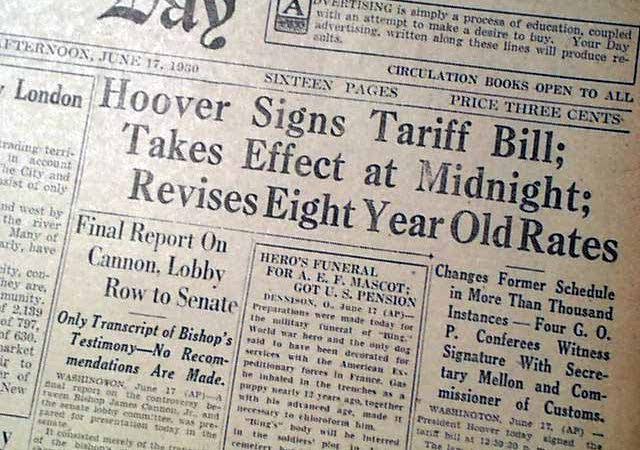
As America navigates the complexities of the present, the parallels to Herbert Hoover’s presidency (1929-1933) are striking. Hoover’s tenure was defined by his unwavering belief in laissez-faire economics and fiscal conservatism, even as the Great Depression ravaged the nation. His reluctance to embrace direct government intervention left millions of Americans struggling, with breadlines and widespread unemployment becoming symbols of his administration’s failures.
One of Hoover’s most infamous policies was the Smoot-Hawley Tariff Act, which raised tariffs on imported goods to protect American industries. While intended to bolster domestic production, the act backfired spectacularly, triggering retaliatory tariffs from other nations and deepening the global economic downturn. The isolationist approach alienated allies and stifled international trade, exacerbating the crisis.
Fast forward to today, and the echoes of Hoover’s America are unmistakable in Donald Trump’s second term. Trump’s “America First” agenda, characterized by sweeping tariffs and protectionist measures, mirrors Hoover’s isolationist policies. These tariffs, often justified with shifting rationales—from curbing unfair trade practices to addressing public health concerns like fentanyl—lack a cohesive strategy. Reports indicate that some tariffs were imposed on countries with minimal trade or population, highlighting the reactionary nature of these measures.
The consequences of these policies are strikingly similar to those of Hoover’s era: strained international alliances, economic stagnation, and a growing sense of isolation. Just as Hoover’s policies deepened the Great Depression, Trump’s tariffs risk alienating allies and limiting opportunities for collaboration in an increasingly interconnected world.
A Blunt Instrument in a Complex World
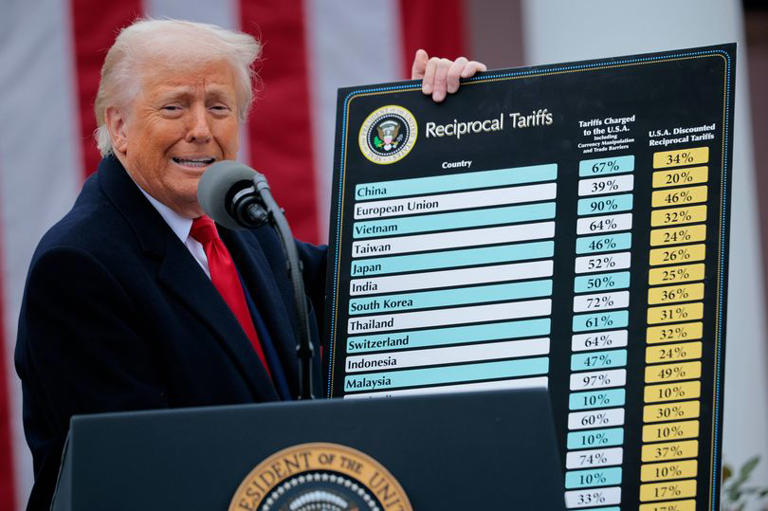
The Trump administration’s tariff policies have become a defining feature of its economic strategy, but their implementation has been anything but precise. Unlike targeted measures designed to address specific trade imbalances or unfair practices, these tariffs often appear to be reactionary, lacking a cohesive strategy. Reports reveal that some tariffs were imposed on countries with minimal trade relationships with the United States, and in some cases, on nations with negligible populations. This scattershot approach raises questions about the true intent and effectiveness of these measures.
The rationale for these tariffs has shifted over time, further highlighting their inconsistency. Initially framed as a response to unfair trade practices, they were later justified as measures to combat the opioid crisis by targeting countries linked to fentanyl production. At other times, the administration claimed the tariffs were a means to revive American manufacturing—a goal that, while nostalgic, overlooks the reality of the modern U.S. economy. The United States transitioned from a manufacturing-based economy to a service-oriented one decades ago, and attempting to reverse this trend ignores the complexities of global trade and economic evolution. Historical context on U.S. economic shifts
The consequences of these tariffs have been far-reaching. Internationally, they have strained relationships with key allies and trading partners, isolating the United States on the global stage. Domestically, they have led to higher costs for consumers and businesses, disproportionately affecting low-income households. This regressive impact mirrors the economic fallout of Hoover’s Smoot-Hawley Tariff Act, which deepened the Great Depression by stifling international trade and exacerbating economic inequality. Analysis of Smoot-Hawley’s impact
By drawing these parallels, it becomes clear that the Trump administration’s tariff policies are not just economically flawed but also historically shortsighted. They reflect a broader pattern of reactionary measures that prioritize ideology over practicality, leaving the nation more isolated and economically vulnerable.
The “Good ‘Ol Days”
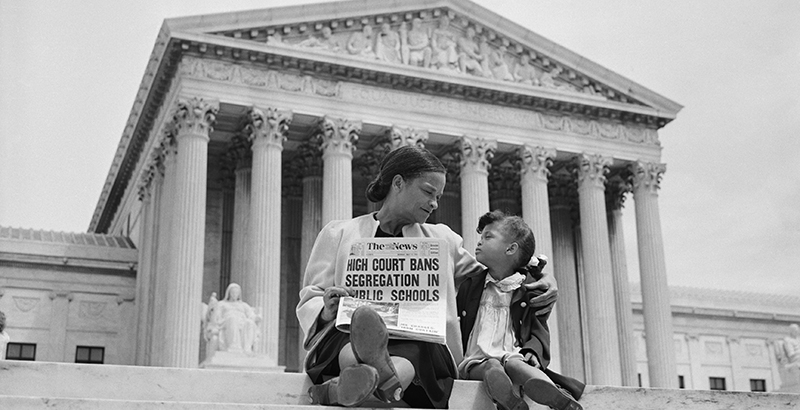
Underlying many of the Trump administration’s policies is a yearning to return to an idealized version of America—the “good ‘ol days.” This vision, characterized by a strong manufacturing base and conservative social values, often overlooks the exclusionary realities of those eras. During the early 20th century, the so-called “golden age” of manufacturing coincided with systemic inequalities, where opportunities were largely reserved for white, Christian, landowners. This nostalgia ignores the progress made toward inclusivity and equity in the decades since.
The push to revert to a manufacturing economy reflects a misunderstanding of modern economic realities. The United States has evolved into a predominantly service-based economy, with industries such as healthcare, education, and technology driving growth. Attempting to revive manufacturing as the backbone of the economy overlooks global trends and the interconnected nature of trade in the 21st century.
Moreover, the administration’s embrace of isolationism through tariffs and restrictive policies further amplifies this backward-looking approach. In an era of globalization, cutting ties with international partners hampers innovation and limits opportunities for collaboration. Economists have long argued that protectionist measures, while politically appealing, often have regressive impacts, disproportionately affecting vulnerable communities and small businesses.
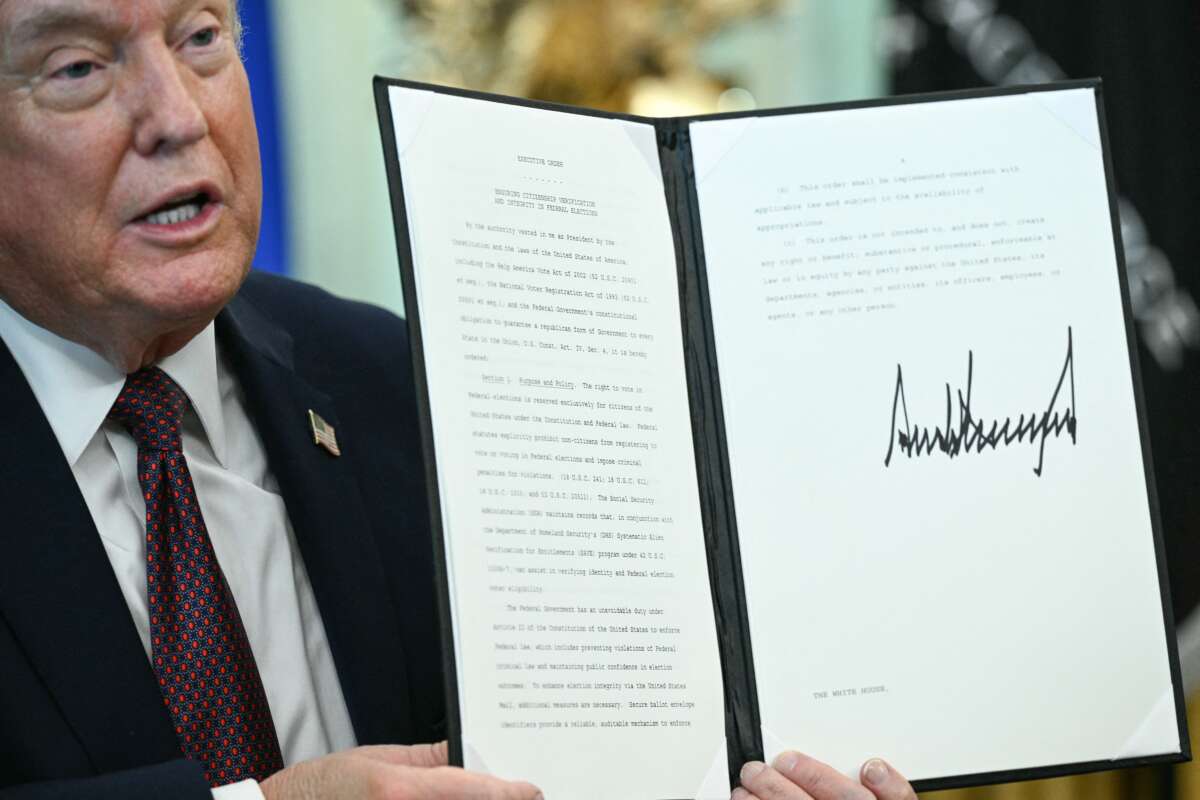
This reactionary approach extends beyond economic policy to social issues, as seen in efforts to restrict voting rights and enforce conservative cultural norms. The SAVE Act and other similar proposals reflect an intent to solidify power by suppressing dissent rather than addressing systemic challenges. These measures risk entrenching inequality and eroding democratic principles, echoing the exclusionary policies of the Hoover era. Analysis of SAVE Act.
“America First” is really “America Alone”
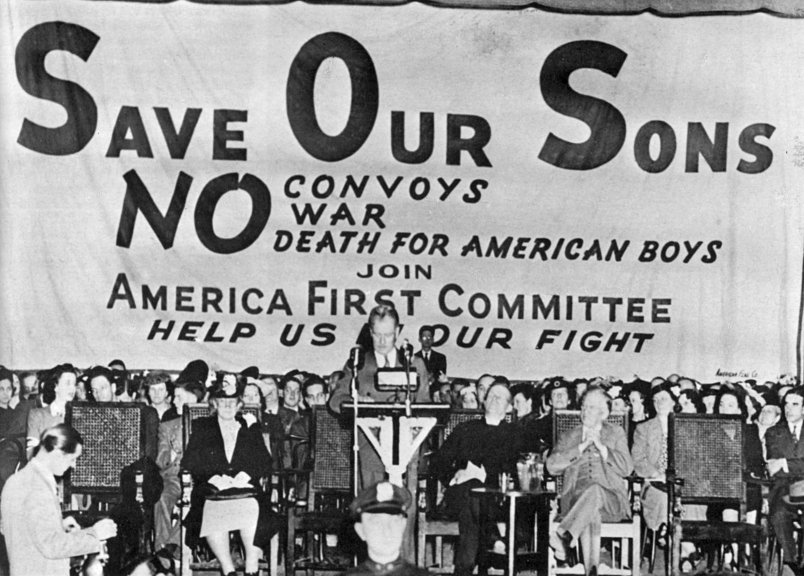
The Trump administration’s “America First” slogan may evoke a sense of national pride, but its policies have often led to a profound sense of isolation—earning the moniker “America Alone” in economic and diplomatic circles. Sweeping tariffs have alienated allies and trading partners, creating friction with nations that were once pillars of international cooperation. The administration’s unilateral actions, coupled with inconsistent justifications for these tariffs, have strained relationships with key partners, leaving the United States more isolated on the global stage.
The repercussions of these policies are felt most acutely in diplomatic relations. Countries that traditionally worked alongside the United States in trade and security matters have expressed frustration over the lack of consultation and collaboration. For example, the European Union has responded to Trump’s tariffs with retaliatory measures, further escalating trade tensions and hindering economic growth on both sides. EU’s response to tariffs.
The domestic impact is equally concerning. Tariffs have driven up costs for American businesses and consumers, disproportionately affecting low-income households. By targeting imports that are integral to supply chains and everyday life, these policies exacerbate economic inequality—a pattern that mirrors the consequences of Hoover’s Smoot-Hawley Tariff Act. Beyond the economic sphere, the administration’s isolationist tendencies extend to other areas, such as immigration and healthcare policy, contributing to a broader sense of disconnection from global progress.
This isolationist approach represents a gamble with high stakes, as it risks undermining America’s leadership role on the world stage. The interconnected nature of the 21st-century economy makes collaboration essential, and unilateral actions often prove counterproductive. Just as Hoover’s isolationism deepened the economic struggles of the Great Depression, Trump’s policies threaten to leave the United States less prepared to tackle global challenges.
Policies That Divide and Disenfranchise
While the economic and diplomatic consequences of Trump’s policies are significant, the human cost is perhaps the most profound. Reactionary measures like the SAVE Act and executive orders restricting voting rights disproportionately affect marginalized communities, deepening systemic inequalities. These policies echo the exclusionary practices of Hoover’s era, where economic hardship and isolationist policies disproportionately impacted vulnerable populations.
The rise of Christian nationalism and divisive rhetoric under Trump’s administration further amplifies these disparities. By prioritizing ideological purity over inclusivity, these policies alienate large segments of the population, fostering division rather than unity. This approach mirrors the social dynamics of the early 20th century, where opportunities were reserved for a select few, leaving many Americans disenfranchised.
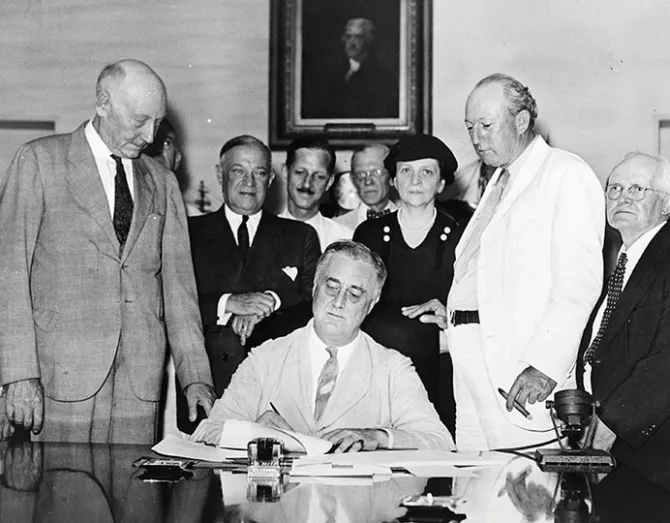
Yet, history offers a glimmer of hope. Just as Hoover’s failures paved the way for Franklin D. Roosevelt’s transformative New Deal, the challenges of today could catalyze a new era of progress. The human cost of these policies underscores the urgency of change, reminding us that hardship often precedes growth. By learning from the past, we can envision a future that prioritizes equity, collaboration, and resilience.
A Path Toward Progress
History has a way of repeating itself, but it also offers invaluable lessons. The struggles of Herbert Hoover’s presidency, marked by economic hardship and isolationist policies, ultimately paved the way for Franklin D. Roosevelt’s transformative New Deal. This era of bold reforms and collective action reshaped the nation, addressing systemic inequalities and fostering a sense of unity and progress.
Today, as the United States navigates the challenges of Trump’s second term, the parallels to Hoover’s era are undeniable. The regressive tariffs, reactionary policies, and divisive rhetoric have created an environment of economic and social strain. Yet, just as the hardships of the Great Depression spurred a movement toward progress, the current moment holds the potential for transformative change.
The key lies in recognizing the patterns of history and using them as a guide. The failures of isolationism and exclusionary policies serve as a reminder of the importance of collaboration, inclusivity, and forward-thinking leadership. By learning from the past, we can chart a path toward a future that prioritizes equity, innovation, and resilience.
This is not just a moment of reckoning—it is an opportunity. Just as the nation emerged stronger from the trials of the 1930s, we have the chance to build a more inclusive and prosperous future. The lessons of history remind us that progress is possible, even in the face of adversity.
The Promise of Progress
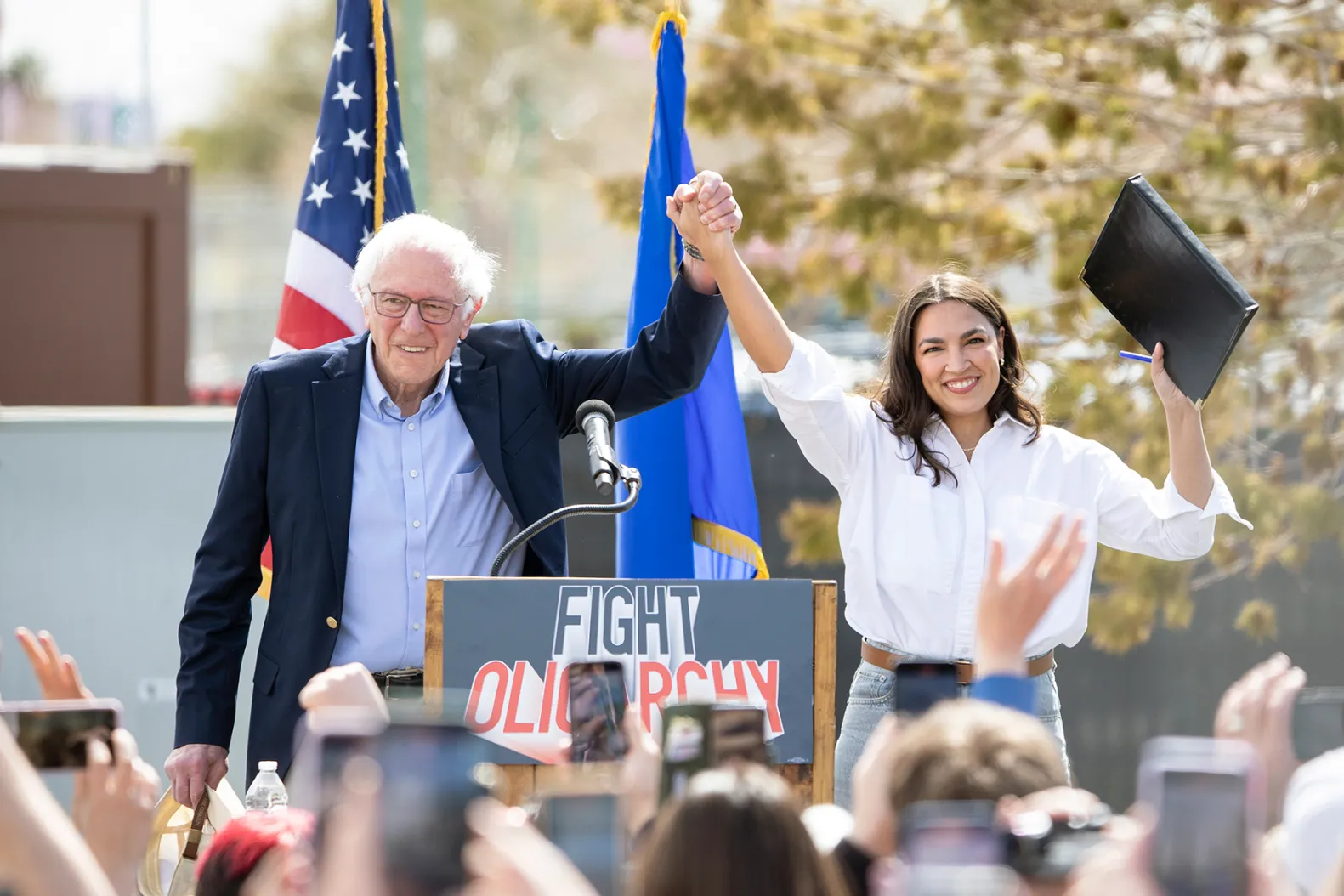
As we reflect on the challenges of Trump’s second term, it becomes clear that the United States stands at a crossroads. The parallels to Herbert Hoover’s presidency remind us that moments of adversity often precede great transformation. Just as the Great Depression laid bare the flaws of isolationism and economic inequality, sparking the New Deal and a new era of progress, the current struggles reveal the urgent need for bold, forward-thinking solutions.
The regressive policies, divisive rhetoric, and isolationist tendencies of today echo the missteps of the past, but they also offer a unique opportunity. History shows us that when the American people come together, inspired by a shared vision of a better future, profound change is possible. The lessons of Roosevelt’s era remind us that adversity can be a powerful catalyst for innovation, equity, and unity.
We may be in a moment of hardship, but it is also a moment of hope. The challenges we face today can inspire a new wave of progress—one that prioritizes inclusivity, collaboration, and resilience. As we navigate these uncertain times, let us remember that history is not just a record of what has been but a guide to what could be. Just as we had to go through Hoover to get to FDR, perhaps we are witnessing the first steps toward a new chapter of transformation and renewal.
Did you enjoy this article? Did you learn something? If so, please like the post and share with your friends.
Want to support independent media? Please subscribe to Pulse Network for FREE!