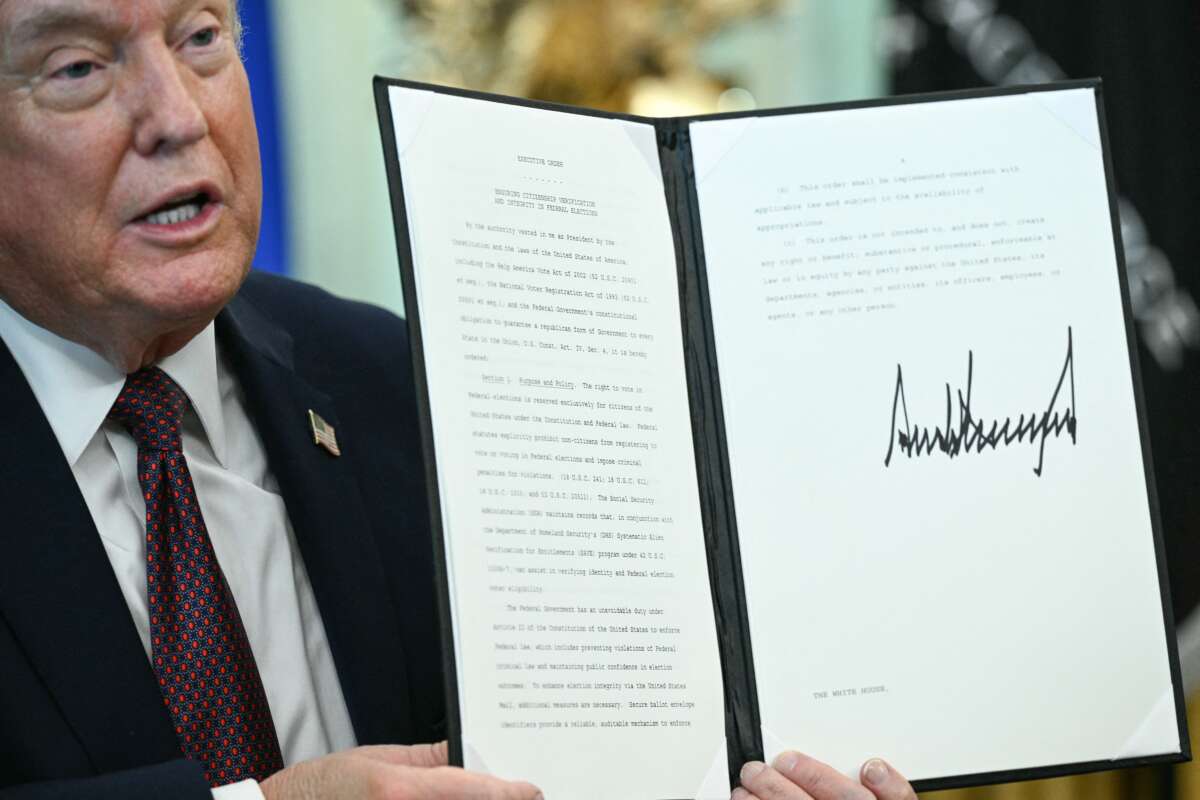
From defiance to dismantling democracy, the Trump administration’s legal losses spotlight a constitutional crisis—and the fight to preserve the rule of law.
If there were a competition for accumulating legal losses, the Trump administration would have taken home the trophy today—perhaps multiple trophies. Rarely does an administration manage to rack up this many court defeats in such a short span of time. It’s as though the judiciary banded together and declared, “Not on our watch.” For an executive branch that often prides itself on bending rules and testing the limits of constitutional norms, today proved to be a sobering counterweight.
From being ordered to reinstate tens of thousands of CDC employees—individuals whose abrupt terminations were ruled procedurally improper—to facing multiple injunctions against executive orders, the administration was caught flat-footed. It’s almost ironic: on a day when the administration might have hoped to celebrate policy victories or dominate headlines with political achievements, it was instead forced to grapple with a legal quagmire that seemed to grow deeper by the hour.

But the hits didn’t stop there. A judge blocked the administration’s attempt to dismantle USAID, citing constitutional violations, and, perhaps most strikingly, the judiciary stepped in to halt the transgender military ban on constitutional grounds. Each ruling was a separate reminder of the limits of executive power and the role of the courts in upholding those limits.
Today’s string of defeats isn’t just bad optics for the administration—it’s a concrete affirmation of the strength of the judiciary in maintaining a system of checks and balances. It underscores the idea that no matter how much power the executive branch wields, it is not above the law. And for an administration that has often tested the boundaries of constitutional authority, today was a stark reminder that those boundaries are enforced for a reason.
It’s worth noting that these rulings aren’t just about political losses; they’re about protecting constitutional principles and individual rights. Whether reinstating government employees, ensuring the integrity of USAID, or safeguarding the rights of transgender Americans to serve their country, today’s judgments reflect the judiciary’s critical role as a guardian of justice and democracy. For all the administration’s attempts to push the envelope, the courts have sent a clear message: the rule of law still stands.
See Related: An Ohio appeals court ruled that the state’s ban on gender-affirming care for transgender minors is unconstitutional.
Today’s ruling against the dismantling of USAID not only highlighted the administration’s overreach but also brought into focus the troubling involvement of Elon Musk and the so-called Department of Government Efficiency (DOGE). The court found their actions to be in clear violation of the Constitution, specifically the Appointments Clause and the separation of powers. Musk, wielding significant authority without any formal appointment, became a symbol of unchecked power, while DOGE—a fictional agency with no legitimate standing—was exposed as a tool for bypassing established protocols.
The judge’s decision was a scathing indictment of these actions, emphasizing the dangers of undermining constitutional safeguards. The ruling serves as a reminder that the Constitution is not a set of guidelines to be bent at will but a framework designed to protect the integrity of governance and the rights of citizens.
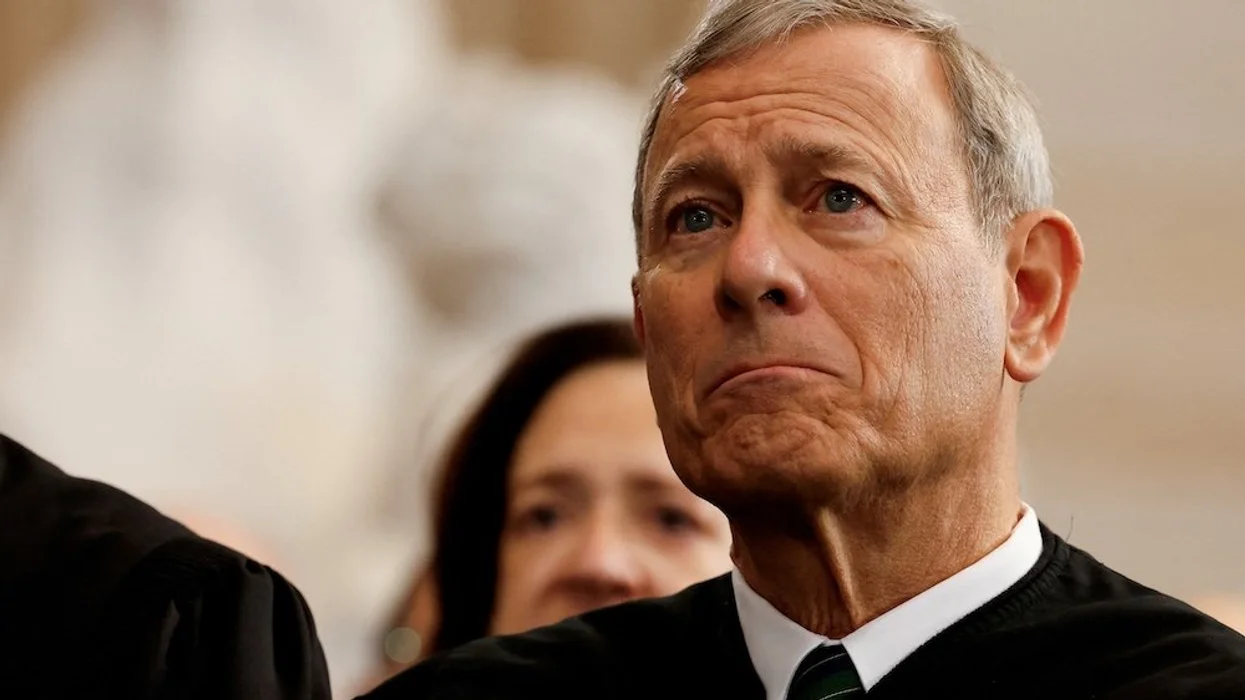
Adding to the gravity of the situation, Chief Justice John Roberts recently issued a public rebuke of President Trump’s suggestion to impeach judges who rule against his administration. Roberts called such rhetoric “an affront to the independence of the judiciary” and warned of the long-term damage it could inflict on the rule of law. His words resonate deeply in the context of today’s rulings, underscoring the judiciary’s role as a bulwark against executive overreach.
If the Department of Government Efficiency (DOGE) sounds like something out of a satirical political drama, that’s because it essentially is. DOGE, despite its lofty name, doesn’t officially exist as a recognized government agency. Yet, its involvement in unconstitutional actions, like the attempted dismantling of USAID, has had tangible consequences. This absurd situation highlights not just the farcical nature of DOGE, but also the alarming lack of oversight within the administration.
The very notion of a non-existent agency wielding such influence is both laughable and deeply unsettling. It suggests a deliberate effort to bypass established channels of governance and concentrate power in an unaccountable entity. It’s as though the administration created a shadow agency to operate in the gray areas of the law, all while hoping no one would notice.

But the judiciary noticed—and acted decisively. By calling out DOGE’s illegitimacy, the courts reaffirmed the importance of adhering to constitutional principles and maintaining checks and balances. Still, the fact that DOGE has been allowed to operate for as long as it has raises serious questions about how such blatant overreach escaped scrutiny.
Chief Justice Roberts’ recent criticism of President Trump’s threats to impeach judges adds another layer to this discussion. Roberts’ remarks serve as a reminder that the judiciary’s role is not to cater to the executive branch but to uphold the Constitution, even in the face of political pressure. His words ring especially true in the context of DOGE, where the courts have stepped in to correct what can only be described as a constitutional farce.
This situation underscores the need for vigilance. While it’s easy to dismiss DOGE as a bizarre anomaly, its existence—and the actions it facilitated—pose a real threat to the rule of law. Without robust oversight and accountability, similar entities could emerge, (like a State Media Agency – under the guise of USAGM) further undermining democratic norms and institutions.
While today’s legal defeats for the Trump administration are significant, perhaps the most alarming trend is its growing defiance of court orders. Over the weekend, the administration ignored rulings that mandated compliance, including orders related to deportation flights and the reinstatement of federal employees at the CDC. This blatant disregard for judicial authority is not just a political issue—it’s a constitutional crisis in the making.
The judiciary is one of the three pillars of American democracy, tasked with interpreting and upholding the Constitution. When the executive branch chooses to defy court orders, it undermines the very foundation of the rule of law. Such actions set a dangerous precedent, suggesting that the administration views itself as above the law—a notion that is fundamentally at odds with democratic principles.
Today’s rulings and the administration’s ongoing defiance of court orders mark a moment of profound danger for American democracy. The judiciary, tasked with interpreting and upholding the Constitution, faces an executive branch that seems increasingly willing to disregard its authority. This isn’t just a political skirmish—it’s a dangerous slide toward authoritarianism.
The parallels to history are chilling. In 1930s Germany, Adolf Hitler’s rise to power was marked by a systematic dismantling of democratic institutions, including the judiciary. By consolidating power and bypassing legal constraints, he transformed a democracy into a totalitarian regime. The actions of the Trump administration since January 20th, 2025, bear unsettling similarities. From invoking a 200-year-old war powers law to deport individuals deemed “criminals” without due process, to threatening judges who rule against it, the administration has shown a willingness to undermine constitutional norms in pursuit of its agenda.
This is why institutions like the U.S. Marshals Service are so vital. Their role is not just about having the authority to enforce court orders—it is their duty. The Marshals have historically stepped in during moments of constitutional crisis, such as enforcing desegregation orders during the Civil Rights Movement. Their actions serve as a reminder that judicial rulings are not merely symbolic; they must be upheld to preserve the rule of law.
Congress, too, has a critical role to play. Through oversight, legislation, and, if necessary, impeachment, it can hold the executive branch accountable for constitutional violations. However, given the current composition of Congress, where many Republican members remain staunch allies of the administration, meaningful action may seem unlikely. This is where political pressure becomes essential. Constituents must demand accountability from their representatives, particularly those in the GOP who have so far shielded the administration from scrutiny. Public outcry, media attention, and grassroots organizing can create the kind of pressure that forces even the most loyal party members to reconsider their stance. History has shown that when political survival is at stake, even the most entrenched partisans can be swayed.
But the preservation of democracy doesn’t rest solely with government institutions. An informed and engaged public is the cornerstone of any democratic society. Citizens must remain vigilant, demand accountability, and support the judiciary as it works to uphold constitutional principles. Democracy thrives on participation, and it is the collective effort of individuals and institutions that safeguards it.
The events of today and the administration’s ongoing defiance are a stark reminder that democracy is fragile. It requires constant vigilance and a collective commitment to the principles that underpin it. The judiciary (so far) has shown it will stand firm against executive overreach, but it is up to ALL OF US to ensure its independence and authority endure. The alternative—a descent into authoritarianism—is a risk we cannot afford to take.
If you enjoyed this article, please subscribe to Pulse Network, and share it with your friends! Thank you for supporting independent media.