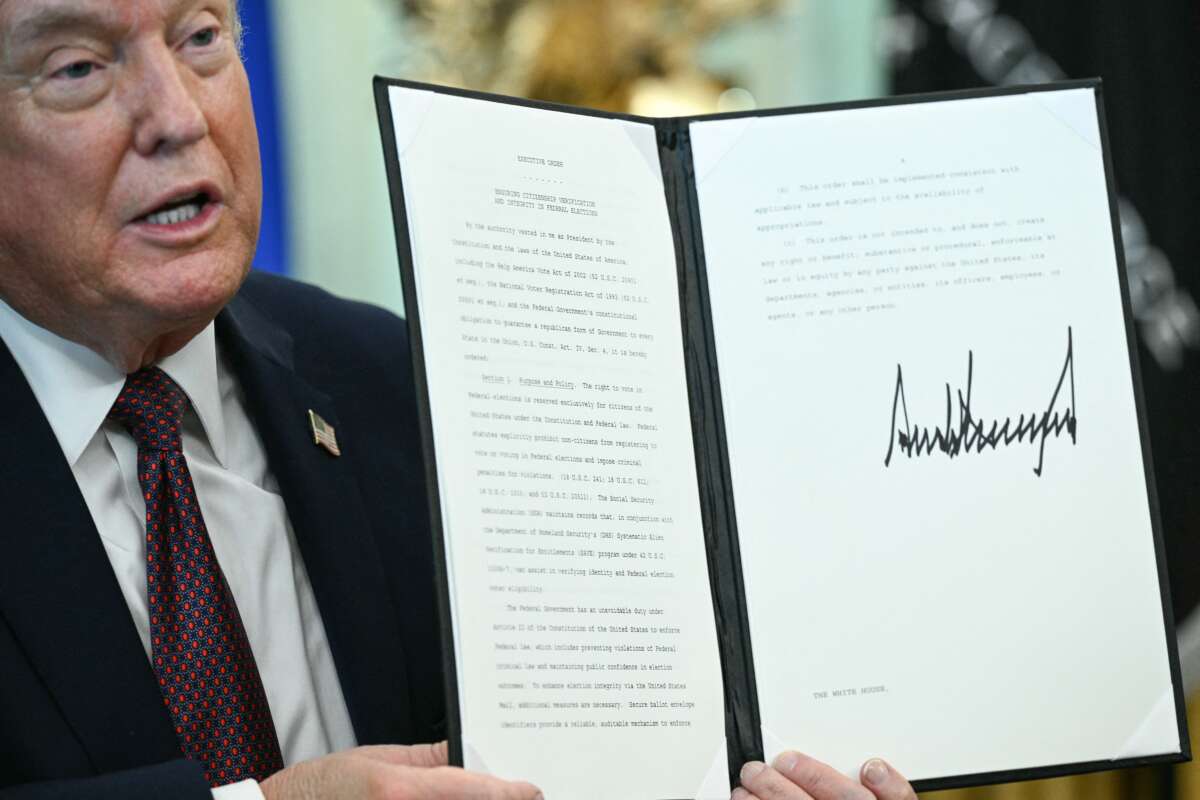
From dismantling independent journalism to building a modern propaganda empire, the administration’s media ambitions blur the line between governance and indoctrination.
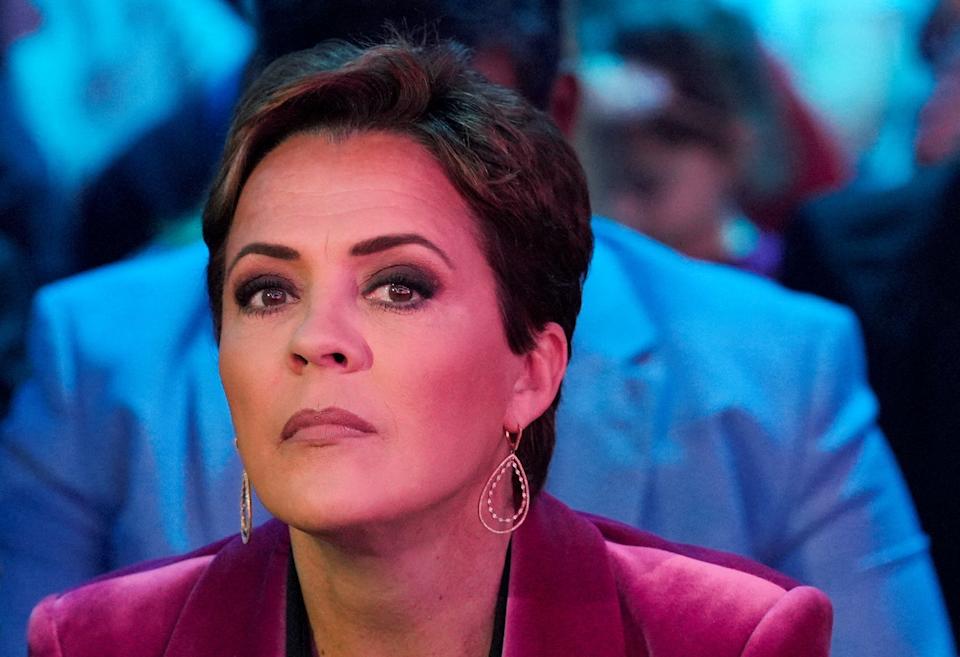
The Trump administration’s recent moves to consolidate media control are not just alarming—they’re a flashing red warning light for the future of American democracy. With plans to expand Truth Social into livestreaming and the appointment of Kari Lake to dismantle independent outlets like Voice of America (VOA), the administration is laying the groundwork for a modern version of state media. This isn’t just about controlling the narrative; it’s about silencing dissent, indoctrinating the public, and creating a propaganda machine that serves the administration’s interests.
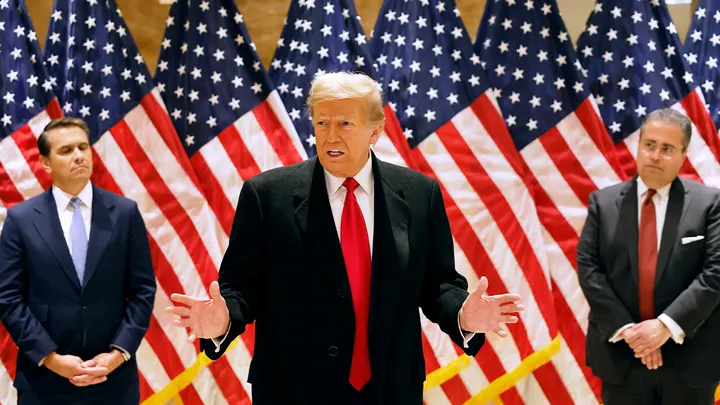
What makes this even more insidious is the veneer of modernity. Unlike traditional state media, which is often overtly funded and controlled by the government, this new model is designed to appear as a private enterprise. By leveraging platforms like Truth Social, the administration can claim plausible deniability while effectively controlling the flow of information. This hybrid approach combines the worst aspects of authoritarian propaganda with the profit-driven motives of corporate media, creating a system that is both financially self-serving and ideologically dangerous.
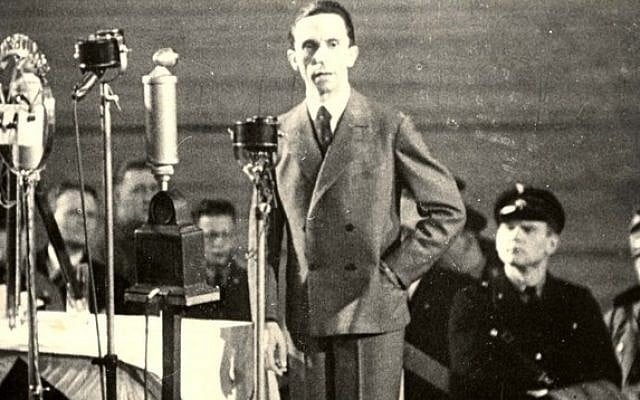
The parallels to Nazi Germany are chilling. Adolf Hitler’s rise to power was marked by a systematic effort to control the media and eliminate independent voices. Joseph Goebbels, Hitler’s propaganda minister, famously said, “Think of the press as a great keyboard on which the government can play.” Trump’s actions echo this sentiment, albeit in a modern context. By attacking legacy media outlets like CNN, MSNBC, and CBS as “fake news” and promoting his own media ventures, Trump is effectively tuning the keyboard to play only his tune.
The Trump administration’s efforts to reshape the media landscape are not happening in a vacuum. They are part of a broader strategy to delegitimize independent journalism and replace it with a media ecosystem that serves the administration’s interests. This is not a new tactic; authoritarian regimes throughout history have sought to control the narrative by silencing dissenting voices and amplifying their own propaganda.
Trump and his allies have consistently attacked legacy media outlets like CNN, MSNBC, NBC, CBS, and ABC, branding them as “fake news” and enemies of the people. These attacks are not just rhetorical; they are part of a calculated effort to erode public trust in independent journalism. By discrediting these outlets, the administration creates a vacuum that can be filled with its own media ventures, such as Truth Social.
Recent actions by the White House further underscore this troubling trend. Reports indicate that the administration has taken unprecedented steps to control which outlets are allowed to cover the president. Cameras have reportedly been removed from the briefing room and even from board meetings at institutions like the Kennedy Center. These actions are a direct assault on press freedom and transparency, hallmarks of a healthy democracy.
What makes this new media ecosystem particularly dangerous is its hybrid nature—a blend of propaganda and profit. Unlike traditional state media, which is overtly funded and controlled by the government, this modern iteration is designed to appear as a private enterprise. Truth Social, for example, is technically a company, but its ownership by Trump and alignment with his administration’s agenda make it functionally indistinguishable from state-controlled media.
This model allows the administration to achieve two goals simultaneously: indoctrinating the public while generating revenue. By creating a platform that amplifies its messaging, the administration can shape public opinion, discredit dissenting voices, and paint itself in the best possible light. At the same time, the platform’s profit-driven structure ensures that it remains financially viable—or at least appears to be.
The Trump administration’s media ambitions are not occurring in isolation—they are part of a broader, deeply troubling pattern of undermining press freedom. Recent actions by the White House have raised serious concerns about transparency and the independence of the press. Reports indicate that the administration has taken unprecedented steps to control media access, including restricting which outlets are allowed to cover the president. Cameras have reportedly been removed from the White House briefing room and even from board meetings at institutions like the Kennedy Center. These actions represent a direct assault on the principles of a free press and government accountability.
This level of control over media access is unprecedented in modern American history. It mirrors tactics used by authoritarian regimes to suppress dissent and control the narrative. By limiting access to critical outlets and favoring those that align with its agenda, the administration is effectively creating an echo chamber that amplifies its messaging while silencing opposing voices.
The implications of these actions are profound. A free and independent press is the cornerstone of any democracy. It serves as a check on government power, holding leaders accountable and ensuring that the public is informed. By undermining press freedom, the Trump administration is not just attacking individual outlets—it is attacking the very foundation of democracy itself.
One of the most alarming aspects of this potential state media ecosystem is the financial angle. Trump Media & Technology Group (TMTG), the parent company of Truth Social, has been plagued by financial troubles. Reports indicate that the company is struggling to stay afloat, with mounting debts and limited revenue streams. This raises serious concerns about whether the administration’s media ventures are or will be quietly subsidized by taxpayer dollars or other government resources.
If the government does indeed intend on propping up TMTG, it represents a dangerous precedent. Using public funds to sustain a propaganda machine not only violates democratic principles but also undermines the independence of the press. It creates a system where the administration can control the narrative while shielding its media ventures from the financial realities that independent outlets must face.
This hybrid model—part propaganda, part profit-driven enterprise—is uniquely suited to the modern era. By presenting itself as a private company, TMTG can avoid the scrutiny that comes with being an overtly state-run outlet. At the same time, its alignment with the administration’s agenda ensures that it functions as a de facto state media platform, amplifying the administration’s messaging while discrediting dissenting voices.
The rise of a modern state media ecosystem under the Trump administration is not just a threat to press freedom—it’s a threat to democracy itself. But this trajectory is not inevitable. There are steps that can be taken to counteract these dangerous developments and preserve the independence of the media.
First, the Federal Communications Commission (FCC) must play a more active role in regulating media ownership and ensuring that no single entity—especially one aligned with the government—can dominate the media landscape. The FCC has the authority to enforce rules that promote diversity and competition in media ownership, and it must use this authority to prevent the consolidation of power in the hands of a single administration.
Second, Congress must act to safeguard press freedom and prevent the misuse of public funds to support propaganda. This could include passing legislation that prohibits the government from financially supporting media ventures that are aligned with the administration’s agenda. Congress also has the power to conduct oversight and hold hearings to investigate whether taxpayer dollars are being used to prop up failing media companies like Trump Media & Technology Group.
Third, public outcry is essential. An informed and engaged citizenry is the best defense against authoritarianism. By staying vigilant, demanding accountability, and supporting independent journalism, citizens can help ensure that the media remains a check on government power rather than a tool of propaganda. Grassroots organizing, petitions, and public demonstrations can all play a role in pressuring the administration and its allies to respect press freedom.
Finally, the media itself must rise to the challenge. Independent outlets must continue to report on these developments and hold the administration accountable, even in the face of attacks and restrictions. Collaboration among media organizations can also help amplify their impact and ensure that the public remains informed.
The stakes could not be higher. The media is often referred to as the “fourth estate” for a reason—it is a cornerstone of democracy, providing the transparency and accountability that are essential to a free society. Allowing the government to control or financially support media ventures aligned with its agenda undermines this principle and sets a dangerous precedent.
The erosion of press freedom and the rise of a modern state media ecosystem are not just abstract threats—they are clear and present dangers to the future of American democracy. It is up to all of us to defend the independence of the media and ensure that it remains a vital check on government power.