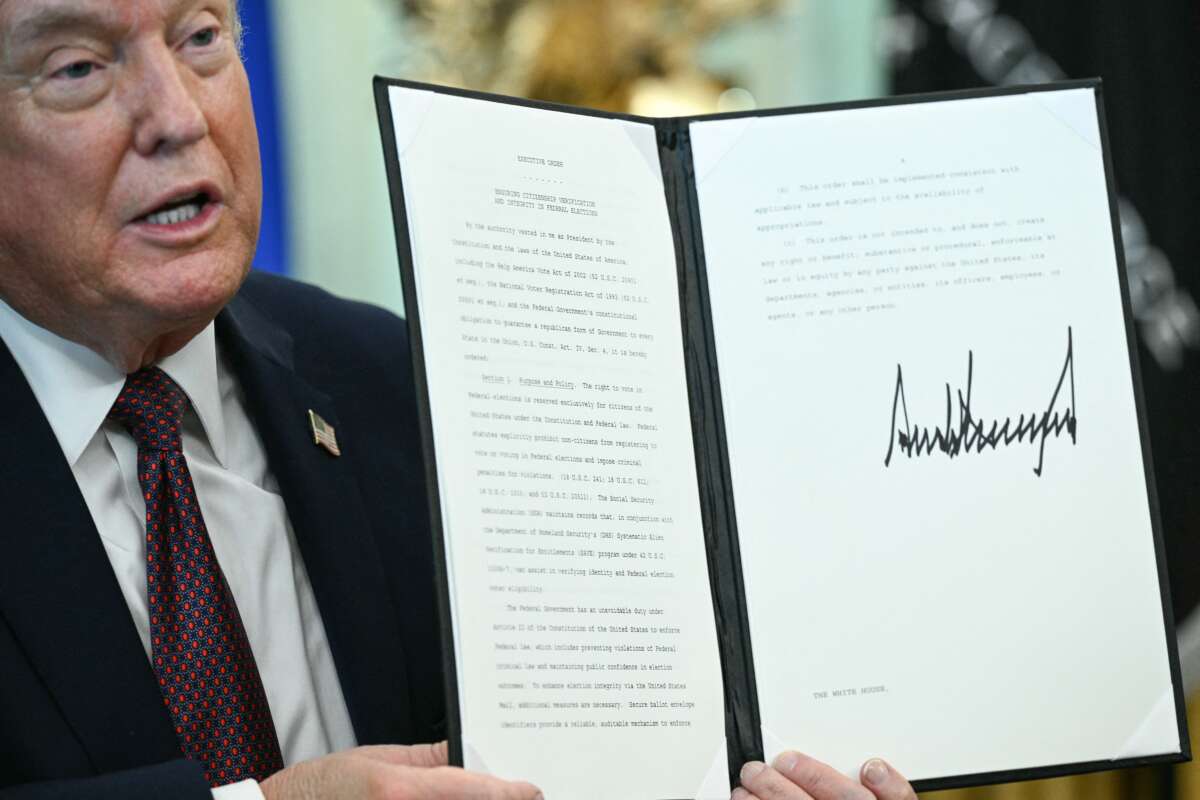
What Every Veteran Needs to Know About These Devastating Layoffs, the Threat to Your Benefits, and How You Can Join the Fight to Protect Our Community.
The Betrayal of Our Veterans: Trump’s VA Layoff Plan
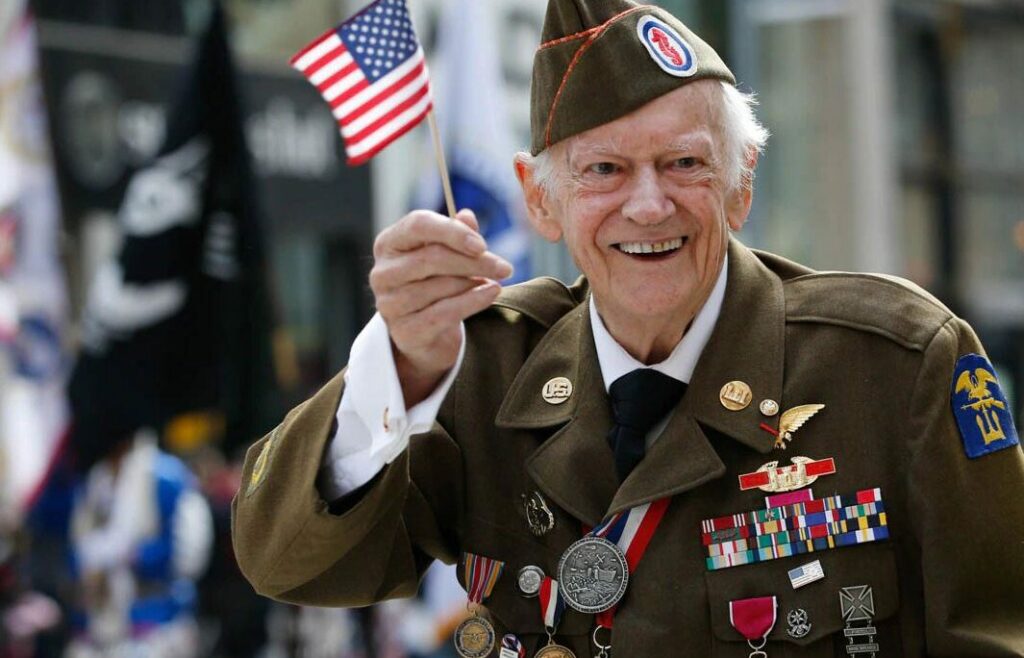
In a shocking display of indifference, the Trump administration has announced plans to eliminate 80,000 jobs from the Department of Veterans Affairs (VA). This isn’t just a bureaucratic shuffle—it’s an outright abandonment of the brave men and women who put their lives on the line for this nation. Veterans, who’ve already given so much, now face a future of crumbling services, endless delays, and a hollowed-out system that will leave countless lives hanging by a thread. And for what? To satisfy some misguided political agenda masquerading as “efficiency.”
But let’s not be fooled—this plan is no more about efficiency than it is about supporting our veterans. Since taking office on January 20th, Trump’s administration has systematically worked to erode federal institutions and undermine programs that protect ordinary Americans. This latest move, led by the so-called Department of Government Efficiency (DOGE), appears to be a calculated effort to weaken the VA to the point of collapse, paving the way for privatization. It’s a textbook strategy: sabotage an institution, decry its failures, and then sell it off to the highest bidder.
Over 25% of the VA workforce are veterans themselves. Cutting these jobs isn’t just reducing staff—it’s stripping away the voices of those who understand, firsthand, the unique struggles that veterans endure. It’s a cold, calculated betrayal, one that will ripple through communities, devastate families, and leave millions of veterans without the care they’ve earned through their service.
The Ripple Effect: How These Layoffs Will Devastate Communities

The VA isn’t just a healthcare provider; it’s a pillar of stability in communities across the nation. Especially in states with large veteran populations, the VA serves as a lifeline—not just for those seeking care but also for the local economies it bolsters. Trump’s plan to slash 80,000 jobs will have devastating consequences far beyond the walls of the VA.
Think of the domino effect: a VA employee loses their job, their family tightens its spending, and local businesses begin to falter. This isn’t just economic theory—it’s the harsh reality. The VA is one of the largest federal employers in the country, and ripping apart its workforce will leave a gaping hole that no amount of corporate efficiency can fill.
But the financial damage is just one part of this catastrophe. Veterans who rely on the VA are already navigating a maze of delays and bureaucratic red tape to get the help they need. Slashing the workforce will only exacerbate these challenges, turning wait times into an agonizing purgatory and making critical care all but inaccessible for many. For veterans grappling with PTSD, chronic pain, or life-threatening conditions, this isn’t just an inconvenience—it’s a matter of survival.
And let’s not forget the employees themselves. Many of them are veterans, too—people who’ve dedicated their lives to service, only to find themselves discarded like yesterday’s news. Their livelihoods, their sense of purpose, their ability to provide for their families—all of it is on the chopping block.
Furthermore, veterans often play a vital role in their local communities beyond the workplace. They volunteer their time mentoring youth, participating in civic organizations, and offering their expertise in leadership roles. These contributions enrich their communities in countless ways, and the cascading impact of these layoffs will inevitably erode that support system, leaving a void that cannot easily be filled.
The Rising Tide of Opposition: Veterans and Advocates Fight Back
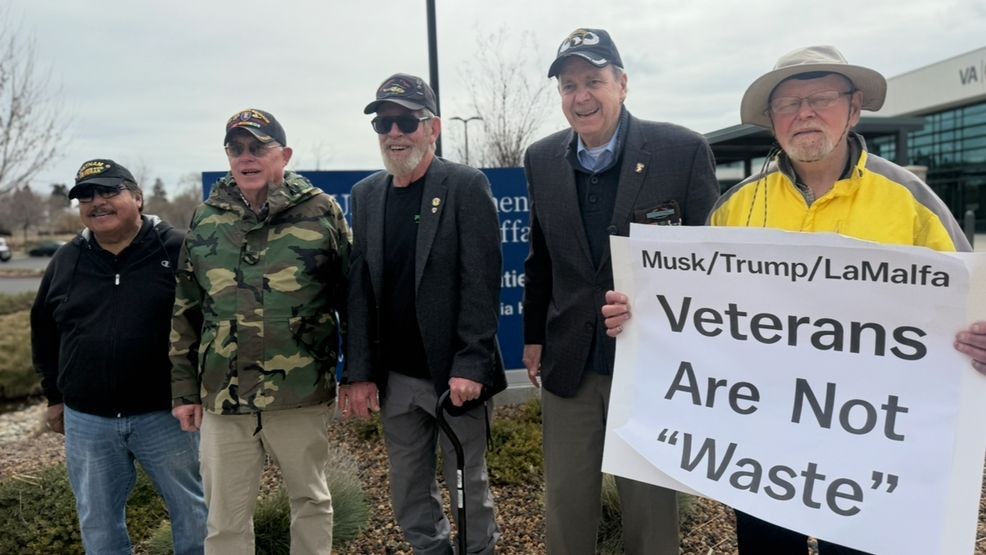
This plan hasn’t gone unchallenged. Across the nation, a growing wave of opposition is mobilizing to defend the VA and the millions of lives it touches. Veterans’ organizations like the Veterans of Foreign Wars (VFW) have been vocal in their condemnation, warning that these cuts will lead to catastrophic delays in care and irreparable harm to those who served.
Lawmakers, too, are raising their voices. Senator Richard Blumenthal has called the plan “an unforgivable betrayal” and vowed to fight it with every tool at his disposal. Even some Republicans, like Representative Tom Barrett, have expressed alarm over the potential fallout, calling for a thorough review of the proposed layoffs.
Perhaps most compelling are the voices of VA employees themselves. These are the people who know the system inside and out—the nurses, doctors, and support staff who work tirelessly to provide care. Many have spoken out anonymously, describing the mood within their facilities as one of fear and despair. One employee put it bluntly: “We’re barely holding it together as it is. These cuts will push us over the edge.”
The Bigger Picture: Dismantling the VA and Endangering the Future
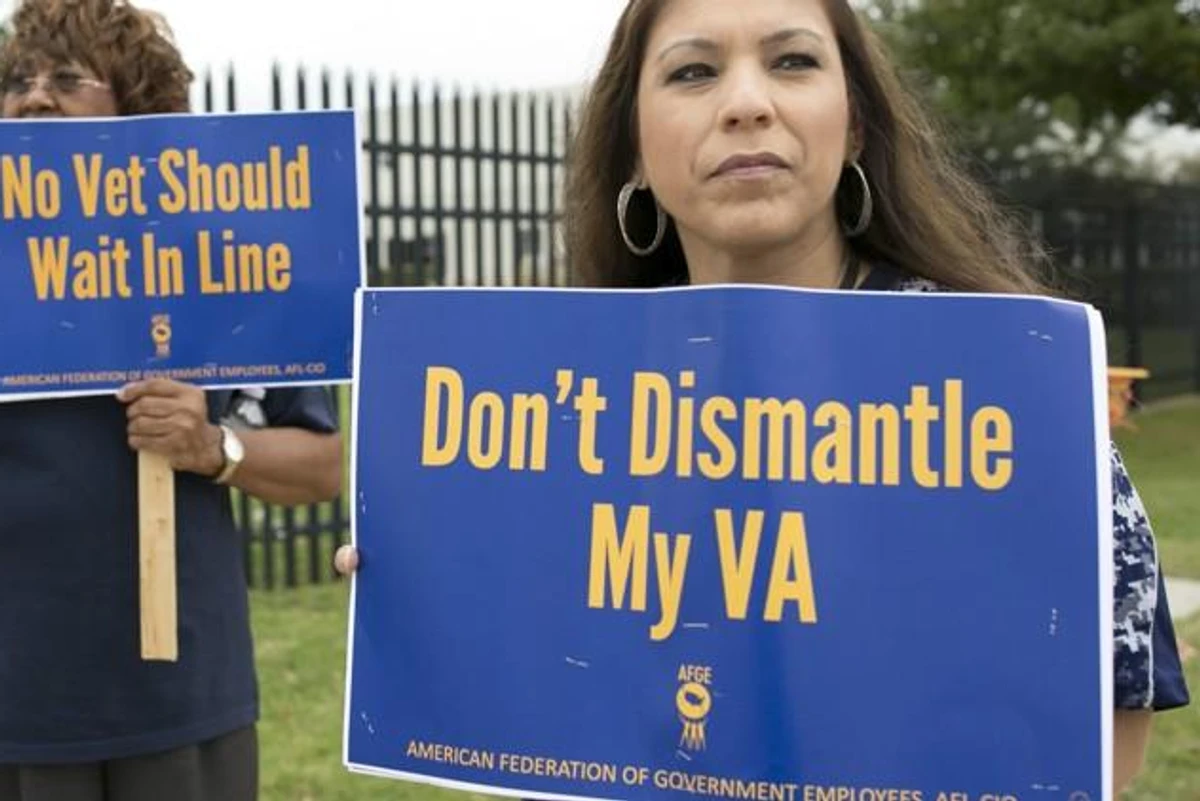
Trump’s layoff plan isn’t just a one-off policy decision—it’s part of a larger strategy to erode public trust in federal institutions. By gutting the VA, the administration is setting the stage for privatization, opening the door for corporate interests to swoop in and profit off the needs of our veterans. It’s a cynical, calculated move, and it endangers not just the VA but every public program that serves the American people.
Let’s break down what privatization would look like and the dangers it poses. In theory, privatization involves transferring responsibilities from the public to the private sector. For the VA, that would mean outsourcing vital healthcare services to private companies or shifting veterans to the general healthcare market. At first glance, this might sound like a way to cut through bureaucracy and increase efficiency. But the reality is far bleaker.
Privatization prioritizes profit over people. The VA exists to serve veterans, regardless of how complex or costly their needs may be. A private, for-profit system has no such obligation. Healthcare companies would cherry-pick the easiest, most profitable cases while leaving veterans with more severe or specialized needs to fend for themselves. Conditions like PTSD, traumatic brain injuries, and chronic illnesses linked to military service aren’t exactly “high-margin” business opportunities, meaning these individuals would likely face limited care or outright rejection.
Moreover, veterans would lose the comprehensive, coordinated care they currently receive through the VA. The VA isn’t just a collection of healthcare providers—it’s a fully integrated system designed specifically for veterans. Privatization would fragment this system, forcing veterans to navigate a patchwork of private providers who may not understand the unique challenges of military service. The continuity of care that is critical for managing chronic conditions and mental health would be shattered.
The financial implications are equally disastrous. Many veterans rely on the VA because it provides affordable healthcare tailored to their needs. Privatizing these services would shift the burden onto veterans themselves, potentially saddling them with out-of-pocket costs they can’t afford. For those already living on fixed incomes or disability benefits, this could mean choosing between medical care and basic necessities.
Privatization would also widen the inequalities within the veteran community. Those with the means to pay for private healthcare might manage, but lower-income veterans—the ones who need the VA the most—would be left behind. This isn’t just a hypothetical scenario; it’s a proven outcome. We’ve seen similar trends in other sectors where privatization has led to reduced access and quality for the most vulnerable populations.
The VA stands as a symbol of our nation’s commitment to its defenders, a promise that those who serve will not be forgotten. To dismantle it is to betray that promise—and to betray the very values we claim to hold dear. Privatization isn’t progress; it’s a step backward that endangers the lives of millions of veterans and undermines the principles of service, care, and equity.
DOGE’s Deception: Lies About Fraud and the Real Culprits

The Department of Government Efficiency (DOGE) has been aggressively pushing a narrative of rampant fraud within the VA, suggesting that employees are involved in dishonestly processing claims. This claim is nothing more than a smokescreen, designed to shift public perception and justify their draconian measures. The idea of widespread corruption within the VA workforce is not only unfounded—it’s downright insulting to the thousands of dedicated professionals who work tirelessly to serve veterans.
Let’s look at the facts. The majority of fraudulent activities targeting veterans come from external bad actors, not from within the VA itself. This includes identity theft, phishing scams, and payment redirection schemes—tactics designed to exploit veterans’ personal information. The VA has taken steps to address these issues, launching initiatives to protect veterans from these external threats.
One of the most significant threats comes from “claims predators,” unscrupulous third-party actors who prey on veterans seeking assistance with their benefits. These predators promise expedited claims processing or higher disability ratings in exchange for exorbitant fees, often using aggressive and misleading tactics to lure in vulnerable veterans. They exploit veterans who are already desperate for help, leaving them worse off and draining resources from the system.
DOGE’s narrative about widespread internal fraud falls apart when examined closely. Their supposed “evidence” of billions in fraudulent claims has been riddled with inconsistencies, including exaggerated figures and irrelevant examples. This isn’t fraud detection—it’s a calculated effort to smear the VA and demoralize its workforce.
By focusing on these misleading assertions, DOGE is diverting attention from real problems and failing to address the true sources of fraud. This narrative is a convenient distraction from their real agenda: dismantling the VA and eroding public trust in its services.
A Call to Action: Defending the VA and Our Veterans

This is where we draw the line. The Trump administration’s plan to lay off 80,000 VA employees isn’t just a policy misstep—it’s a moral crisis. It’s a betrayal of the promises we’ve made to our veterans, a dismantling of a system that millions depend on, and a chilling glimpse into a future where profit trumps people. But we don’t have to stand by and let it happen.
“They’re going to put guys like me and my fellow Marines that rely on the VA in the ground,” said Bafundo, 53, who lives in Tonasket, Washington told the Associated Press.
The Trump administration’s decision to terminate hundreds of VA contracts—briefly halted following public backlash—along with the continued wave of layoffs, is having a profound impact on the nation’s veterans. This group, both vital and influential, relies heavily on the VA, which provides essential physical and mental health services to over 9 million individuals. Now, the agency finds itself under scrutiny by Elon Musk’s Department of Government Efficiency, raising concerns about its future.
The first step is awareness. Share this story far and wide. Talk to your friends, your family, your neighbors. Make sure people understand what’s at stake—not just for veterans, but for all of us. The VA is a symbol of what government can and should be: a force for good, a safety net for those who’ve given everything for their country. If we let it fall, we lose more than just an agency. We lose a piece of who we are.
Next, take action. Write to your representatives. Call their offices. Demand that they stand up for veterans and oppose this disastrous plan. Join protests, sign petitions, and lend your voice to the growing chorus of opposition. Every call, every email, every signature matters. Together, we can send a message that this isn’t just bad policy—it’s unacceptable.
And finally, remember that this fight isn’t just about the VA. It’s about the kind of country we want to be. Do we want a government that serves its people, or one that abandons them in their time of need? Do we (citizens) want to honor our veterans, or turn our backs on them? Do Veterans honor their brothers and sisters, or abandon them? The choice is yours, and the time to act is now.
This is our moment to stand up, to speak out, and to fight for what’s right. Because if we don’t, who will?
Ready to Fight Back? How Veterans Can Get Involved and Fight Back
Veterans, your voice matters now more than ever. If you’re ready to take a stand against the proposed VA layoffs and protect the services you and your fellow veterans rely on, here are some actionable steps and resources to help you get involved:
Join Advocacy Groups: Organizations like the Veterans of Foreign Wars (VFW), the American Legion, and Iraq and Afghanistan Veterans of America (IAVA) are actively fighting to protect the VA. By joining these groups, you can amplify your voice and connect with others who share your concerns.
Contact Your Representatives: Reach out to your local, state, and federal representatives to express your opposition to the layoffs. Share your personal story and explain how these cuts would impact you and your community. You can find your representatives and their contact information here.
Participate in Community Engagement: The VA’s VetResources Community Network (VRCN) is a great way to get involved in local outreach efforts. This network connects veterans with community partners, non-profits, and advocacy groups to maximize collective impact. Learn more about the VRCN here.
Utilize the Veterans Community Support Program: This program offers one-on-one support to veterans and their families, helping them navigate challenges and connect with resources. It’s a comprehensive way to address your needs while staying informed and engaged. Get started here.
Access Legal and Advocacy Resources: The National Veterans Foundation provides a wide range of resources, including legal assistance, housing support, and benefits guidance. They also offer crisis support for veterans in need. Explore their resources here.
Spread the Word: Share information about the layoffs and their potential impact on social media, in community meetings, and with friends and family. The more people who understand what’s at stake, the stronger the opposition will be.
Attend Protests and Rallies: Keep an eye out for local or national events organized by veterans’ groups and advocacy organizations. Showing up in person sends a powerful message to policymakers.
Sign Petitions: Many advocacy groups are circulating petitions to stop the layoffs. Adding your name is a quick and effective way to show your support.
Remember, this fight isn’t just about protecting the VA—it’s about standing up for the values of service, care, and community that define the veteran experience. Together, we can make a difference.