How the Trump Administration’s Policies Threaten Wildlife, Ecosystems, and the Future of Our Nation’s Public Treasures.
Imagine a future where the breathtaking vistas of Yellowstone are marred by oil rigs, where the serene forests of the Great Smoky Mountains echo with the roar of chainsaws, and where the delicate ecosystems of the Everglades are poisoned by unchecked industrial runoff. This is not a dystopian fantasy—it is the grim reality we could face if the systematic dismantling of the National Park Service and the exploitation of public lands continue unchecked. The Trump administration’s actions, if left unchallenged, could lead to the irreversible loss of some of America’s most cherished natural treasures. This is not just an environmental issue; it is a moral, cultural, and economic crisis that demands our immediate attention.
The dismantling of the National Park Service (NPS) is not just a hypothetical concern—it’s a reality unfolding before our eyes. Under the Trump administration, the NPS has faced severe budget cuts, widespread layoffs, and the closure of critical facilities. Visitor centers, law enforcement offices, and even archaeological storage facilities housing millions of artifacts have been shuttered or slated for termination. These closures strip the NPS of its ability to maintain parks, protect wildlife, and provide essential services to the public. The loss of staff—scientists, superintendents, rangers, and emergency responders—has left the remaining workforce stretched dangerously thin, compromising their ability to uphold the mission of the NPS. This systematic erosion of resources and infrastructure is dismantling the NPS “ranger by ranger and brick by brick.”
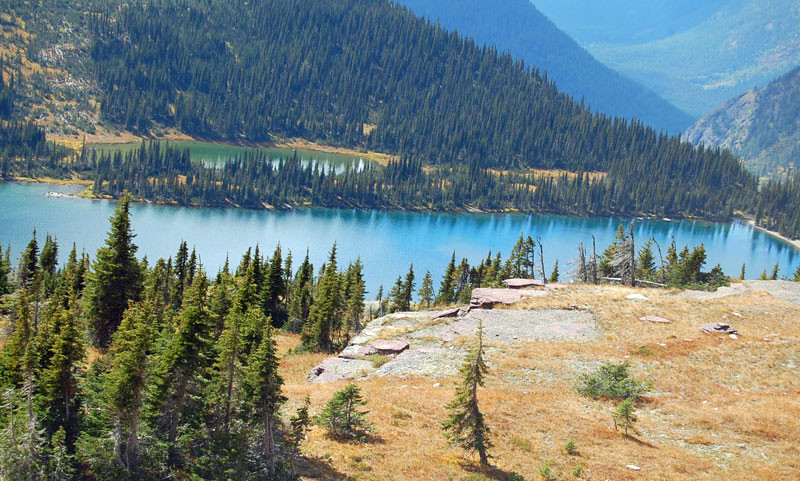
The loss of our public lands would have profound economic repercussions, reverberating through multiple sectors of our economy. National parks and public lands are economic powerhouses, contributing billions of dollars annually through tourism, outdoor recreation, and related industries. Beyond their scenic value, these lands support robust local economies by attracting millions of visitors who spend money on lodging, dining, transportation, and recreational activities. Entire communities thrive on this steady influx of tourism dollars, creating a ripple effect that benefits small businesses, regional economies, and even state tax revenues.
These areas provide jobs for thousands of people across a wide spectrum, from park rangers and conservationists to hospitality workers, tour guides, and local business owners who depend on visitor traffic. The interconnected network of industries supported by public lands represents a sustainable and long-term economic model that far outweighs the short-term profits generated by activities like logging, drilling, or fracking. These exploitative industries may bring temporary wealth to a select few, but they leave behind environmental destruction that hinders the land’s ability to generate economic value in the future.
The damage inflicted on these lands would have a generational cost. Once degraded, natural treasures like these cannot be easily restored, if at all. Scarred landscapes, polluted waterways, and eroded ecosystems deter tourists and investors alike, draining the lifeblood of local economies. The real economic loss is not just in dollars and cents—it is in the missed opportunities for sustainable growth, the loss of cultural and natural heritage, and the diminished quality of life for communities that depend on these lands. The true cost of exploiting public lands is a debt that will be paid not by corporations, but by ordinary Americans and future generations.
The environmental consequences of exploiting public lands are catastrophic, creating a ripple effect of destruction that extends far beyond the targeted areas. Drilling and fracking activities release hazardous chemicals into the soil, rendering it toxic and incapable of supporting plant life for generations. This soil degradation disrupts the delicate balance of ecosystems, leading to the collapse of habitats that countless species rely on for survival. The scars left by these practices are not just physical—they mark the long-term devastation of landscapes that will take decades, if not centuries, to rehabilitate, if recovery is even possible.
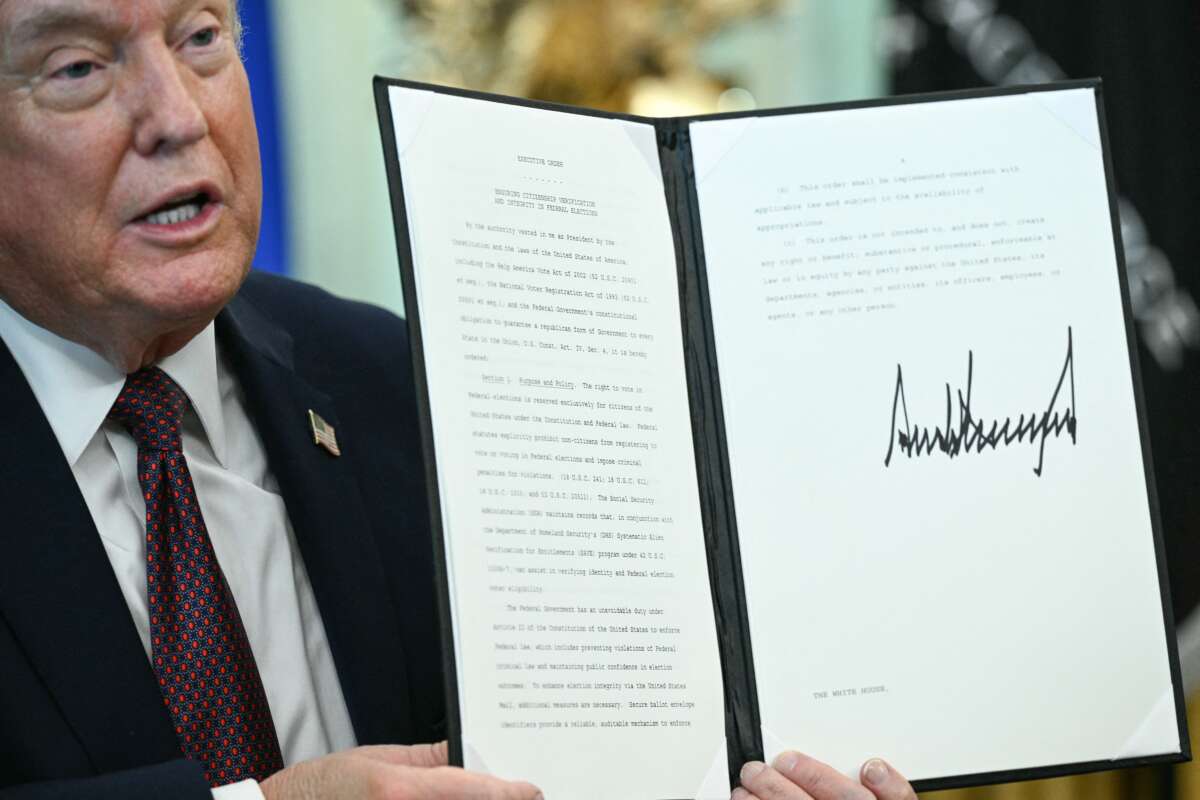
Trump’s recent executive orders to expand logging, drilling, and fracking on public lands represent an unprecedented assault on America’s natural heritage. These orders prioritize industrial exploitation over conservation, directing federal agencies to bypass critical environmental safeguards and fast-track projects that will irreparably harm ecosystems. By opening millions of acres of national forests and other public lands to industrial activity, these policies threaten to destroy habitats for endangered species, pollute water supplies, and accelerate climate change. The orders also undermine the Endangered Species Act by streamlining consultations, effectively sidelining protections for vulnerable wildlife like grizzly bears, spotted owls, and wild salmon.
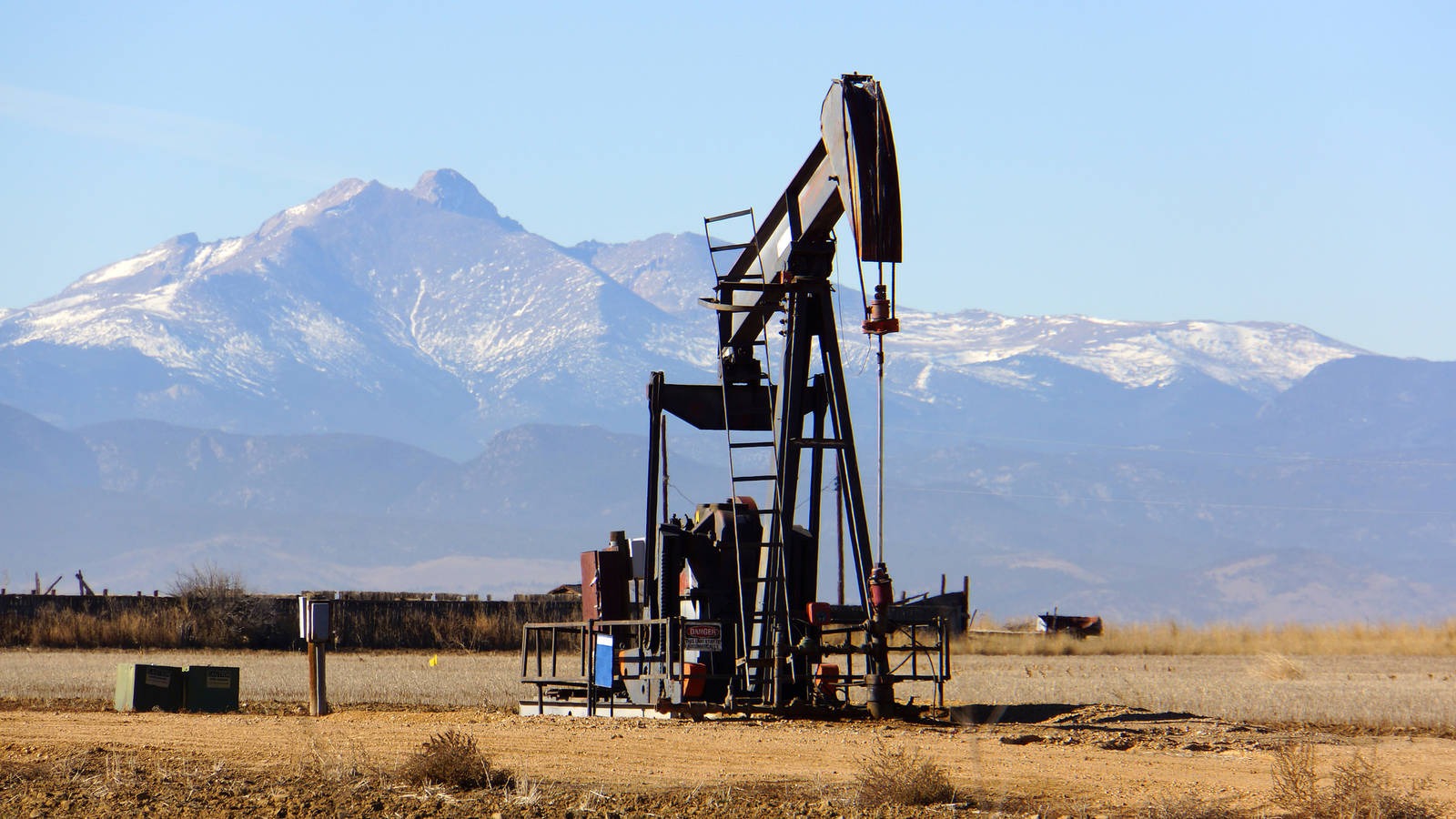
The justification for these actions—boosting domestic production of timber, oil, and gas—ignores the long-term costs to the environment, public health, and local economies. Logging older, fire-resistant trees under the guise of wildfire prevention increases fire risks rather than mitigating them, while drilling and fracking release toxic chemicals into the soil and water. These activities not only degrade the land but also jeopardize the livelihoods of communities that depend on clean water, sustainable agriculture, and outdoor recreation. The short-term profits gained by a few corporations come at the expense of the public good, leaving taxpayers to bear the burden of environmental cleanup and economic recovery.
Perhaps most troubling is the broader message these orders send: that public lands are no longer held in trust for the American people but are instead commodities to be exploited for private gain. This shift undermines the very principles of stewardship and shared responsibility that have defined the management of public lands for over a century. If these policies are allowed to proceed unchecked, they will leave a legacy of environmental destruction and economic instability that future generations will be forced to confront.
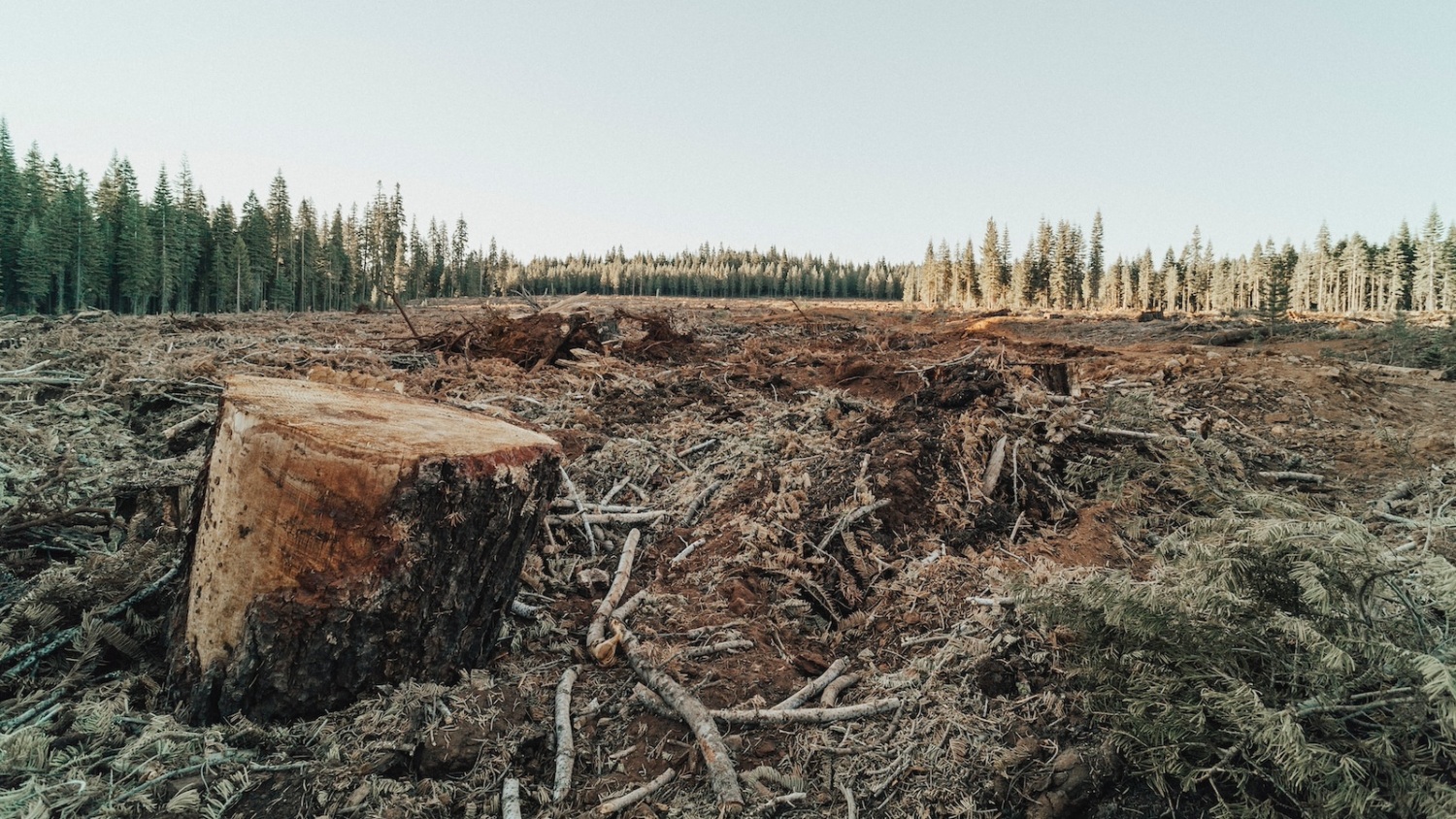
Logging, often justified as an economic necessity, wreaks havoc on the natural water cycle. Without tree cover to regulate moisture levels and prevent erosion, soil is stripped away by rainfall, carrying sediments into rivers and lakes. This sedimentation degrades water quality, harming aquatic ecosystems and reducing the availability of clean water for downstream communities. Additionally, the removal of trees eliminates one of nature’s most effective carbon sinks, accelerating climate change and compounding the environmental damage.
Pollutants from industrial activities further exacerbate the crisis. Chemicals used in fracking, as well as waste runoff from logging and drilling operations, often find their way into water supplies. This contamination affects not only wildlife but also human communities that depend on these water sources for drinking, irrigation, and recreation. Poisoned waterways lead to the collapse of aquatic ecosystems, disrupting food chains and endangering species that depend on them. The damage ripples outward, affecting agriculture, fisheries, and even public health.
These cascading effects extend well beyond the borders of public lands. By disrupting ecosystems, polluting water supplies, and accelerating climate change, the exploitation of these lands undermines the broader environmental systems that support all life. These public lands act as natural buffers, absorbing environmental shocks and regulating essential processes like water filtration and climate stabilization. Their degradation diminishes these critical functions, leaving surrounding communities and ecosystems more vulnerable to environmental disasters and economic instability. The stakes could not be higher—the destruction of public lands threatens the very foundation of ecological and human resilience.
The degradation of public lands would deliver a crippling blow to agriculture, undermining one of the most fundamental pillars of human survival: the ability to grow food. Healthy ecosystems and responsibly managed public lands are vital for maintaining soil quality, controlling erosion, and ensuring a steady supply of clean water. These lands act as natural safeguards, replenishing the nutrients in the soil that crops rely on, maintaining moisture levels, and preventing the spread of desertification. Logging and drilling disrupt this delicate balance, stripping the land of its fertility and leaving behind soil that is barren, compacted, and unable to sustain agriculture for years, or even decades.
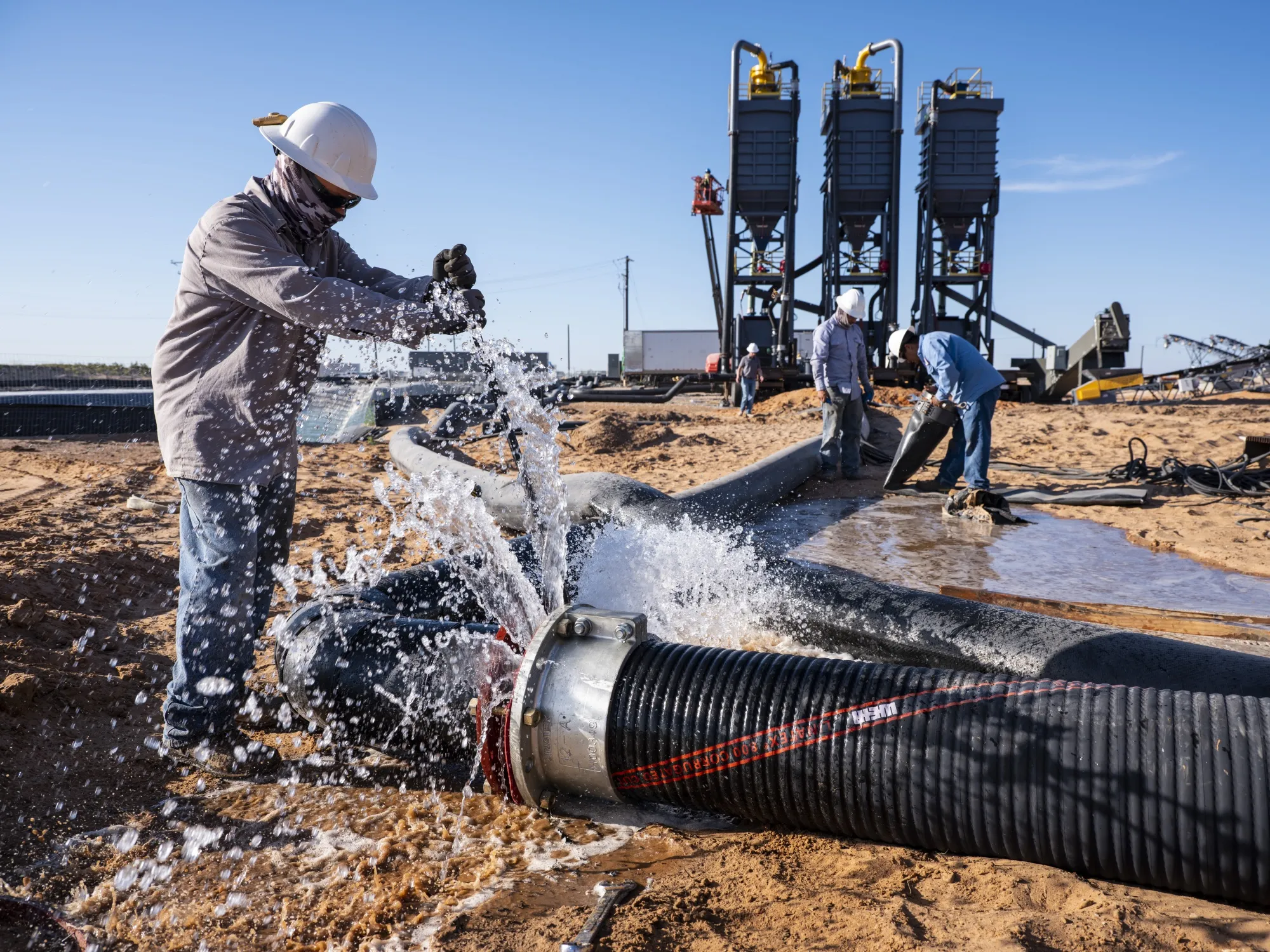
Water availability, another cornerstone of agriculture, is particularly vulnerable to industrial exploitation of public lands. Fracking chemicals, oil spills, and runoff from mining operations can seep into rivers, streams, and underground aquifers, contaminating vital water sources. Irrigation supplies poisoned with toxins harm not just crops but also livestock, which in turn threatens the food supply chain and the livelihoods of farmers. The damage caused by such contamination can ripple outward, affecting neighboring agricultural regions that depend on shared water systems and creating long-term financial and environmental instability.
Without the natural protections provided by healthy ecosystems, farming becomes an uphill battle against climate extremes and unpredictable weather patterns. Well-managed public lands act as buffers, mitigating the impact of droughts, floods, and heatwaves on agricultural production. Removing these buffers exposes farmland to increased erosion, reduces crop yields, and raises the cost of farming operations as producers are forced to compensate for the loss of natural ecosystem services. This increased vulnerability, combined with poisoned land and water supplies, threatens to push many small and mid-sized farms to the brink of collapse, leaving the agricultural industry struggling to meet growing demands in the face of shrinking resources.
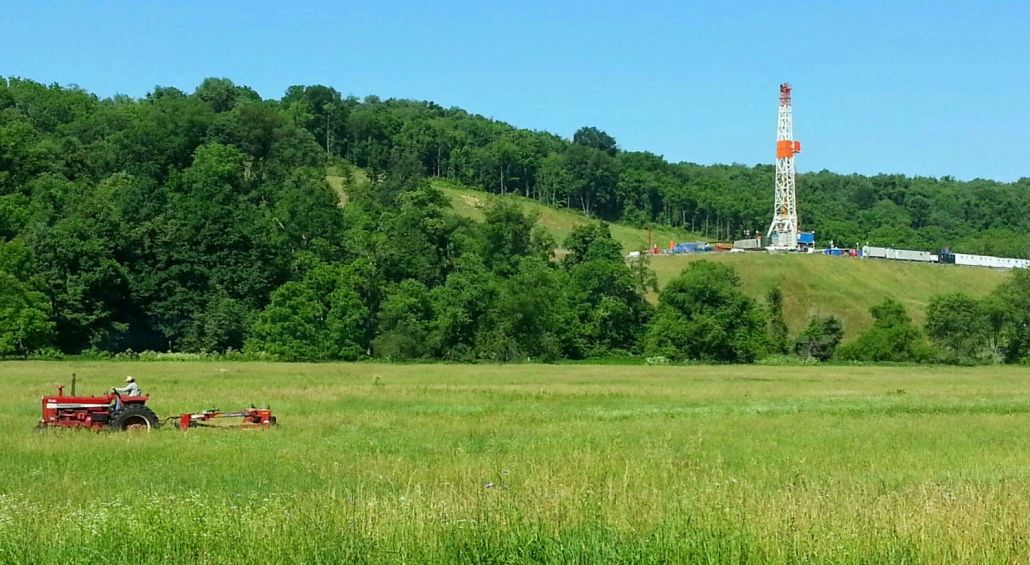
The assault on public lands is an assault on the very foundation of agriculture. The relationship between healthy ecosystems and farming is not a luxury—it’s a necessity. Degrading these lands for short-term industrial profit gambles recklessly with the long-term stability of food production, economic security, and environmental health. The stakes for farmers, consumers, and the nation as a whole could not be higher.
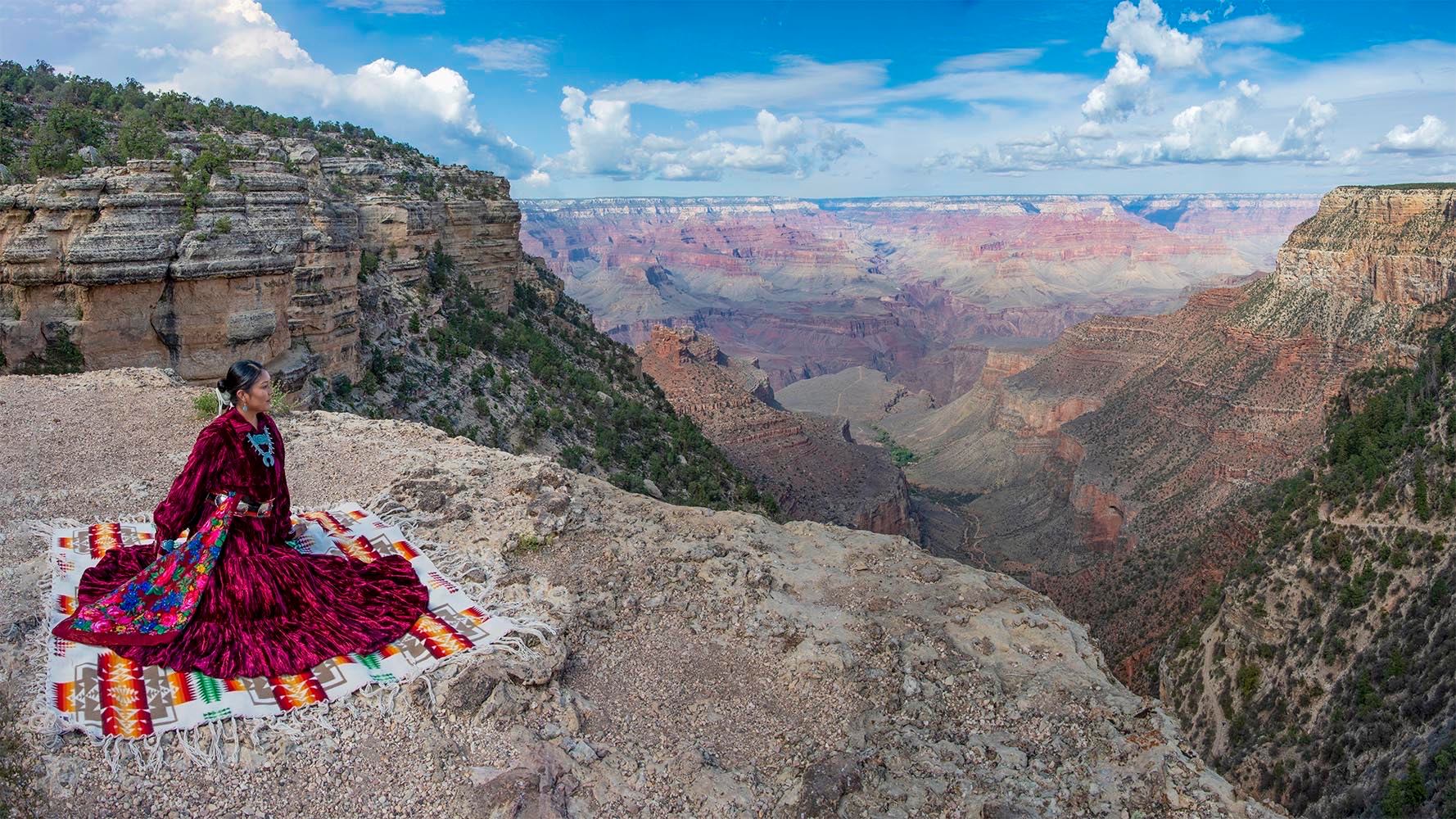
The cultural and spiritual loss of our public lands is immeasurable. These spaces are woven into the fabric of America’s identity, serving as sanctuaries for reflection, recreation, and connection with nature. They’ve inspired generations of writers, artists, and dreamers, and they hold deep significance for Indigenous communities whose histories and cultures are tied to these lands. If public lands are degraded for short-term industrial gains, we risk losing a vital part of our heritage—something that cannot be bought back or rebuilt once it’s gone.
The loss of our public lands would accelerate climate change in devastating ways. These lands serve as critical carbon sinks, with forests, grasslands, and wetlands absorbing massive amounts of carbon dioxide and helping to regulate the planet’s temperature. Logging and drilling release stored carbon back into the atmosphere, while the destruction of ecosystems reduces our capacity to mitigate future emissions. The ripple effects include more frequent and severe weather events, rising sea levels, and disruptions to agriculture and water supplies. The impact would be felt not only by the environment but by every community relying on a stable climate.
Perhaps the most alarming consequence of losing our public lands is the devastating toll it would take on future generations—a loss that cannot be quantified or undone. These lands serve as irreplaceable classrooms, teaching lessons about biodiversity, geology, and history in ways no textbook or screen could ever replicate. They are the living embodiment of countless stories, scientific wonders, and cultural milestones that have shaped not just our understanding of the world but our identity as a nation. Degrading or exploiting these lands is not just an environmental assault; it’s an educational tragedy, stripping away opportunities for children and grandchildren to connect with the natural world, ignite their imaginations, and deepen their respect for conservation.
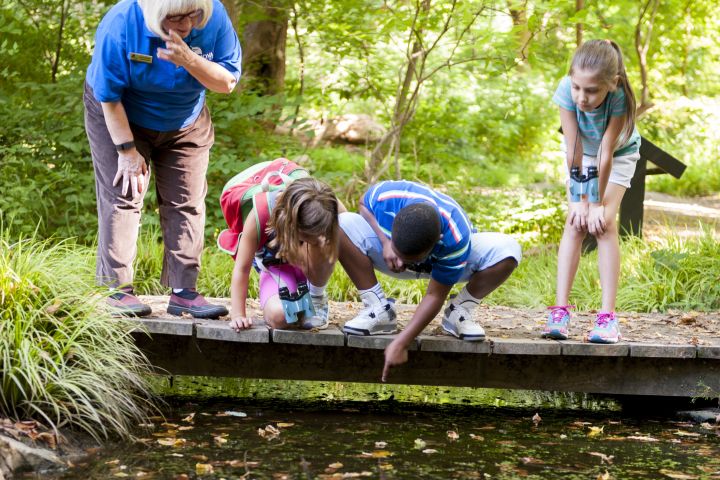
Beyond education, the disappearance of public lands would sever a profound emotional and spiritual connection for future generations. These spaces are more than resources; they are sanctuaries, places where young people can experience the wonder of a star-filled sky unmarred by city lights or the awe of watching wildlife in its natural habitat. Without these experiences, we risk raising a generation alienated from nature, unable to fully appreciate the intricate balance of the ecosystems that sustain us. The absence of this connection would erode a critical sense of stewardship, making it less likely that future leaders and citizens will fight to protect what remains.
Even more troubling is the legacy we risk leaving behind. By allowing public lands to be exploited and destroyed for short-term industrial gains, we would saddle future generations with the burden of environmental destruction and economic instability. Polluted water systems, eroded landscapes, and the loss of natural carbon sinks will exacerbate the challenges of climate change and resource scarcity, leaving those who come after us to grapple with problems we chose to ignore. Instead of a heritage of stewardship and preservation, we would pass down the scars of our own shortsightedness—a legacy unworthy of the ideals we claim to uphold.
The erosion of public lands is not merely an environmental issue; it is a direct assault on the principles of democracy and collective responsibility. These lands belong to every citizen, held in trust by the government to ensure their preservation for generations. Opening them to exploitation caters to corporate interests at the expense of the public good, undermining the very concept of shared resources. This shift not only marginalizes local communities but also strips away opportunities for millions to access nature, find solace in its beauty, and participate in activities that enrich their lives.
The fight to protect our public lands is far from over, and this is a cause that transcends political divides—it is a battle that concerns every American who values freedom, prosperity, and the legacy we leave behind. These lands embody our shared heritage, offering not only breathtaking beauty but also tangible benefits for our economy, security, and well-being. Whether you’re a farmer relying on clean water and fertile soil, a small business owner benefitting from outdoor tourism, or a parent teaching your children about hard work and self-reliance, public lands are vital to the success and stability of our nation.
This is not about partisan politics; it’s about holding decision-makers accountable for protecting resources that belong to all of us—not special interests. Sacrificing these lands for short-term gains undermines the very principles of stewardship and responsibility that have made this country great. The public lands we save today will strengthen our economy, secure our food supply, and preserve our freedoms for generations. The loss of these lands wouldn’t just harm wildlife or the environment—it would weaken the foundation of the independent, resilient spirit that defines America.
It’s time for citizens to stay informed, speak out, and demand policies that prioritize long-term prosperity over narrow, short-lived profits. This is a call to action, not for one party, but for the people—because protecting our public lands is not just an environmental issue, it’s a patriotic duty. Together, we can ensure that the legacy of these lands endures, standing as a testament to the strength and resolve of the American people.